
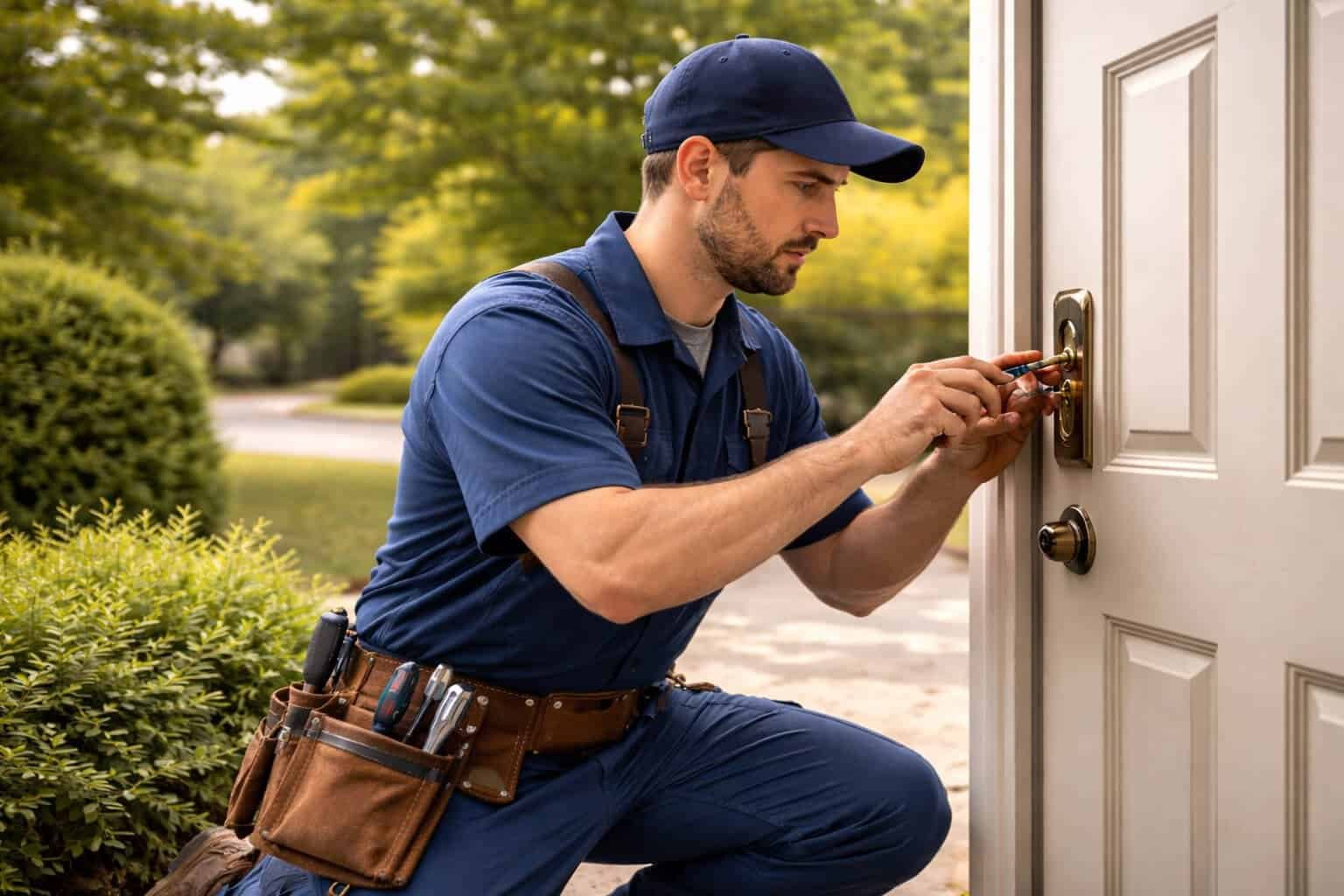
More than 10,000 Britons face unexpected home lockouts each year, creating real frustration and sometimes even safety concerns. Whether the lockout happens at night, during harsh weather, or in a remote area, quick thinking and the right steps protect your well-being. Knowing exactly how to stay safe, contact a trusted British locksmith, and prevent future incidents means you can handle lockouts with confidence and avoid added stress.
Table of Contents
- Step 1: Assess The Lockout Situation And Safety Risks
- Step 2: Contact A Trusted Local Locksmith For Rapid Assistance
- Step 3: Provide Essential Access Details And Identification
- Step 4: Wait Securely While Monitoring Locksmith Arrival
- Step 5: Verify Successful Entry And Secure Property Against Repeat Incidents
Quick Summary
| Essential Insight | Detailed Explanation |
|---|---|
| 1. Assess your safety first | Understand your environment and potential risks before attempting to regain access to your property. Personal safety is paramount. |
| 2. Contact a reliable locksmith | Reach out to a local emergency locksmith with a good reputation. Provide location details and describe your lock situation for quick assistance. |
| 3. Provide accurate identification | Prepare to share essential personal identification and property details to help the locksmith verify ownership quickly and efficiently. |
| 4. Wait in a secure location | Choose a safe spot to monitor the locksmith’s arrival, keeping your mobile phone ready to communicate any updates or changes. |
| 5. Review and enhance security measures | After entry, assess vulnerabilities with the locksmith and discuss adding stronger locks or alternative access solutions to prevent future lockouts. |
Step 1: Assess the lockout situation and safety risks
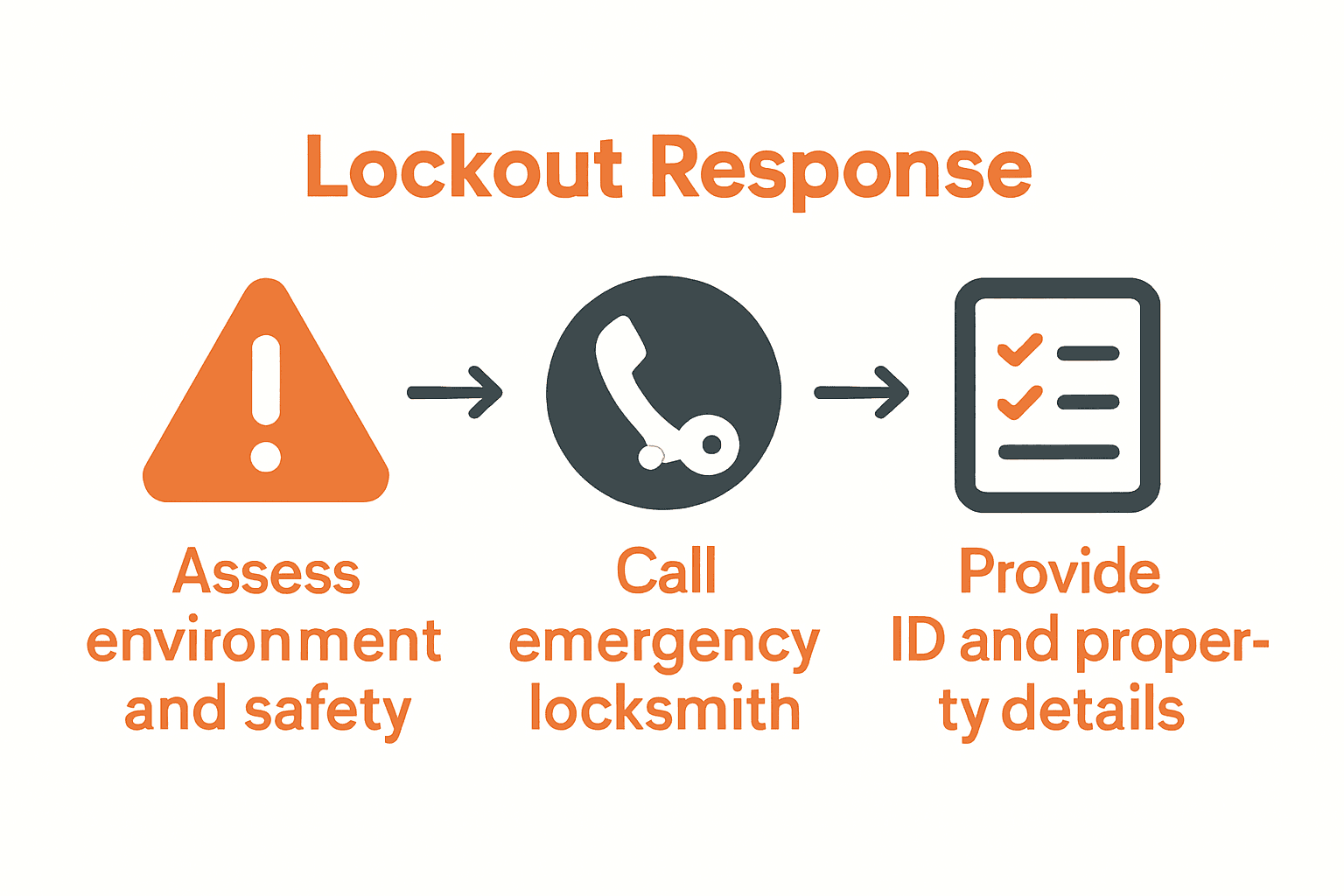
When you find yourself locked out, your first priority is understanding the specific circumstances and potential safety risks around your situation. According to the HSE Network, implementing a Stop Work Authority (SWA) protocol can help you systematically evaluate any potential hazards before taking action.
Start by carefully examining your immediate environment. Are you in a safe location? Consider factors like time of day, temperature, personal accessibility, and whether you have immediate shelter or protection. If you are a lone worker or in an isolated area, your safety assessment becomes even more critical. As the British Safety Council emphasises, evaluating task-based risks means considering physical exertion, potential need for immediate assistance, and any potential hazardous elements in your surroundings.
Look for alternative safe entry points or temporary shelter if needed. Do not attempt risky methods like climbing or forcing entry that could compromise your personal safety. If you feel vulnerable or uncertain, call a professional locksmith who can assess and resolve the situation safely and efficiently. Your personal safety always takes precedence over immediate access.
Remember: a calm, methodical approach will help you navigate this challenging situation more effectively and securely.
Step 2: Contact a trusted local locksmith for rapid assistance
Now that you have assessed your safety, it is time to reach out to a professional locksmith who can help you regain access quickly and securely. When choosing a locksmith, focus on finding a local emergency locksmith service with rapid response capabilities and a reputation for reliability.
Start by gathering key information before making your call. Have your location details ready, describe your specific lock situation, and be prepared to verify your identity as the property owner. Most professional locksmiths like AHLP will ask about the type of lock, door material, and any specific challenges you are experiencing. This helps them arrive prepared with the right tools and expertise to resolve your lockout efficiently.
When contacting the locksmith, ask about their estimated arrival time, service fees, and whether they offer no call out charges. A reputable locksmith will be transparent about costs and provide clear communication. Prioritise local services that understand the specific security challenges in your area and can respond swiftly to your emergency.
Stay calm and patient. A professional locksmith will work to minimise disruption and help you regain access safely and quickly.
Step 3: Provide essential access details and identification
As you communicate with a locksmith, your goal is to provide clear and accurate information that helps them understand and resolve your lockout situation quickly. According to the National Protective Security Authority, clear communication during emergencies is paramount for effective response.
When speaking with the locksmith, be prepared to share specific details about your property and your identity. This includes your full name, contact number, precise address, and type of property (house, flat, or business premises). As recommended by UK Government guidance, providing comprehensive incident details facilitates a coordinated and efficient response.
Have important documents ready to verify your ownership or tenancy. This might include a driving licence, utility bill, rental agreement, or property deed. If you are not the primary property owner but have legitimate access (such as a tenant or authorised occupant), be prepared to explain your relationship to the property and provide supporting documentation.
Remember that being thorough and transparent will help the locksmith assist you more effectively and swiftly.
Step 4: Wait securely while monitoring locksmith arrival
Once you have contacted a professional locksmith, your next priority is to ensure your personal safety while awaiting their arrival. According to the National Protective Security Authority, maintaining a secure position during emergencies is crucial for minimising potential risks.
Find a safe location near your property where you can clearly see the street and monitor the locksmith’s approach. If you are in a public area, consider waiting inside a nearby business or cafe if possible. As UK Government guidance recommends, staying informed and aware of your surroundings helps ensure a timely and safe response.
Keep your mobile phone charged and nearby, and be prepared to answer any calls from the locksmith. If you have shared specific details about your location or access requirements, ensure you can quickly communicate any additional information. Have your identification and property documents ready to expedite the verification process.
Remain calm and patient. A professional locksmith will work efficiently to help you regain access to your property.
Step 5: Verify successful entry and secure property against repeat incidents
After regaining access to your property, your immediate focus should be on understanding how the lockout occurred and preventing similar situations in the future. According to the Health and Safety Executive, it is crucial to assess risks and implement controls that prevent recurring incidents.
Work with the locksmith to thoroughly inspect your locks and entry points. Discuss any potential vulnerabilities they might have noticed during the entry process. The National Protective Security Authority emphasises the importance of regularly reviewing and updating security measures to ensure comprehensive protection against unauthorised access.
Consider implementing additional security measures such as spare key storage with a trusted neighbour, installing a key safe, or upgrading to more robust locking mechanisms. If your current locks appear worn or damaged, this might be an opportune moment to replace them with higher security options. Discuss potential improvements with your locksmith, who can provide professional recommendations tailored to your specific property.
Remember that prevention is always better than dealing with another unexpected lockout.
Regain Access Quickly with Trusted Emergency Locksmith Support
Facing an unexpected lockout can be stressful and unsafe if not handled correctly. This article highlights the importance of assessing risks carefully and seeking professional help promptly to ensure your personal safety and rapid access to your property. Whether you need to provide identification, communicate clearly with your locksmith, or secure your home against future incidents, expert assistance matters.
At AHLP Locksmiths, we understand the urgency and emotional strain of being locked out. Our dedicated emergency locksmith services in Bristol and surrounding areas guarantee fast response times and reliable solutions using the highest quality British Standard hardware. Don’t compromise your safety by attempting risky entry methods or waiting uncertainly. Contact our local experts today for secure, non-destructive access.
Take action now to protect your peace of mind. Visit AHLP Locksmiths to arrange immediate assistance or learn how our local locksmith team can help you avoid future lockouts with professional security upgrades and advice.
Frequently Asked Questions
What should I do first if I am locked out of my property?
Start by assessing your environment and any safety risks. Ensure you are in a safe location, and consider calling a professional locksmith if you feel vulnerable or uncertain about the situation.
How can I contact a locksmith quickly during a lockout emergency?
To reach a locksmith efficiently, gather information about your location and the specific lock situation. Call a local emergency locksmith service and be prepared to provide details about your property and verify your identity as the owner.
What details do I need to provide to the locksmith?
You should share your full name, contact number, address, type of property, and the issue you are experiencing with the lock. Have identification documents ready to verify your ownership and expedite the process.
How can I stay safe while waiting for the locksmith?
Find a secure location where you can easily monitor the locksmith’s arrival. Keep your phone charged and nearby to communicate any necessary details, and be aware of your surroundings to ensure personal safety.
What steps should I take after regaining access to my property?
Once inside, assess how the lockout occurred and take preventative measures. Discuss potential vulnerabilities with the locksmith and consider updating your locks or implementing additional security measures to avoid future incidents.
How can I prevent future lockouts from happening?
Consider storing a spare key with a trusted neighbour or installing a key safe. Regularly review your locks for wear and damage, and upgrade to more robust locking mechanisms if necessary to enhance your security.