
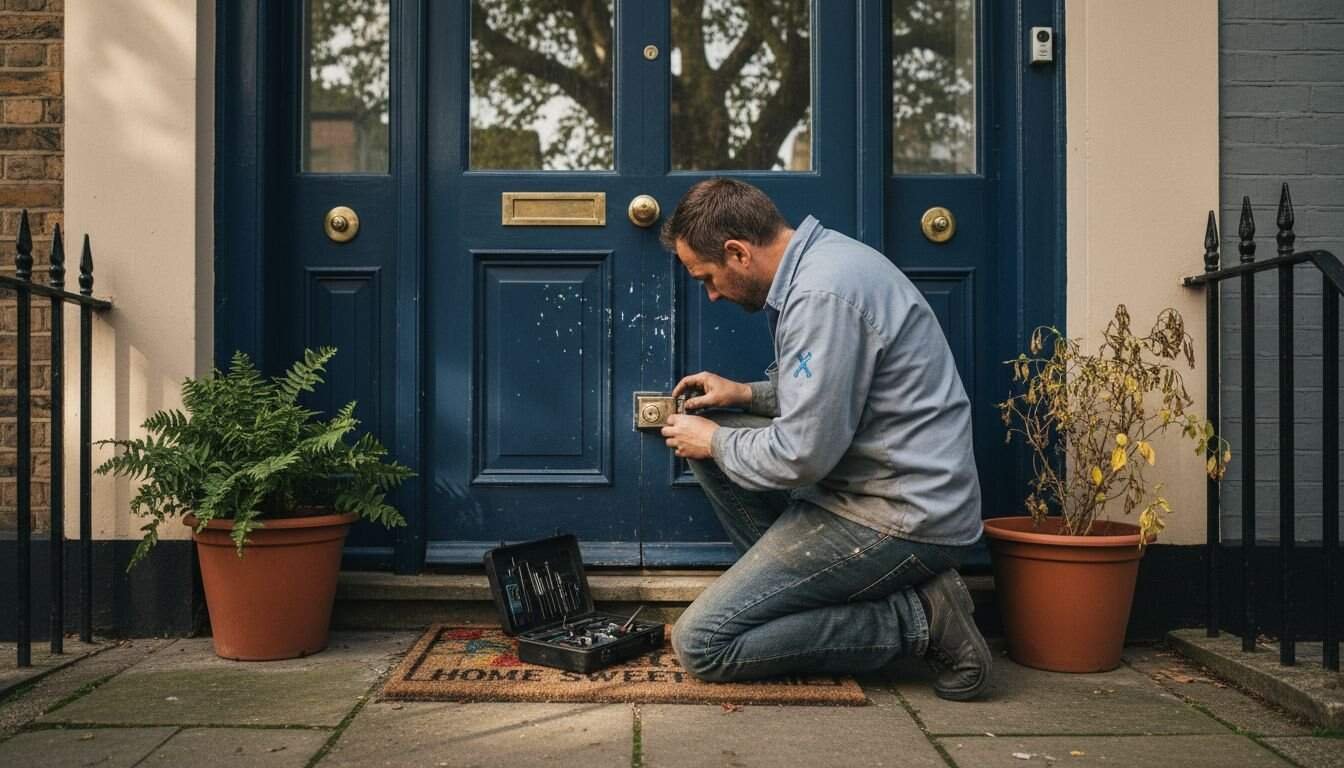
Every British property owner knows the anxiety that comes with misplaced keys. Statistics show that over 60 percent of British households have experienced key loss or lockouts, exposing homes and businesses to unnecessary risk. Protecting access and privacy is not just about convenience—it is about ensuring a secure environment for families and assets. Unpacking how key replacement works in the United Kingdom helps you navigate urgent situations with confidence and make informed decisions that prioritise safety.
Table of Contents
- Key Replacement Explained For UK Properties
- Types: Lost, Broken, And Stolen Key Solutions
- How Locksmiths Safely Replace Keys
- Legal And Insurance Considerations In Key Replacement
- Costs, Security Risks, And Mistakes To Avoid
Key Takeaways
| Point | Details |
|---|---|
| Importance of Timely Replacement | Quick action is essential when keys are lost to prevent security vulnerabilities. Collaborating with professional locksmiths ensures effective and secure replacements. |
| Specific Protocols for Different Properties | Replacement procedures vary significantly between residential and communal settings, necessitating awareness of respective requirements and processes. |
| Legal and Insurance Responsibilities | Property owners should understand their legal obligations and possible insurance implications related to key loss or theft to mitigate risks. |
| Avoiding Common Mistakes | Property owners must avoid delays in reporting lost keys, updating locks, and neglecting security upgrades to maintain robust property protection. |
Key Replacement Explained for UK Properties
Losing keys is more than just an inconvenience – it represents a potential security risk for homeowners and businesses across the United Kingdom. When keys go missing, swift and professional replacement services become critical to maintaining property security and peace of mind.
Replacing keys involves several important considerations specific to different property types. For residential properties, replacement typically requires proof of ownership and often involves creating a new key that matches the existing lock mechanism. In communal housing settings, replacement procedures can vary significantly, with specific protocols for obtaining duplicate keys for shared entrance areas.
The key replacement process generally involves several strategic steps:
- Verify property ownership documentation
- Determine the specific lock type and key requirements
- Select an authorised locksmith service with professional credentials
- Arrange for lock assessment and key cutting
- Consider potential lock replacement if the original keys are permanently lost
Professional locksmiths recommend immediate action when keys are misplaced, as delayed replacement can expose properties to potential security vulnerabilities. By working with experienced professionals, property owners can ensure seamless, secure key replacement that maintains the integrity of their property’s access systems.
Types: Lost, Broken, and Stolen Key Solutions
Key issues can manifest in three primary scenarios, each requiring a distinct approach to restoration and security. Lost keys represent the most common challenge, where the key’s location becomes entirely unknown, potentially exposing property vulnerabilities. Replacement protocols typically demand comprehensive identification verification to prevent unauthorized access.
Broken keys present a unique technical challenge, often occurring when keys fracture inside lock mechanisms or suffer structural damage. In such instances, professional locksmiths must carefully extract the broken key fragment and create a precise replacement that matches the original lock’s intricate specifications. Key fob replacements require additional considerations, particularly in communal housing environments where access control is critical.
Stolen keys demand immediate and strategic action to mitigate potential security risks. Recommended steps include:
- Reporting the theft to local authorities
- Changing lock mechanisms immediately
- Documenting the incident for insurance purposes
- Obtaining replacement keys with enhanced security features
Each key replacement scenario requires a nuanced approach, balancing practical restoration with comprehensive security management. Professional locksmiths can provide tailored solutions that address the specific circumstances of lost, broken, or stolen keys, ensuring property owners regain secure access with minimal disruption.
How Locksmiths Safely Replace Keys
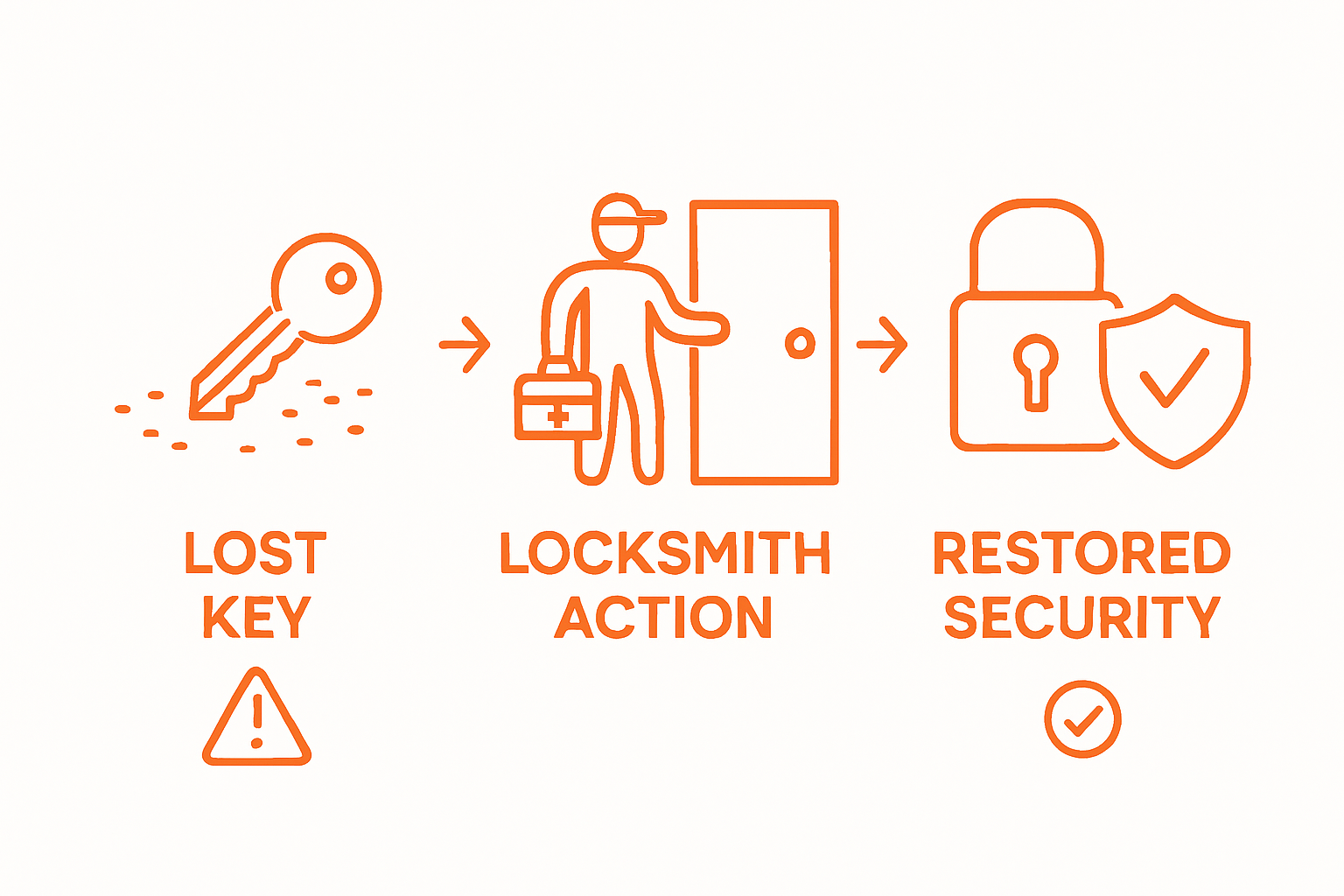
Professional locksmiths employ a systematic approach to key replacement that prioritises both security and precision. Key management protocols require comprehensive verification processes to ensure only authorised individuals receive replacement keys, protecting property integrity and preventing potential security breaches.

The key replacement procedure involves multiple critical steps. Initially, locksmiths conduct thorough identification checks, requiring official documentation that proves property ownership or authorised access rights. Sophisticated key cutting technology allows technicians to create exact replicas that match original lock specifications, ensuring seamless functionality and maintaining the existing security infrastructure.
Secure key storage and management represent additional crucial considerations during the replacement process. Some recommended strategies include:
- Implementing restricted key control systems
- Using secure key safes for temporary storage
- Maintaining detailed documentation of key distribution
- Establishing clear accountability protocols
- Utilising advanced tracking mechanisms for key movements
Ultimately, professional locksmiths understand that key replacement extends beyond simply creating a new physical key. Their approach integrates technical expertise with robust security principles, ensuring property owners receive precise, secure key replacements that maintain the highest standards of access control and protection.
Legal and Insurance Considerations in Key Replacement
Key replacement involves complex legal and insurance implications that property owners must carefully navigate. Insurance policies frequently outline specific requirements and potential liability issues related to lost or stolen keys, making it crucial to understand the precise documentation and reporting protocols.
Legal responsibilities differ significantly between residential and commercial properties. Tenants and property owners must adhere to strict reporting guidelines, which typically involve providing official identification and comprehensive documentation proving ownership or authorised access. Rechargeable repair policies often specify the financial responsibilities and procedural requirements for key replacements, ensuring clear accountability and preventing potential disputes.
Critical legal and insurance considerations include:
- Documenting the key loss or theft immediately
- Notifying relevant insurance providers
- Maintaining detailed records of replacement procedures
- Understanding potential financial liabilities
- Verifying compliance with property lease or ownership agreements
- Ensuring proper identification during the replacement process
Ultimately, proactive management of key replacement processes can mitigate potential legal risks and insurance complications. Property owners who approach key replacement with thorough documentation, prompt reporting, and clear communication can effectively protect their interests and maintain comprehensive security standards.
Costs, Security Risks, and Mistakes to Avoid
Key replacement involves nuanced financial and security considerations that property owners must carefully evaluate. Professional locksmiths recommend understanding the potential costs associated with different replacement scenarios, which can range from straightforward key cutting to comprehensive lock mechanism replacements.
Security risks emerge when property owners fail to implement comprehensive key management strategies. The most critical vulnerabilities often stem from inadequate documentation, poor storage practices, and delayed reporting of lost or stolen keys. Potential financial implications can be substantial, potentially impacting insurance coverage and increasing liability exposure.
Common mistakes to avoid during key replacement include:
- Delaying the reporting of lost or stolen keys
- Failing to update all relevant lock mechanisms
- Neglecting secure key storage protocols
- Sharing key access information indiscriminately
- Overlooking the importance of professional key-cutting services
- Ignoring potential security upgrades during replacement
Ultimately, a proactive and strategic approach to key replacement can mitigate financial risks and enhance overall property security. Property owners who invest time in understanding comprehensive key management practices will protect themselves from potential vulnerabilities and unnecessary expenses.
Restore Your Security with Expert Key Replacement Services
Losing your keys or facing broken or stolen key situations can create serious security concerns for your home or business. The article highlights how essential immediate and professional key replacement is to prevent potential vulnerabilities and legal complications. At AHLP Locksmiths, we understand these challenges and provide comprehensive, reliable solutions tailored to your specific needs, including lock assessments, key cutting, and full lock replacements if necessary.
Choose our Local Locksmith – Auto Home Lock Pro services for fast and trusted key replacements that prioritise your safety and peace of mind. Whether you need emergency support or planned security upgrades, our experienced locksmiths use high-quality British Standard hardware with efficient and careful methods. Contact us today through our website and take the first step to securing your property with confidence. Do not wait until security risks escalate; act now and regain control of your access systems.
Frequently Asked Questions
What should I do if I lose my keys?
If you lose your keys, it’s crucial to act quickly. Contact a professional locksmith to assess your lock and arrange for key replacement. You should also verify your ownership of the property.
How can I ensure the security of my property after losing my keys?
To maintain security, consider changing your locks immediately after key loss to prevent unauthorised access. Additionally, ensure that you keep documentation of the key loss for insurance purposes.
What are the steps involved in the key replacement process?
The key replacement process typically includes verifying property ownership, determining lock type, selecting a qualified locksmith, and arranging for lock assessment and key cutting. If keys are permanently lost, a lock replacement may be necessary.
Are there any legal considerations I should be aware of when replacing keys?
Yes, it’s important to document the loss or theft of keys and notify your insurance provider. Legal responsibilities may include providing official identification and adhering to specific reporting guidelines related to property ownership.