
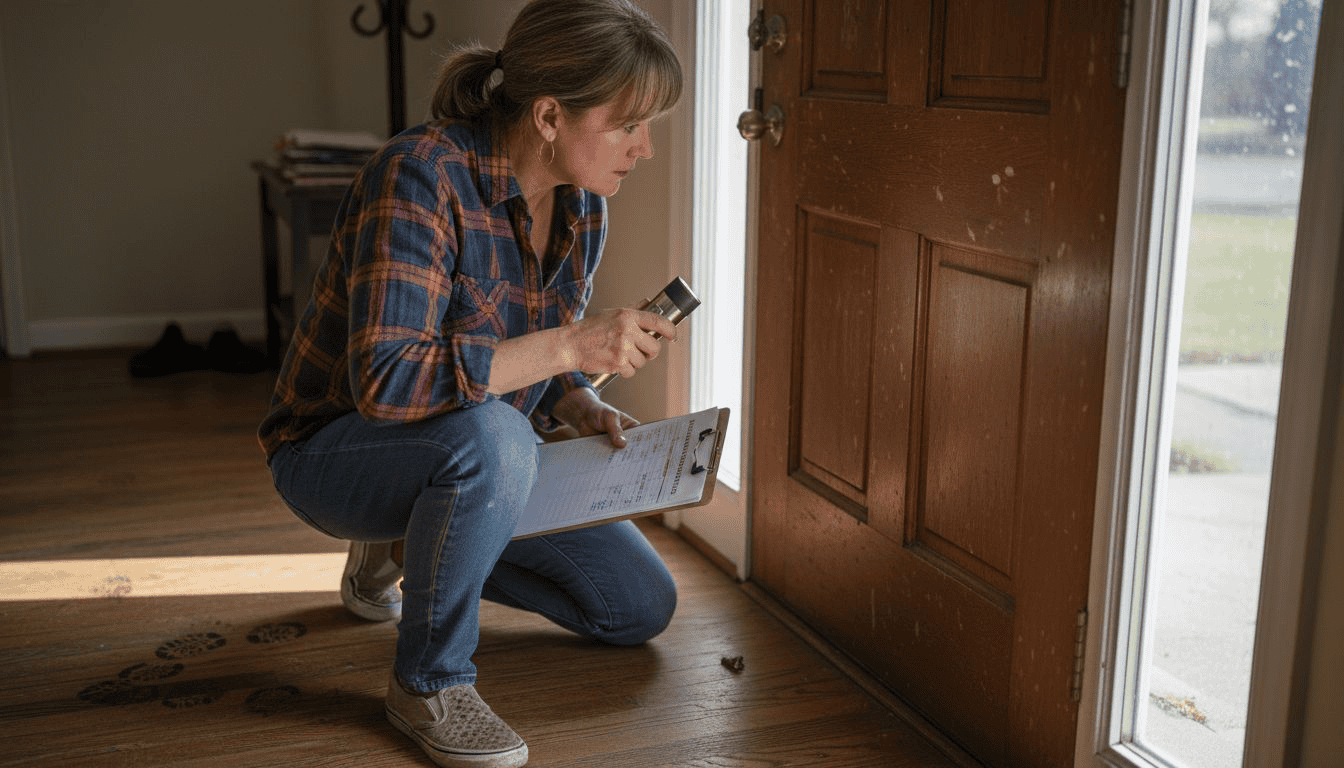
Many Bristol and South Gloucestershire households discover just how important sturdy locks are when a sticky key or jammed mechanism puts home security on the line. With property protection high on every homeowner’s list, neglecting regular lock care can leave homes more vulnerable to unwanted entry. This guide highlights the basics of preventative lock care, sharing practical tips to lower the risk of break-ins while helping your locks stand the test of time.
Table of Contents
- What Is Regular Lock Maintenance?
- Common Lock Types and Vulnerabilities
- How Regular Maintenance Prevents Failures
- Risks of Neglecting Lock Maintenance
- Essential Tips for Home Lock Care
Key Takeaways
| Point | Details |
|---|---|
| Regular Lock Maintenance | Systematic inspections and servicing are essential to maintain optimal security and functionality of locks. Conduct maintenance at least twice yearly, especially for high-traffic entry points. |
| Understanding Lock Vulnerabilities | Familiarise yourself with the specific weaknesses of different lock types to improve home security. This knowledge aids in selecting the appropriate maintenance techniques. |
| Consequences of Neglected Maintenance | Failing to maintain locks can lead to increased vulnerability and costly repairs. Regular checks significantly reduce the risk of unexpected lock failures. |
| Essential Home Lock Care Practices | Maintain locks by cleaning, lubricating, and inspecting for wear. Using non-petroleum based lubricants can enhance lock longevity and performance. |
What Is Regular Lock Maintenance?
Regular lock maintenance involves systematic inspection, cleaning, and servicing of locks to ensure optimal security and functionality for your home. Unlike reactive approaches that wait for problems to emerge, preventative lock care helps identify potential issues before they compromise your property’s safety.
Maintenance encompasses several critical components that protect your home’s primary security infrastructure. Comprehensive maintenance planning requires understanding both mechanical and strategic aspects of lock performance. This approach involves:
- Checking lock mechanisms for smooth operation
- Lubricating moving parts to prevent friction
- Inspecting for signs of wear or potential failure
- Assessing alignment and structural integrity
- Verifying key functionality and replacement needs
Professional locksmiths recommend conducting lock maintenance at least twice per year, particularly for external doors and high-traffic entry points. Different lock types – including mortice locks, cylinder locks, and UPVC mechanisms – require specific maintenance techniques tailored to their unique design.
Regular maintenance prevents unexpected lockouts and significantly reduces the risk of security breaches.
Each lock type presents unique maintenance requirements. Wooden door locks need different care compared to modern composite or aluminium door mechanisms. Understanding these nuanced differences helps homeowners protect their property more effectively.
Pro tip: Keep a maintenance log documenting each inspection, lubrication, and potential repair to track your lock’s long-term performance and health.
Common Lock Types and Vulnerabilities
Homeowners face diverse lock types, each with unique security characteristics and potential vulnerabilities. Understanding these variations is crucial for maintaining comprehensive home protection. Common security exploitations demonstrate how critical it is to recognise specific weaknesses in different lock mechanisms.
The primary lock types found in UK homes include:
- Cylinder locks: Most common in residential properties
- Mortice locks: Embedded within wooden door frames
- UPVC door locks: Prevalent in modern housing developments
- Multi-point locking systems: Providing enhanced security for composite doors
- Rim locks: Typically used for additional secondary security
Each lock type presents distinctive vulnerabilities that skilled intruders might exploit. Cylinder locks, for instance, can be susceptible to techniques like lock bumping or picking, where specialised tools manipulate the internal mechanism. UPVC locks often have specific weakness points around the gearing and locking points that require regular professional inspection.
Not all locks are created equal – understanding your specific lock’s vulnerabilities is the first step in comprehensive home security.
Modern homeowners must consider both mechanical integrity and potential technological weaknesses. Anti-snap cylinder locks, for example, have been specifically designed to counter common break-in techniques, offering enhanced protection compared to traditional designs.
Here’s a comparative summary of common UK lock types and their main vulnerabilities:
| Lock Type | Common Weakness | Recommended Maintenance Focus |
|---|---|---|
| Cylinder Lock | Susceptible to bumping and picking | Inspect for tampering, upgrade to anti-snap models |
| Mortice Lock | Chiselling around door frame | Check structural integrity, tighten hinges |
| UPVC Mechanism | Gearbox and alignment faults | Lubricate gearbox, verify multi-point action |
| Rim Lock | Limited as primary security | Use as secondary lock, ensure latch smoothness |
| Multi-point Lock | Component misalignment | Test all points engage, professional adjustment |
Pro tip: Conduct an annual professional security assessment to identify potential vulnerabilities in your home’s existing lock systems.
How Regular Maintenance Prevents Failures
Regular lock maintenance is a critical strategy for preventing unexpected security failures and costly repairs. Proactive maintenance practices demonstrate how systematic inspections can significantly reduce the risk of lock deterioration and potential home security breaches.
The key components of preventative lock maintenance include:
- Identifying early signs of mechanical wear
- Lubricating moving components
- Checking alignment and structural integrity
- Testing key functionality
- Assessing potential vulnerability points
Mechanical failures often develop incrementally, with subtle warning signs that untrained homeowners might overlook. Cylinder locks and UPVC mechanisms are particularly susceptible to gradual deterioration, where internal components can slowly degrade, compromising the lock’s overall security effectiveness.
Preventing a lock failure is always more cost-effective than addressing the consequences of a complete breakdown.
Professional locksmiths recommend comprehensive maintenance approaches that go beyond simple visual inspections. This includes detailed mechanism testing, precision lubrication, and identifying potential weakness points before they transform into significant security risks.
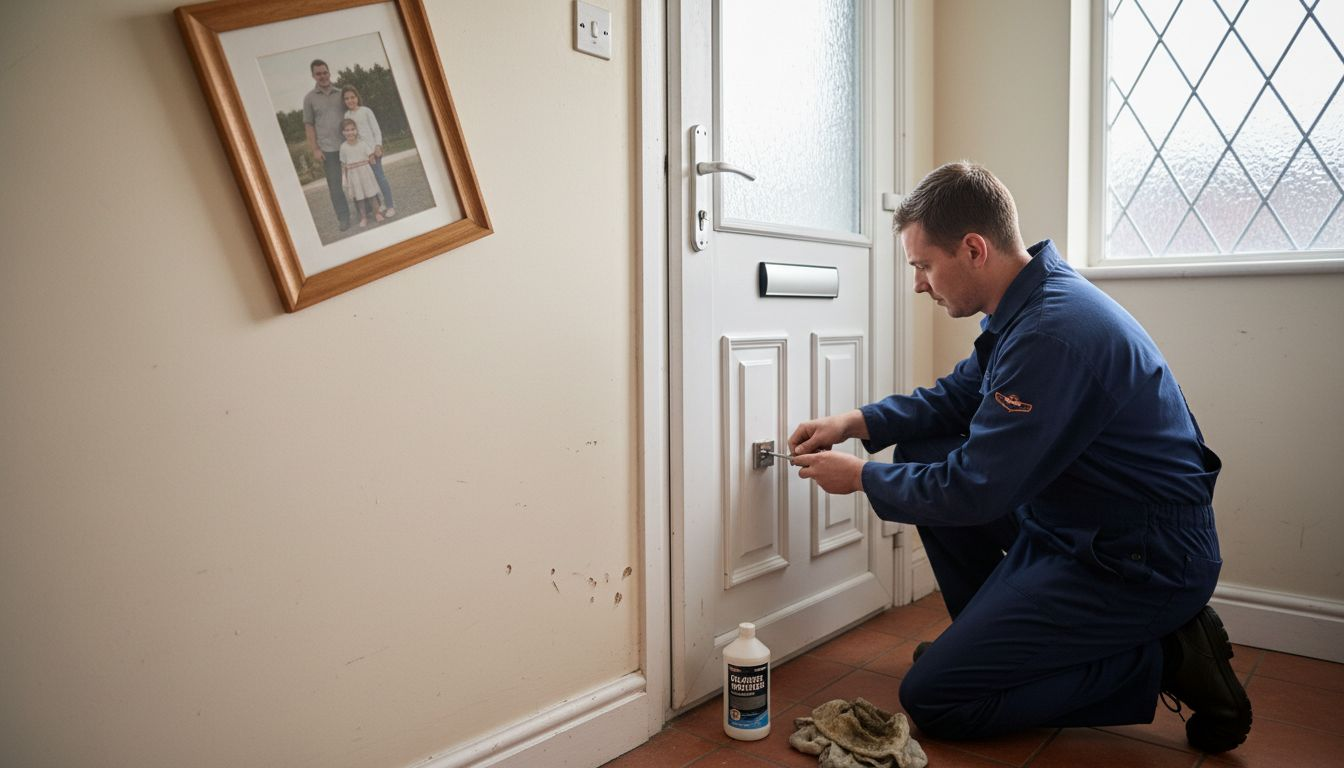
Pro tip: Schedule professional lock maintenance every six months to catch potential issues before they become critical security vulnerabilities.
Risks of Neglecting Lock Maintenance
Neglecting lock maintenance exposes homeowners to substantial security risks and potential financial losses. Structural maintenance failures can rapidly escalate from minor issues into comprehensive security vulnerabilities that compromise your entire home’s protection.
The primary risks of ignoring lock maintenance include:
- Increased vulnerability to break-ins
- Accelerated mechanical deterioration
- Higher probability of unexpected lock failures
- Potential invalidation of home insurance policies
- Compromised home security infrastructure
Cylinder locks and UPVC mechanisms are particularly susceptible to gradual degradation when left unserviced. Small signs of wear – such as stiffening key rotation, subtle misalignments, or minor internal component friction – can quickly transform into complete mechanical failures that leave your property exposed.
Neglected locks are not just a security risk; they are an open invitation to potential intruders.
Professional risk assessments reveal that homeowners who consistently defer maintenance often face significantly higher repair costs and increased security vulnerabilities. The incremental expense of periodic professional inspections is minimal compared to the potential financial and emotional toll of a successful break-in.
The table below outlines the risks of poor lock maintenance compared with regular care:
| Maintenance Practice | Typical Outcome | Long-term Security Impact |
|---|---|---|
| Regular Maintenance | Fewer breakdowns | Maintains strong defence against intruders |
| Occasional Checks | Minor functional issues over time | Some risk of costly repairs or easy bypass |
| Neglected Locks | Sudden failures, stuck keys | Major security gaps, increased break-in risk |
Pro tip: Treat your locks like a critical home security investment – allocate a small annual budget for professional maintenance to prevent costly future repairs.
Essential Tips for Home Lock Care
Maintaining your home’s locks requires a systematic and proactive approach to ensure long-lasting security and functionality. Home maintenance strategies emphasise the importance of regular inspection and care to prevent potential security vulnerabilities.
Key lock care practices include:
- Cleaning lock mechanisms thoroughly
- Lubricating moving parts with appropriate graphite-based lubricants
- Checking for signs of rust or mechanical wear
- Testing key and lock alignment
- Inspecting external lock components for damage
- Verifying smooth key rotation without resistance
Cylinder locks and UPVC mechanisms demand specific maintenance techniques that differ from traditional wooden door locks. Professional locksmiths recommend using non-petroleum based lubricants to prevent internal mechanism degradation and avoid attracting dust or debris.
Consistent, gentle maintenance prevents costly lock replacements and potential security breaches.
Seasonally changing environmental conditions in the UK can significantly impact lock performance. Moisture, temperature fluctuations, and general wear can compromise lock integrity, making periodic professional inspections crucial for maintaining optimal security standards.
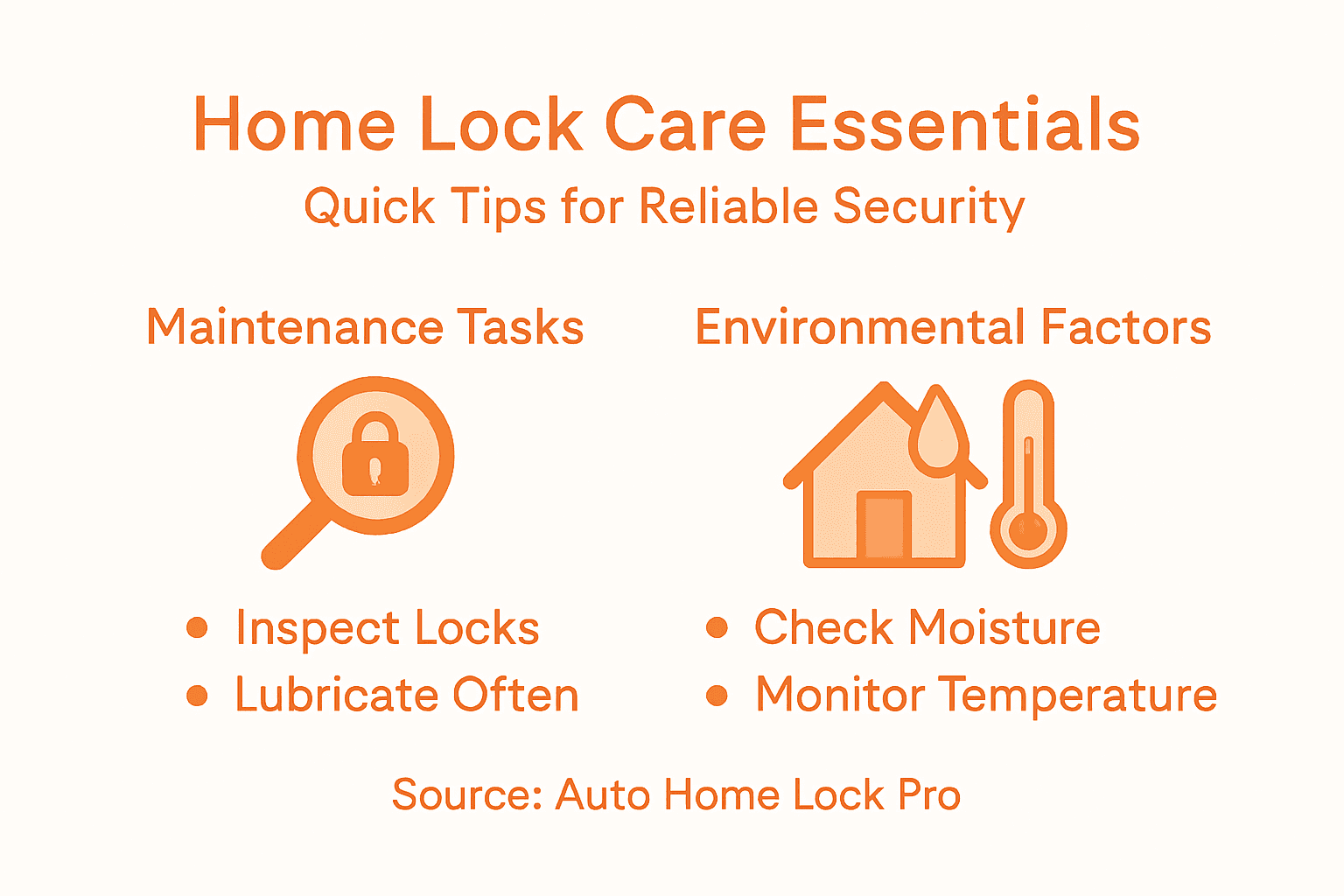
Pro tip: Keep a small maintenance kit with graphite lubricant, clean cloth, and a torch to perform quick lock checks every three months.
Ensure Your Home’s Security with Expert Lock Maintenance
The challenge of maintaining your locks to prevent failures and vulnerabilities is real and urgent. As the article highlights, neglecting regular lock maintenance can lead to increased risk of break-ins and costly repairs. Common issues such as lock mechanism wear, misalignment, or outdated cylinders demand professional attention to keep your home safe and your peace of mind intact. At AHLP Locksmiths, we understand the importance of preventative lock care tailored to every lock type including UPVC mechanisms, cylinder locks, and mortice locks.
Take control of your home security today by engaging our Locksmith Services – Auto Home Lock Pro. Our local experts provide thorough inspections, quality repairs, and advanced upgrades including anti-snap locks designed to eliminate common vulnerabilities. Do not wait for an unexpected lock failure or security breach. Reach out to our dedicated team at AHLP Locksmiths and secure your property with confidence. Whether you require routine maintenance, emergency assistance, or a full security upgrade, we are here for you. Acting now means peace of mind tomorrow.
Frequently Asked Questions
How often should I perform regular lock maintenance?
Regular lock maintenance should be performed at least twice per year, especially for external and high-traffic entry doors.
What are the key components of lock maintenance?
Key components of lock maintenance include inspecting lock mechanisms, lubricating moving parts, checking for signs of wear, assessing alignment, and verifying key functionality.
What types of locks require different maintenance techniques?
Different lock types such as cylinder locks, mortice locks, UPVC mechanisms, and rim locks require specific maintenance techniques tailored to their design and materials.
What are the risks of neglecting lock maintenance?
Neglecting lock maintenance can lead to increased vulnerability to break-ins, accelerated mechanical deterioration, unexpected lock failures, and potential invalidation of home insurance policies.