
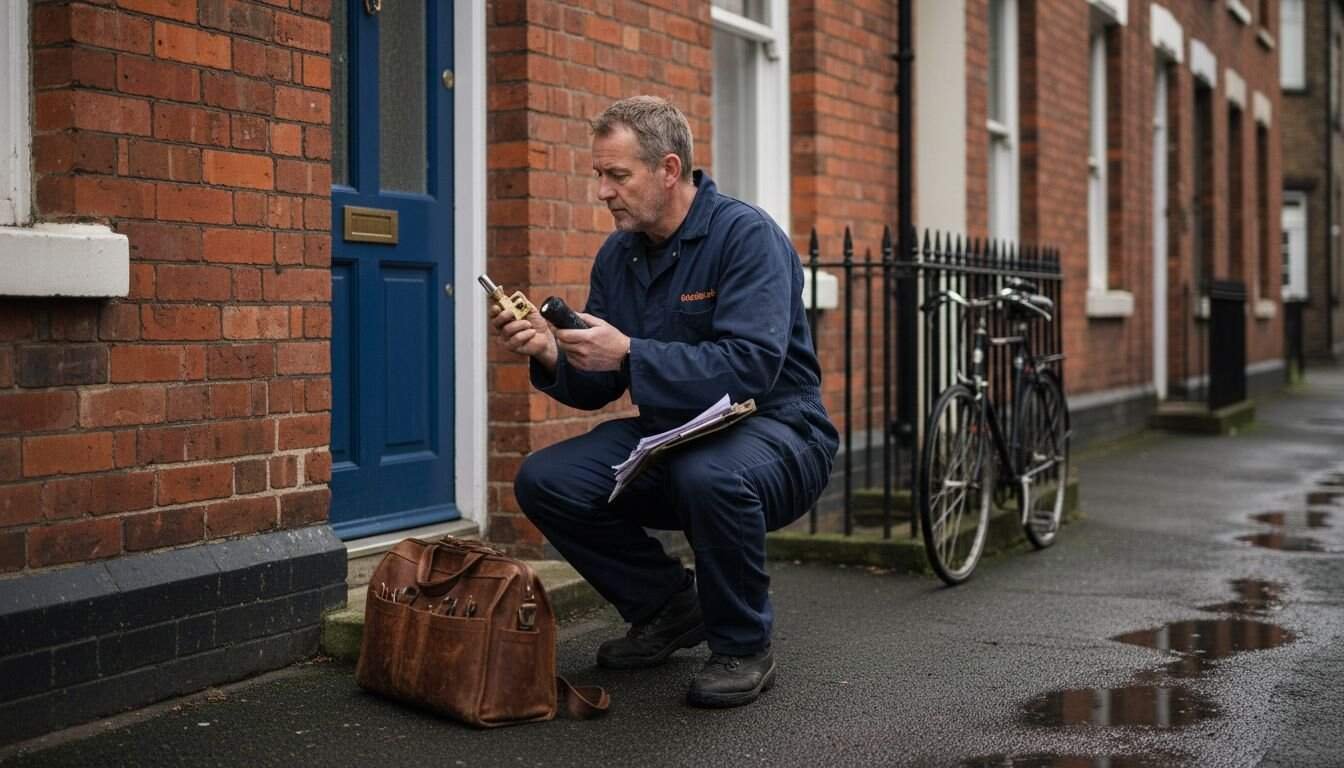
Over 60 percent of UK break-ins occur through doors that lack proper certified locks, making home security a top concern for many British families. Relying on outdated or substandard hardware can leave your property in Bristol more vulnerable than you might think. By discovering what sets British Standard locks apart and how to check for weak spots, you can protect your home with confidence while meeting important insurance requirements.
Table of Contents
- Choose British Standard Locks For Better Security
- Check And Upgrade Your Door And Window Locks
- Keep Spare Keys Secure And Out Of Sight
- Book Regular Lock Maintenance And Inspections
- Learn How To Spot Common Lock Problems Early
- Understand The Benefits Of Anti-Snap Locks
- Know When To Call A Professional Locksmith
Quick Summary
| Key Insight | Clear Explanation |
|---|---|
| 1. Choose British Standard Locks | British Standard locks ensure maximum security and comply with insurance requirements, providing peace of mind against intruders. |
| 2. Regular Lock Maintenance is Essential | Schedule annual inspections to identify wear, vulnerabilities, and ensure security effectiveness, preventing potential break-ins. |
| 3. Store Spare Keys Securely | Avoid obvious hiding spots; use secure key safes instead to deter burglars from easily accessing spare keys. |
| 4. Upgrade to Anti-Snap Locks | Anti-snap locks offer advanced protection against common break-in methods, complying with high security standards for your safety. |
| 5. Call Professionals When Needed | Engage licensed locksmiths for complex issues or upgrades to ensure proper installation and avoid damaging your locks or doors. |
1. Choose British Standard Locks for Better Security
Protecting your Bristol home starts with selecting the right locks. When it comes to home security, British Standard locks represent the gold standard for residential protection. These locks undergo rigorous testing to ensure they can withstand potential break-in attempts, providing homeowners with a robust defence against intruders.
The ProtectUK website advises that solid timber doors should be fitted with a BS 3621:2017 5-lever mortice deadlock or sash lock. This specific standard means the lock has been comprehensively tested against common burglary techniques, giving you peace of mind about your property’s security.
British Standard locks typically feature advanced mechanisms that resist picking, drilling, and forced entry. They incorporate specific design elements like hardened steel pins, anti-snap cylinders, and reinforced mounting points that make them significantly more challenging for potential intruders to compromise.
When selecting a lock, look for the BS 3621 kitemark or certification. This symbol indicates the lock has passed stringent security assessments and meets insurance industry requirements. Many home insurance providers actually require these certified locks, making them not just a safety choice but potentially a financial necessity.
Expert Tip: Always purchase British Standard locks from reputable locksmiths or security specialists who can provide professional installation, ensuring the lock’s full protective capabilities are properly implemented.
2. Check and Upgrade Your Door and Window Locks
Securing your home requires more than just having locks in place. Regular inspection and strategic upgrading of door and window locks are crucial steps in maintaining robust home security. Understanding which locks provide the best protection can significantly reduce your risk of burglary.
West Yorkshire Police recommend specific lock standards for different entry points. For wooden doors, they advise installing a 5-lever mortice lock tested to British Standard BS 3621. Window security is equally important, with key-operated locks strongly recommended, particularly for ground floor windows and those adjacent to flat roofs.
When checking your existing locks, look for signs of wear, rust, or mechanical weakness. Older locks might have vulnerabilities that modern security technologies can easily overcome. Pay special attention to door frames and window mechanisms, as these are often overlooked potential entry points for intruders.
The National Protective Security Authority emphasises the importance of not just replacing locks, but also reinforcing door and window frames. This holistic approach makes forced entry significantly more challenging. Consider upgrading to multi-point locking systems for doors, which secure the frame at multiple points when the key is turned.
Expert Insight: Professional locksmiths can conduct a comprehensive security assessment, identifying specific vulnerabilities in your home’s current lock system and recommending targeted upgrades tailored to your property’s unique characteristics.
Smart Tip: Schedule an annual lock review to ensure your home’s security remains current with the latest protective technologies and standards.
3. Keep Spare Keys Secure and Out of Sight
Where you store spare keys can dramatically impact your home’s security. Many homeowners unknowingly create easy access points for potential burglars by leaving keys in predictable locations.
Age UK’s guide strongly warns against storing spare keys in obvious places like under doormats or inside flower pots. These locations are the first places experienced burglars will check when attempting to gain unauthorised entry to your property.
Instead of traditional hiding spots, consider more sophisticated key storage solutions. Secure key safes provide a robust alternative, allowing you to store a spare key with a coded lock that only authorised individuals can access. These devices can be securely mounted near your entrance, offering convenience without compromising safety.
The nidirect security guidance also highlights an often-overlooked security risk: the positioning of letterboxes. Ensure your letterbox is not placed close enough to door locks that someone could potentially reach through and manipulate the internal mechanism.
Modern key storage options include wall-mounted key safes with digital combinations, smart locks that can be controlled via smartphone apps, and secure key storage boxes that blend discreetly with your home’s exterior.
Smart Tip: Consider splitting spare keys between trusted family members or neighbours, reducing the need to hide keys on your property and minimising potential security vulnerabilities.
4. Book Regular Lock Maintenance and Inspections
Home security is not a one-time investment but an ongoing process that requires consistent attention and professional care. Your locks endure significant daily stress from repeated use, environmental conditions, and potential wear and tear.
The National Protective Security Authority highlights that locks must provide robust security against both forcible and surreptitious attacks, which underscores the critical importance of regular professional inspections and maintenance.
Annual lock maintenance offers multiple benefits beyond simple mechanical functionality. Professional locksmiths can identify early signs of mechanical degradation, potential vulnerabilities, and recommend preemptive upgrades before serious security risks emerge. They will thoroughly examine lock mechanisms, check alignment, test key responsiveness, and lubricate moving parts to ensure optimal performance.
During a comprehensive lock inspection, a skilled locksmith will assess various elements, including the lock’s structural integrity, potential signs of tampering, internal mechanism condition, and compatibility with your current security requirements. They can also evaluate whether your existing locks meet current British Standard security recommendations.
Regular maintenance becomes particularly crucial for complex lock systems like multi-point locking mechanisms on UPVC doors, electronic smart locks, and high-security residential entry systems. These sophisticated mechanisms require specialised knowledge and precise adjustments that go beyond basic DIY maintenance.
Smart Tip: Schedule your annual lock maintenance during quieter months like late autumn or early winter, when locksmiths typically have more availability, and you can address potential issues before the busy holiday season.
5. Learn How to Spot Common Lock Problems Early
Understanding potential lock issues before they escalate can save you from unexpected security vulnerabilities and costly emergency repairs. Your home’s locks are complex mechanical systems that require careful observation and proactive maintenance.
ProtectUK recommends establishing consistent routines for checking door and window security, which helps identify potential lock problems quickly and effectively. These routine checks can reveal subtle signs of mechanical wear or potential security risks.
Warning Signs to Watch For:
Key indicators of developing lock problems include difficulty turning the key, unusual grinding or scraping sounds during operation, visible rust or corrosion, loose mounting plates, or keys that stick or require excessive force to insert. Any of these symptoms suggest your lock might need professional attention.
The National Protective Security Authority explains that locks can develop vulnerabilities through various mechanisms, including environmental exposure, frequent use, and potential tampering attempts. Mechanical components like springs, tumblers, and pins gradually wear down, which can compromise your lock’s overall security effectiveness.
Regular visual and functional inspections should become part of your home maintenance routine. Test each lock by slowly inserting and turning the key, noting any resistance or unusual movements. Check the lock’s external condition for signs of damage, paying particular attention to the keyhole, mounting area, and surrounding door frame.
If you notice multiple warning signs or experience consistent difficulties with a lock, it is crucial to consult a professional locksmith. They can provide a comprehensive assessment and recommend appropriate repairs or replacements before a minor issue becomes a significant security risk.
Smart Tip: Conduct a thorough lock inspection every six months, preferably before winter and summer seasonal changes when temperature fluctuations can impact metal mechanisms.
6. Understand the Benefits of Anti-Snap Locks
Modern home security demands intelligent solutions that anticipate and counter sophisticated burglary techniques. Anti-snap locks represent a critical advancement in protecting your property against one of the most common break-in methods used by criminals.
Cuddihy Window & Door Services highlight that anti-snap cylinders are specifically designed to protect against cylinder snapping, a technique where burglars attempt to break the lock mechanism to gain unauthorised entry.
How Anti-Snap Locks Work:
Traditional euro cylinder locks often have vulnerable points that can be manipulated or broken with minimal tools. Anti-snap locks incorporate strategic weak points that deliberately fracture in a predetermined manner, preventing criminals from accessing the lock mechanism. When an intruder attempts to snap the lock, the cylinder breaks at a pre-engineered point, rendering the lock inoperable and blocking access.
These advanced locks typically feature hardened steel pins, reinforced mounting points, and unique internal configurations that resist picking, drilling, and forcible entry. Many anti-snap locks comply with the highest security standards, providing insurance-approved protection for your home.
Modern anti-snap locks come in various grades, with some offering up to three-star security ratings. This means they have been rigorously tested against multiple attack methods, giving homeowners comprehensive protection against increasingly sophisticated burglary techniques.
Smart Tip: When purchasing anti-snap locks, always verify they meet British Standard BS 3621 security requirements and are professionally installed to ensure maximum effectiveness.
7. Know When to Call a Professional Locksmith
While DIY solutions might seem tempting, certain lock and security situations demand professional expertise. Understanding when to call a locksmith can save you time, prevent potential damage, and ensure your home remains secure.
Cuddihy Window & Door Services recommend working with licensed locksmiths who are professionally vetted and fully insured, ensuring high-quality service and reliable security solutions.
Critical Scenarios Requiring Professional Locksmith Intervention:
Emergency lockouts create stressful situations where amateur attempts can damage locks or doors. Professional locksmiths use specialised non-destructive entry techniques that protect your property’s integrity while quickly restoring access.
Complex security upgrades involving multi-point locking systems, smart locks, or insurance-approved hardware require technical knowledge beyond basic mechanical understanding. A professional can assess your specific security needs, recommend appropriate solutions, and ensure correct installation.
Additional scenarios warranting professional support include broken key extraction, lock mechanism repairs, security system reconfigurations, and comprehensive home security assessments. Attempting these repairs without proper training can lead to costly mistakes or compromised security.
Professional locksmiths bring expertise in British Standard security requirements, current technological innovations, and precise mechanical understanding. They can identify vulnerabilities in your current security setup that might go unnoticed by untrained eyes.
Smart Tip: Always verify a locksmith’s credentials, including professional certifications, insurance coverage, and customer reviews, before engaging their services.
Below is a comprehensive table summarising the key strategies and tips for enhancing home security discussed in the article.
| Strategy/Tip | Implementation | Benefits/Outcomes |
|---|---|---|
| Choose British Standard Locks | Use BS 3621:2017 5-lever mortice locks; look for kitemark certification. | Enhanced security; meets insurance requirements. |
| Upgrade and Check Locks | Inspect door and window locks for wear; upgrade to multi-point systems. | Increased resistance to break-ins; reduced risk of burglary. |
| Secure Spare Keys | Use secure key safes with coded locks; avoid predictable hiding spots. | Reduces easy access for burglars; maintains spare key convenience. |
| Regular Lock Maintenance | Annual professional inspections and maintenance. | Identifies vulnerabilities early; ensures optimal lock performance. |
| Spot Lock Problems Early | Watch for key sticking, rust, or unusual sounds. | Prevents security breaches; saves on emergency repairs. |
| Use Anti-Snap Locks | Install anti-snap cylinders that comply with BS 3621. | Protects against cylinder snapping; provides robust protection. |
| Call Professional Locksmiths | Engage licensed professionals for complex tasks. | Assured quality service; maintains home security integrity. |
Secure Your Bristol Home with Expert Locksmith Solutions
Ensuring your home is fitted with British Standard locks and having a trusted professional inspect and maintain your security system can provide invaluable peace of mind. If you have noticed wear on your locks, want to upgrade to high-security or anti-snap locks, or simply need advice on how to keep spare keys safe, AHLP Locksmiths offer reliable, expert services tailored to your needs. Our local, family-run team understands the unique security challenges homeowners in Bristol face and uses only insurance-approved hardware to protect your property.
Don’t wait for a security concern to become an emergency. Discover our full range of locksmith expertise by visiting our Locksmith Services page. For urgent lockouts or repairs, rely on our fast response from the Emergency Locksmith team. Ready to improve your home security today? Contact us now at AHLP Locksmiths to schedule a consultation or arrange a professional lock upgrade that meets the high standards your home deserves.
Frequently Asked Questions
What type of locks should I choose for my home in Bristol?
Choosing British Standard locks for your home is advisable as they provide enhanced security against break-ins. Look for locks marked with the BS 3621 certification, ensuring they meet rigorous security tests.
How often should I inspect my door and window locks?
Inspect your door and window locks at least twice a year, paying attention to signs of wear, rust, or mechanical weakness. Regular checks can help you identify potential vulnerabilities early and maintain robust security.
How can I securely store spare keys to prevent break-ins?
Avoid hiding spare keys in obvious places like under doormats or flower pots. Instead, consider using a secure key safe that can only be accessed with a code, ensuring greater safety for your home.
When should I schedule professional lock maintenance?
Schedule lock maintenance annually to ensure your locks are functioning correctly and to identify early signs of wear. A professional inspection can help catch issues before they escalate into costly repairs.
What are common signs that my locks may need attention?
Common signs include difficulty inserting or turning the key, unusual noises, or visible rust on the lock. If you notice any of these symptoms, consult a professional locksmith promptly to address the issue before it compromises your security.
Why should I consider installing anti-snap locks?
Anti-snap locks offer advanced protection against a common burglary technique known as cylinder snapping. Opt for these locks to enhance your home security, as they are designed to resist tampering and comply with high safety standards.