
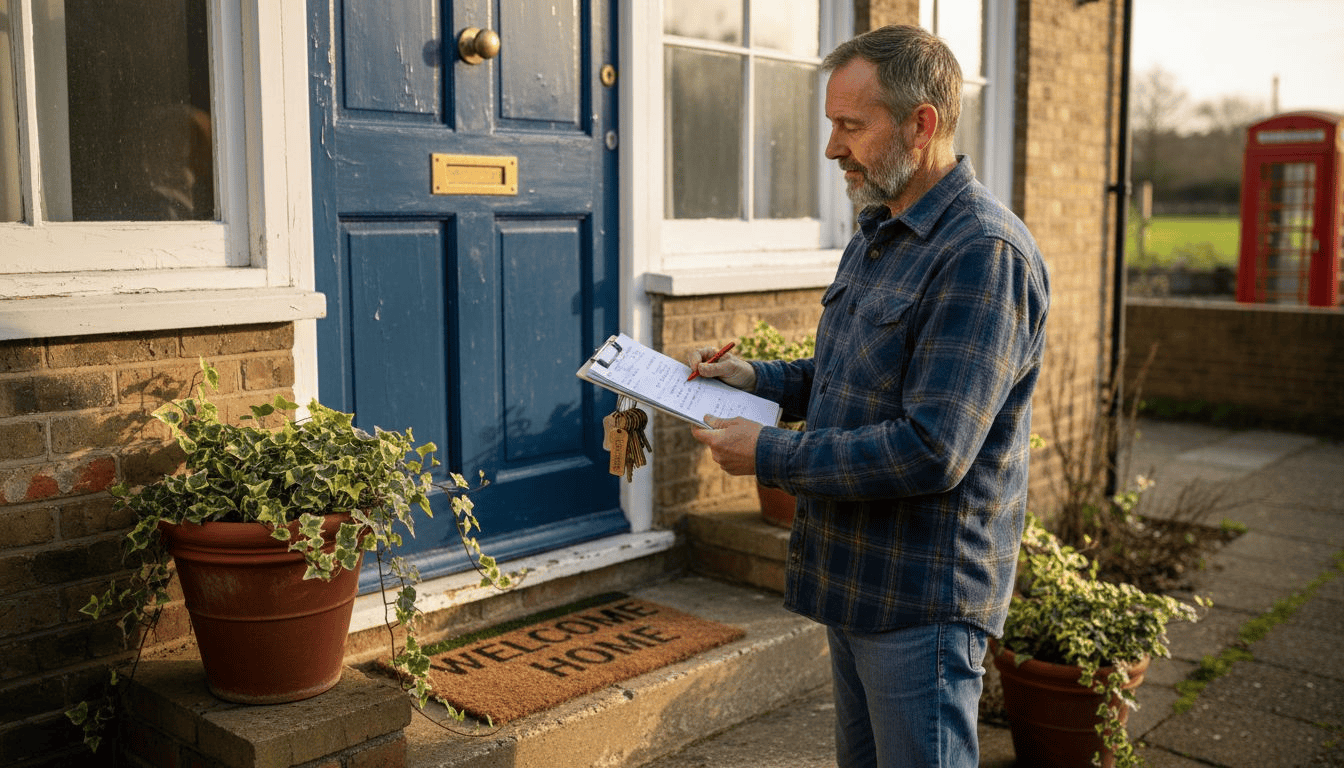
Over half of security breaches in British households result from outdated or poorly maintained locks. Homeowners in areas such as Bristol and South Gloucestershire know that even a minor lapse can put their property at risk. Understanding how to assess your current lock setup, choose proper British Standard locks, and build smart key routines can be the difference between peace of mind and an inconvenient lockout. This guide offers practical steps to strengthen your home’s defenses and keep your family safe.
Table of Contents
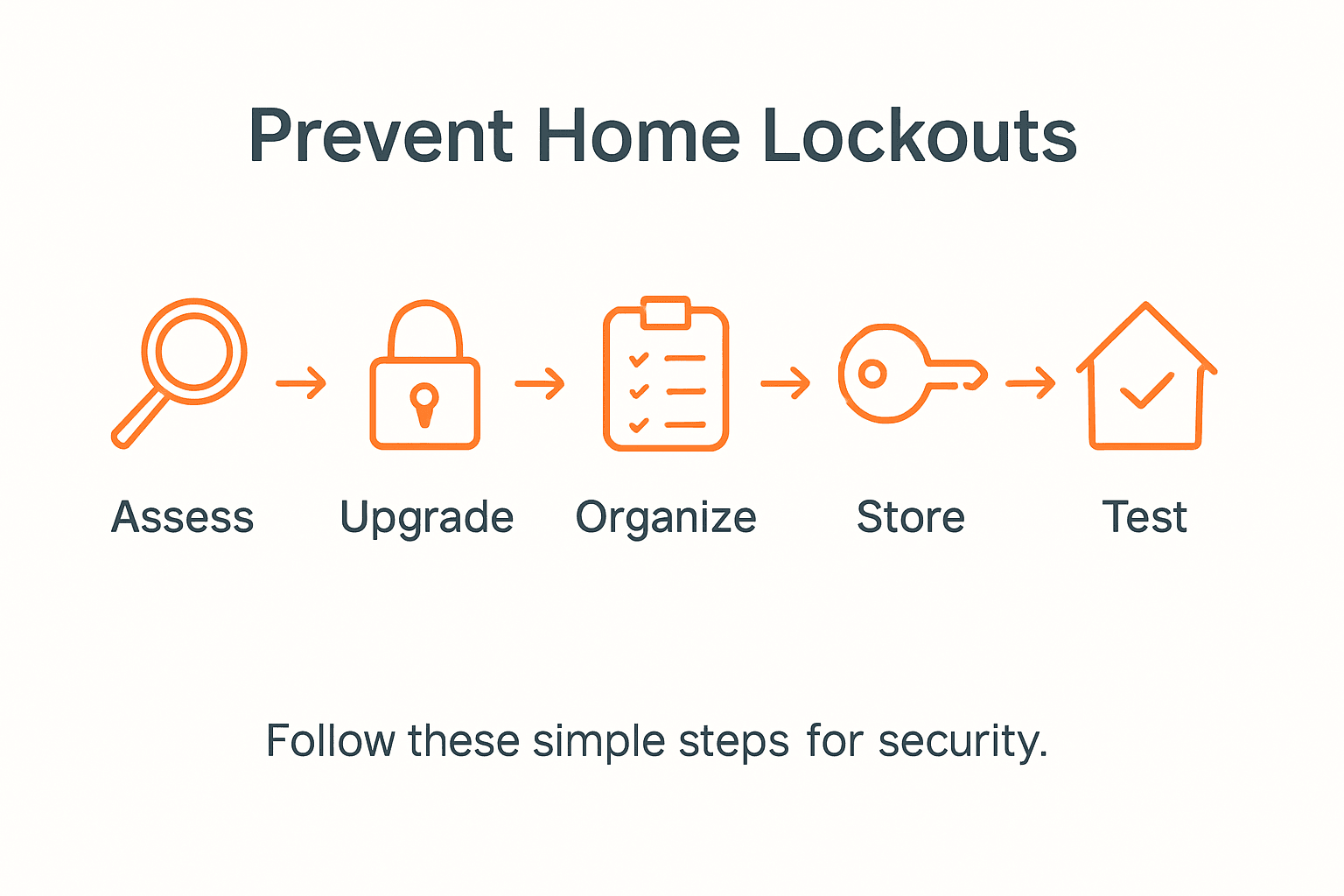
- Step 1: Assess Existing Locks And Entry Points
- Step 2: Upgrade To Reliable British Standard Locks
- Step 3: Organise And Duplicate Essential Keys
- Step 4: Establish Secure Key Storage Routines
- Step 5: Test Access And Verify Preparedness
Quick Summary
| Key Message | Explanation |
|---|---|
| 1. Assess your locks thoroughly | Check all doors and windows for wear and ensure they meet British Standard recommendations to prevent vulnerabilities. |
| 2. Upgrade to British Standard locks | Replace outdated locks with high-quality options like BS 3621 certified locks for enhanced security against break-ins. |
| 3. Manage and duplicate essential keys | Create backups for main keys and track their locations to avoid lockouts and ensure easy access. |
| 4. Establish secure key storage routines | Use a secure safe or cabinet for key storage, out of sight from potential intruders, to protect access points. |
| 5. Test your access and preparedness | Regularly practice emergency access scenarios and verify that all backup keys work smoothly to enhance security. |
Step 1: Assess existing locks and entry points
Securing your home starts with a comprehensive assessment of your current locks and potential entry points. A careful examination will help you identify vulnerabilities and determine necessary upgrades to protect your property effectively.
Begin by walking around your property and systematically checking every exterior door and window. Look for signs of wear, damage, or outdated locking mechanisms that could compromise your home’s security. Routine security checks are crucial for identifying potential weak spots before they become serious risks. Pay close attention to older doors with traditional cylinder locks, wooden frames, or worn mechanisms that might be easier to manipulate.
For each entry point, assess the lock’s condition, age, and resistance to potential tampering. Check if your locks meet current British Standard recommendations, particularly for UPVC doors and windows. Look for signs of rust, loose fittings, or mechanisms that feel stiff or inconsistent when operating. Remember that entry points include not just main doors, but also side gates, back doors, conservatory entrances, and garage access points.
Expert Tip: Keep a detailed written record of your lock assessment, noting specific areas that might need professional inspection or replacement to ensure comprehensive home security.
Step 2: Upgrade to reliable British Standard locks
Upgrading to reliable British Standard locks is a critical step in preventing potential home security vulnerabilities. This process involves selecting high-quality locks that meet stringent national security specifications and provide robust protection for your property.
When selecting new locks, prioritise British Standard approved hardware that offers superior resistance against common break-in techniques. Look specifically for locks marked BS 3621, which indicates they have passed rigorous testing for durability and security. These locks typically feature anti-pick, anti-drill, and anti-bump mechanisms that significantly enhance your home’s defensive capabilities. Consider replacing traditional cylinder locks with modern multipoint locking systems for UPVC doors, and ensure that wooden doors receive appropriate high-security cylinder replacements.
Pay special attention to different entry points such as front doors, back doors, and side entrances. Each location might require a specific lock type depending on the door material and potential vulnerability. For wooden doors, seek robust mortice locks with at least five lever mechanisms, while UPVC doors benefit from dedicated euro cylinder locks designed to prevent snap attacks. Professional locksmiths can provide tailored recommendations based on your specific property characteristics.
Here is a summary of key lock types and their main security features:
| Lock Type | Typical Application | Key Security Features |
|---|---|---|
| Mortice Lock | Wooden front/back doors | Five-lever, anti-pick design |
| Euro Cylinder | UPVC doors/windows | Anti-snap, anti-bump, anti-drill |
| Multipoint System | Modern front/back doors | Multiple bolts, robust locking |
| Rim Cylinder | Outbuildings, gates | Easy replacement, moderate security |
Expert Tip: Always purchase locks from reputable manufacturers and consider professional installation to ensure maximum security and warranty protection.
Step 3: Organise and duplicate essential keys
Effective key management is crucial for preventing unexpected lockouts and ensuring you always have access to your property. This step involves creating a strategic system for tracking, storing, and duplicating your most important keys.
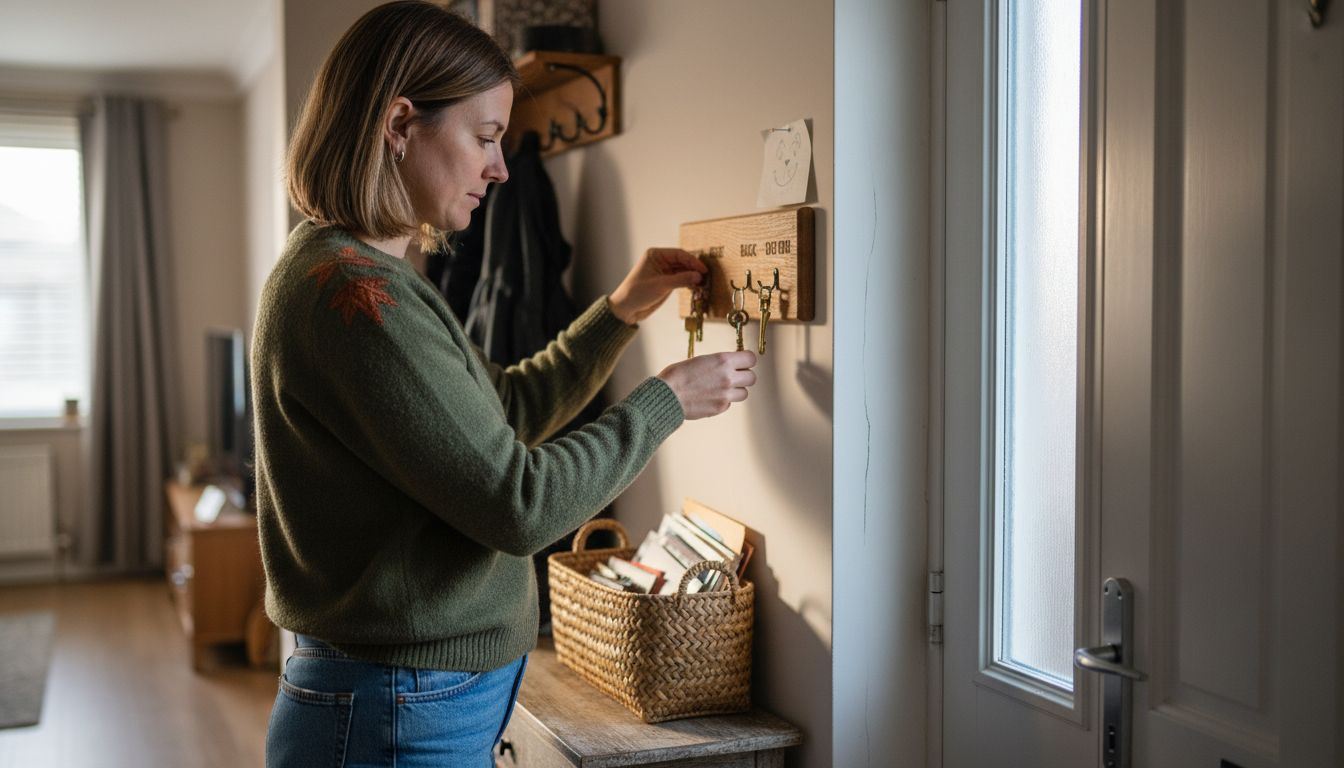
Start by identifying your primary keys and creating backup copies through a reliable key duplication service. Prioritise creating spare keys for your main entrance, back door, and any secondary access points. Consider using different coloured key tags or a labelling system to quickly distinguish between keys and prevent confusion. Store duplicate keys in secure locations such as a locked drawer, a home safe, or with a trusted family member or neighbour who lives nearby. This approach ensures you have multiple access options if your primary set is misplaced or damaged.
Implement a key tracking method that works for your household. This might involve using a key hook near your entrance, maintaining a digital inventory of key locations, or using a smart key tracking device. For shared households, establish clear protocols about key management, such as designating specific spots for returning keys and communicating about key movements. Remember to periodically review your key collection, removing outdated keys and updating duplicates as lock mechanisms change.
Expert Tip: Create digital photographs of your key collection as a backup reference and store these images securely in a password-protected location.
Step 4: Establish secure key storage routines
Creating robust key storage practices is essential for maintaining home security and preventing potential breaches. This step focuses on developing systematic approaches to protect and manage your keys effectively.
Invest in a secure domestic safe or key cabinet that meets police recommended security standards. Choose a location that is not immediately obvious to potential intruders. Avoid storing keys near windows, entrance areas, or in easily accessible spots like hallway consoles. Instead, consider concealing your key storage in a locked drawer, a dedicated home safe, or a discreet wall-mounted key cabinet that blends seamlessly with your home decor. Ensure that family members understand and follow the established key storage protocols to maintain consistency.
This table highlights essential key storage solutions and their advantages:
| Storage Option | Security Level | Main Advantages |
|---|---|---|
| Home Safe | Very high | Fire/water resistant, concealed |
| Lockable Drawer | Moderate | Easy access, low profile |
| Key Cabinet | High | Organised, wall-mounted |
| With Trusted Person | Depends on person | Off-site backup, emergency access |
Develop a household routine for key management that includes regular inventory checks and strict tracking procedures. This might involve creating a digital spreadsheet to log key locations, establishing designated return spots for keys, and implementing a sign-out system for shared keys. For households with multiple occupants, consider colour coding or personalised key tags to help everyone track their own set. Regularly review and update your key storage system, removing outdated keys and ensuring that only current, necessary keys are kept in your secure storage location.
Expert Tip: Photograph your key storage setup from different angles and store these images securely as a reference for household members.
Step 5: Test access and verify preparedness
Verifying your home access strategies and emergency preparedness is crucial for preventing unexpected lockouts and ensuring smooth entry in various scenarios. This step involves conducting systematic tests of your key management and entry protocols.
Routinely test all security measures and emergency access procedures to identify potential vulnerabilities. Simulate different lockout scenarios by practising entry with spare keys during daylight hours. Ensure every household member understands and can execute the emergency access plan. This might involve walking through scenarios such as losing primary keys, experiencing lock mechanism failure, or needing alternative entry methods. Test each backup key systematically, checking that they work smoothly in all relevant locks without requiring excessive force or causing potential damage.
Create a comprehensive emergency access plan that includes multiple contingencies. Document key locations, designate trusted neighbours or family members who can provide backup access, and maintain a list of professional locksmith contacts. Practice your emergency protocols quarterly, rotating responsibilities among household members to ensure everyone remains familiar with the procedures. Pay special attention to verifying the functionality of spare keys, checking lock mechanisms, and confirming that your key storage and retrieval systems work efficiently under different conditions.
Expert Tip: Schedule a quarterly family lockout drill to keep everyone practised and confident in emergency access procedures.
Secure Your Home and Prevent Lockouts with AHLP Locksmiths
Lockouts and lost keys can cause immense stress and compromise your home’s security. This article highlights crucial steps, such as upgrading to British Standard locks and organising your keys wisely to prevent these frustrating situations. AHLP Locksmiths understands these challenges and offers expert solutions tailored to your needs, including emergency lockout assistance and high-quality lock upgrades.
If you want peace of mind knowing your home is fully protected and that help is just a call away, trust our experienced team. Whether you need quick support from our Emergency Locksmith – Auto Home Lock Pro service or comprehensive security upgrades via our Local Locksmith – Auto Home Lock Pro experts, we provide fast, professional, and non-destructive solutions. Don’t wait for an emergency to act. Contact us today at AHLP Locksmiths and secure your property with confidence.
Frequently Asked Questions
How can I assess the security of my existing locks and entry points?
Begin by systematically inspecting every exterior door and window for signs of wear, damage, or outdated locking mechanisms. Take note of any vulnerabilities and consider scheduling a professional inspection if necessary.
What types of locks should I upgrade to for improved security?
Upgrade to British Standard-approved locks, particularly those marked BS 3621, which offer resistance to common break-in techniques. Replace traditional cylinder locks with modern multipoint locking systems for enhanced security.
How can I manage and duplicate my essential keys effectively?
Identify your primary keys and make backup copies for each critical entry point. Store these keys securely, using a labelling system to differentiate them, and consider keeping duplicates with a trusted neighbour or family member.
What key storage solutions can I implement to prevent lockouts?
Invest in a secure safe or locked cabinet for your keys, ensuring it is kept in a discreet and non-obvious location. Regularly review your key storage methods to keep track of all keys and remove outdated ones to prevent confusion.
How do I test my access protocols to ensure I am prepared for an emergency?
Conduct routine tests of your key management and emergency access procedures by simulating different lockout scenarios. Create an emergency access plan and practice it quarterly, ensuring that everyone in your household is familiar with their roles and responsibilities.