
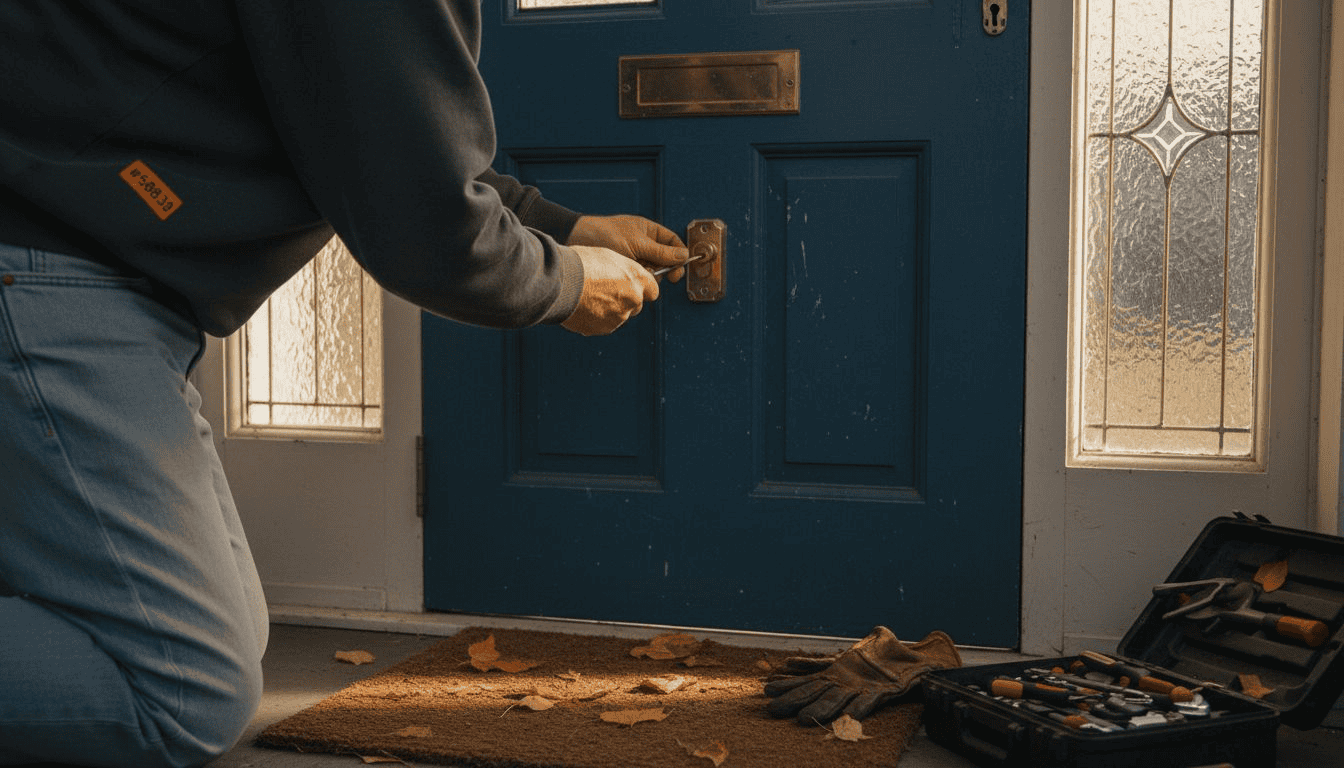
Most break-ins across British homes start with weak locks and forgotten security checks. For homeowners in Bristol and South Gloucestershire, safeguarding your property means more than just locking up each night. Effective locksmith strategies and the latest British Standard security products can make a dramatic difference. This guide provides practical solutions and clear tips to help you prevent unwanted access and manage your door and window security with confidence.
Table of Contents
- Inspect And Upgrade All Entry Door Locks
- Secure Your Windows With Reliable Locks
- Maintain Garage Door And Outbuilding Security
- Replace Lost Or Damaged Keys Promptly
- Install Anti-Snap And British Standard Locks
- Arrange Regular Locksmith Security Assessments
- Keep Emergency Locksmith Contact Details Handy
Quick Summary
| Takeaway | Explanation |
|---|---|
| 1. Inspect and upgrade all door locks. | Ensure all entry doors have high-quality locks to reduce burglary risks significantly. Regular checks are essential for optimal security. |
| 2. Secure windows with reliable locking mechanisms. | Evaluate and upgrade window locks to protect against home intrusions, as windows are common entry points for intruders. |
| 3. Conduct regular security assessments. | Schedule annual reviews with a locksmith to identify vulnerabilities and adjust security measures as needed to stay protected. |
| 4. Promptly replace lost or damaged keys. | Act quickly to replace or rekey locks when your keys are lost or damaged to prevent potential unauthorised access to your home. |
| 5. Keep emergency locksmith contacts handy. | Store emergency locksmith details in multiple accessible locations to ensure quick assistance during lock-related crises. |
1. Inspect and Upgrade All Entry Door Locks
Your home’s security begins with its primary entry points, securing all doors with high-quality locks. Most homeowners do not realise how vulnerable their existing door locks might be to potential break-ins.
Inspecting and upgrading your door locks is more than a simple maintenance task. It is a critical security strategy that can dramatically reduce the risk of burglary. British Standard locks provide significant protection and are recommended by security experts across the United Kingdom.
When conducting a thorough lock inspection, look for signs of wear, rust, or damage. Check the mechanism’s smoothness, ensure keys turn easily, and examine the lock frame for any structural weaknesses. Comprehensive lock maintenance involves understanding different lock types and their specific security requirements.
Consider upgrading to British Standard BS3621 approved locks, which insurance companies often recommend. These locks feature anti-snap technology, making them considerably more resistant to forced entry techniques used by criminals. Pay special attention to front and back doors, as these are typically the most common entry points for intruders.
For comprehensive protection, assess not just your main entry doors but also side entrances, patio doors, and garage access points. Each potential entry requires careful evaluation and potentially upgraded security mechanisms.
Key areas to inspect include:
- Door frame integrity
- Lock barrel condition
- Key functionality
- Wear and tear on the locking mechanism
- Overall structural strength
Expert tip: Schedule a professional security assessment annually to ensure your home’s locks remain in optimal condition and meet current security standards.
2. Secure Your Windows with Reliable Locks
Window locks are often overlooked when considering home security. Yet windows represent a significant vulnerability for potential home intrusions, making their protection absolutely critical for homeowners.
Securing your windows goes beyond simply having a basic locking mechanism. Modern security requires understanding different window lock types and their specific protective capabilities. Homeowners should carefully evaluate their existing window lock systems to identify potential weaknesses and upgrade accordingly.
Window Lock Types to Consider:
- Espagnolette locks
- Shootbolt locks
- Keyed window locks
- Multi-point locking systems
When selecting window locks, prioritise British Standard-approved hardware that meets current security regulations. These locks provide enhanced resistance against forced entry techniques and offer insurance-approved protection. Look for locks specifically designed for different window materials such as uPVC, wooden, and aluminium frames.
Additionally, FENSA certificates provide crucial verification that window installations comply with UK Building Regulations. These certificates not only confirm proper installation but also ensure that your window locks meet contemporary security standards.
Regular maintenance is equally important. Inspect window locks for signs of wear, rust, or mechanical issues. Lubricate moving parts annually and replace any damaged components immediately to maintain optimal security performance.
Expert advice: Consider installing window restrictors alongside robust locks to prevent windows from being fully opened, providing an additional layer of security for ground-floor and easily accessible windows.
3. Maintain Garage Door and Outbuilding Security
Garage and outbuilding security is often an overlooked aspect of home protection. Many homeowners mistakenly believe these secondary structures require less attention compared to the main residential entry points.
Understanding comprehensive security strategies for garages and outbuildings is crucial for protecting valuable tools, equipment, and potentially secondary entry points to your property.
Key Security Components for Garages and Outbuildings:
- High-quality padlocks
- Robust door hinges
- Secure locking mechanisms
- Exterior lighting
- Alarm systems
When selecting locks for garage doors, prioritise models specifically designed for external use. These locks must withstand weather conditions and potential tampering attempts. Look for British Standard-approved hardware that offers superior protection against forced entry.
Regular maintenance is essential. Inspect door frames, hinges, and locking mechanisms for signs of wear or potential vulnerability. Replace any corroded or damaged components immediately to maintain optimal security standards.
Consider additional deterrents like motion sensor lights and visible security signage. These psychological barriers can discourage potential intruders from targeting your outbuildings.
Expert recommendation: Conduct a comprehensive security audit of your garage and outbuildings every six months, checking locks, structural integrity, and updating security measures as needed.
4. Replace Lost or Damaged Keys Promptly
Lost or damaged keys represent more than an inconvenience. They are a potential security vulnerability that could compromise your entire home protection system.
Addressing key replacement quickly and professionally is critical for maintaining home security and preventing potential unauthorised access. When keys become damaged or disappear, immediate action protects your property and family.
Warning Signs Requiring Immediate Key Replacement:
- Visibly worn or bent keys
- Keys that no longer turn smoothly in locks
- Misplaced keys with uncertain disposal
- Potential key copies in unknown hands
- Significant scratches or deformation
Professional locksmiths recommend creating duplicate keys and maintaining a secure record of key distribution. This strategy helps track potential security risks and ensures you always have a backup for emergencies.
If a key is permanently lost, consider rekeying your locks entirely. This process involves changing the internal mechanism so that previous keys become ineffective, providing comprehensive security protection.
Responsible key management also means proper disposal. Recycling old metal keys through appropriate channels helps minimise environmental impact while maintaining personal security.
Expert recommendation: Keep a secure, confidential log of key copies and their current holders, updating this record whenever keys are distributed or replaced.
5. Install Anti-Snap and British Standard Locks
Modern home security demands more than traditional locking mechanisms. Anti-snap and British Standard locks represent a sophisticated defence against increasingly sophisticated burglary techniques.
Understanding advanced lock security features helps homeowners make informed decisions about protecting their properties. Anti-snap locks specifically prevent criminals from breaking cylinder locks through a technique called lock snapping.
Key Features of Superior Locks:
- British Standard BS3621 certification
- Anti-snap technology
- Reinforced metal construction
- Multiple locking points
- Drill-resistant materials
British Standard locks undergo rigorous testing to ensure maximum security. These locks meet specific criteria established by national safety organisations, providing homeowners with verified protection against intrusion attempts.
When selecting locks, prioritise quality over cost. Invest in locks with visible security ratings and certifications. Look for BS3621 markings, which indicate the lock has passed comprehensive security assessments.
Consider professional installation to ensure optimal performance. Incorrectly fitted locks can compromise their inherent security features, rendering advanced technologies ineffective.
Expert recommendation: Always purchase locks from reputable manufacturers and have them installed by qualified professionals to maximise home security effectiveness.
6. Arrange Regular Locksmith Security Assessments
Home security is not a one-time installation but an ongoing process of evaluation and improvement. Regular locksmith security assessments provide a strategic approach to protecting your property against evolving threats.
Systematic security reviews help identify potential vulnerabilities before they become critical security risks. Professional locksmiths can detect weaknesses that might go unnoticed by untrained eyes.
Key Components of a Comprehensive Security Assessment:
- Detailed lock mechanism inspection
- Evaluation of entry point vulnerabilities
- Assessment of current security hardware
- Recommendations for potential upgrades
- Analysis of potential security risks
Professional locksmiths bring expert knowledge about current security technologies and potential intrusion methods. They understand how criminals might exploit weak points in your home’s security infrastructure.
Recommended Assessment Frequency:
- Annually for standard residential properties
- Every six months for properties in higher-risk areas
- Immediately after significant changes to the property layout
- Following neighbourhood security incidents
During an assessment, expect a thorough examination of all locks’ mechanical integrity, potential wear and tear, and recommendations for upgrades that align with current security standards.
Expert recommendation: Schedule your security assessment during quieter months and maintain a written record of previous assessments to track your home’s security evolution.
7. Keep Emergency Locksmith Contact Details Handy
Emergencies rarely announce themselves in advance. Having immediate access to a reliable emergency locksmith can transform a potential crisis into a quickly resolved situation.
Understanding the importance of emergency locksmith services means recognising that lock emergencies can happen at the most unexpected moments. Whether you are locked out, experiencing a security breach, or facing mechanical lock failure, a quick response is crucial.
Where to Store Emergency Locksmith Contact Details:
- Digital contact list on a mobile phone
- Physical emergency contact card in wallet
- Saved in home emergency kit
- Shared with trusted family members
- Written inside the kitchen cupboard
The British Red Cross recommends maintaining a physical copy of emergency contact numbers in case of technological failures. Consider creating a waterproof, laminated card with your locksmith’s contact information.
Ensure your emergency contact details include:
- 24-hour phone number
- Mobile number
- Company name
- Alternative contact method
Modern technology offers multiple backup methods. Save your locksmith’s number in multiple locations to ensure you can always access help when needed.
Expert recommendation: Programme your emergency locksmith number as a favourite contact and share it with household members to ensure everyone knows whom to call during a lock emergency.
Below is a comprehensive table summarising the key strategies and practices to enhance and maintain robust home security as discussed in the article.
| Topic | Key Recommendations | Benefits |
|---|---|---|
| Inspect and Upgrade Door Locks | Evaluate lock condition for wear, upgrade to British Standard BS3621 locks | Increased resistance to forced entry and compliance with insurance standards |
| Secure Windows with Reliable Locks | Install robust, certified locks tailored to window materials | Enhanced deterrence to attempted break-ins |
| Garage and Outbuilding Security | Utilise padlocks, reinforced hinges, and adequate lighting | Protection of valuables and secondary entry points |
| Replace Lost or Damaged Keys Promptly | Employ professional rekeying services to counter potential misuse | Restored security and prevention of unauthorised access |
| Install Anti-Snap and British Standard Locks | Use locks featuring innovative technologies against tampering | Advanced defence against intrusion |
| Regular Locksmith Security Assessments | Schedule professional check-ups annually or periodically | Early detection and prevention of security vulnerabilities |
| Keep Emergency Locksmith Contact Details Handy | Maintain vital locksmith contact information in multiple secure locations | Immediate assistance during unforeseeable emergencies |
By following these practices, homeowners can establish a secure and protective environment for their property and loved ones.
Ensure Your Home’s Security with Trusted Locksmith Experts
The article highlights crucial steps every homeowner should take to protect their property, starting with inspecting locks, upgrading to British Standard models, and maintaining key security. If you are concerned about window locks, garage security, or lost keys, these challenges require professional solutions that guarantee peace of mind. AHLP Locksmiths specialises in providing comprehensive Locksmith Services – Auto Home Lock Pro across Bristol, South Gloucestershire and Gloucester with expert knowledge on anti-snap and insurance-approved hardware.
Don’t leave your home’s security to chance. Discover how our local team can help you upgrade locks, conduct security assessments and quickly replace lost or damaged keys. For urgent issues, explore our reliable Emergency Locksmith – Auto Home Lock Pro services designed for fast response when you need it most. Protect your home starting today by contacting AHLP Locksmiths at https://ahlp.co.uk/contact/ to arrange a security consultation and secure your family’s future.
Frequently Asked Questions
How often should I inspect my door locks for security?
Regularly inspect your door locks at least once a year. Check for signs of wear or damage, and replace any faulty locks promptly to maintain optimal security in your home.
What is the benefit of upgrading to British Standard locks?
Upgrading to British Standard locks provides enhanced protection against forced entry methods. These locks often meet insurance requirements and help to deter potential burglars.
How do I maintain my window locks for improved security?
To maintain your window locks, examine them for rust or mechanical issues and lubricate moving parts annually. Additionally, replace any damaged locks immediately to ensure robust security for your windows.
What should I do if I lose my keys?
If you lose your keys, act quickly by considering rekeying your locks to prevent unauthorised access. Additionally, keep a secure record of key distribution to track who has copies of your keys.
How can I enhance the security of my garage and outbuildings?
Enhance the security of your garage and outbuildings by installing high-quality locks and robust door hinges. Consider additional security measures such as motion sensor lights and alarm systems for added protection.
Why is it important to have emergency locksmith contact details?
Having emergency locksmith contact details readily available ensures a quick response during lockout situations or security breaches. Store these details in multiple locations to ensure they are accessible when needed.