

Every year, thousands of British homeowners and office managers across Bristol and Gloucester face unexpected lockouts, risking both safety and productivity. Quick action during an emergency can make all the difference, especially when security and access matter most. This guide highlights critical steps to handle lockout situations confidently, from assessing your environment to restoring robust security. Discover practical advice and expert protocols that help protect your property while avoiding unnecessary risks.
Table of Contents
- Stage 1: Assess The Lockout Situation Safely
- Stage 2: Contact A Professional Locksmith Immediately
- Stage 3: Confirm Identity And Authorise Entry
- Stage 4: Supervise Non-destructive Entry Methods
- Stage 5: Verify Security And Restore Access
Quick Summary
| Important Point | Explanation |
|---|---|
| 1. Assess Safety First | Evaluate your lockout situation to identify risks and determine safe re-entry options without forcing entry. |
| 2. Contact a Professional Locksmith | Immediately reach out to a qualified locksmith for rapid and safe access to your property. |
| 3. Confirm Your Identity | Provide proper identification to verify your ownership or tenancy before gaining entry. |
| 4. Supervise Entry Methods | Ensure that non-destructive techniques are used during the locksmith’s entry to avoid property damage. |
| 5. Verify and Enhance Security | After entry, check the lock’s functionality and discuss potential security upgrades with the locksmith for better protection. |
Stage 1: Assess the Lockout Situation Safely
When confronted with a lockout scenario, your first priority is understanding the specific circumstances safely and strategically. Pausing to evaluate safety parameters will help prevent potential risks and determine the most appropriate response.
Careful assessment involves examining several critical factors. First, determine whether you are locked out of your property externally or internally. Check which doors remain accessible and assess any immediate environmental conditions that might impact your re-entry strategy. Consider weather conditions, time of day, and whether anyone else might have a spare key. Look for potential alternative entry points without compromising property security, such as secondary doors or accessible windows. If you are a tenant, contact your landlord or property management immediately for authorised access.
Should your initial assessment suggest potential complications or security concerns, resist attempting forced entry. Professional locksmiths like AHLP can provide safe, non-destructive entry methods that protect both your property and its locking mechanisms.
Expert Recommendation: Always keep a trusted locksmith’s contact information readily available to handle unexpected lockout situations efficiently.
Stage 2: Contact a Professional Locksmith Immediately
Once you have assessed your lockout situation, your next critical step is establishing immediate contact with a qualified professional locksmith. Professional intervention ensures safe, non destructive entry without risking damage to your property or compromising security.
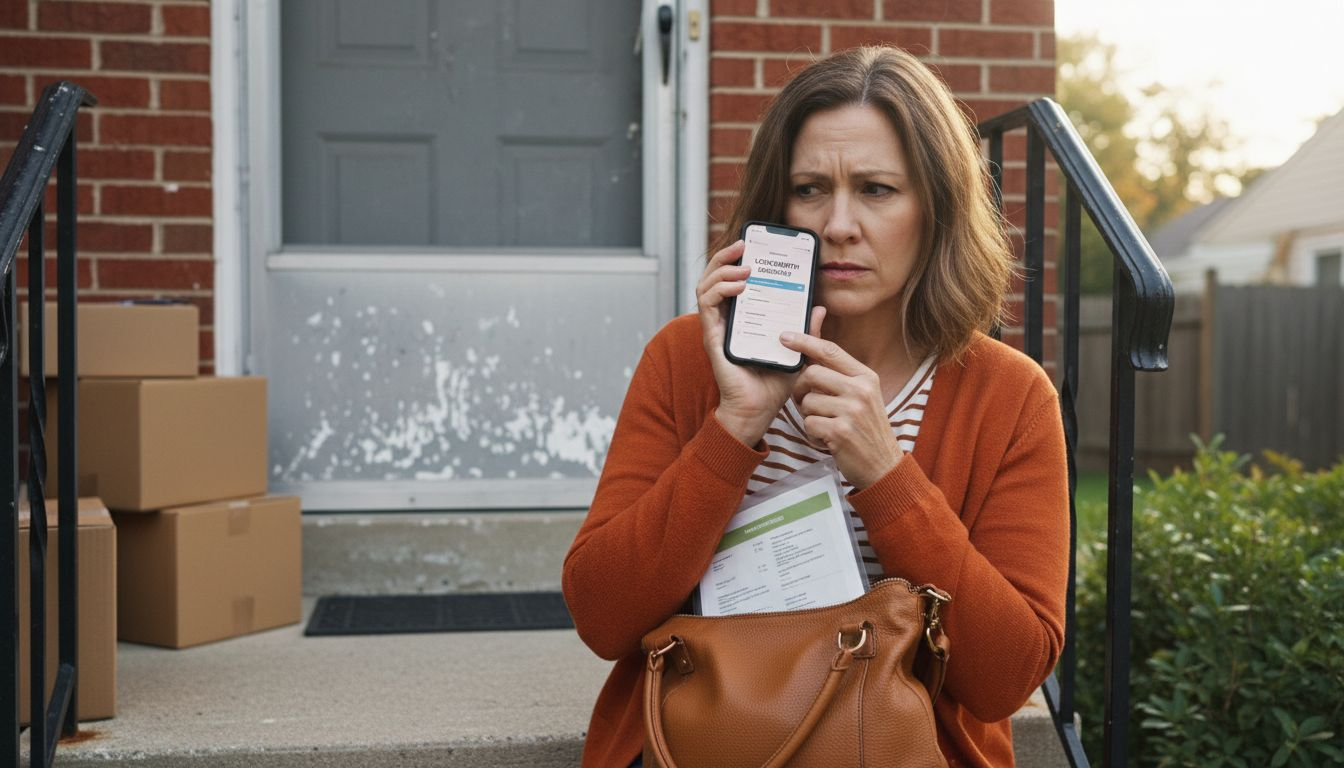
When selecting a locksmith, prioritise finding emergency locksmith solutions that offer rapid response times and comprehensive service. Ideally, choose a local locksmith who can arrive quickly and has experience handling various property types. Provide precise information about your location, the type of lock you are dealing with, and any specific circumstances that might impact entry. Keep your contact details and property address readily available to expedite the process.
Most professional locksmiths like AHLP offer 24/7 emergency callout services, understanding that lockouts can occur at any time. They will typically ask about your identification to verify you have legitimate access to the property, a standard security protocol designed to protect homeowners and tenants.
Top Recommendation: Always save your preferred locksmith’s emergency contact number in your mobile phone and keep a backup written copy in a secure location.
Stage 3: Confirm Identity and Authorise Entry
Confirming your identity is a crucial step in the emergency locksmith process to ensure property security and protect both the homeowner and the professional service provider. This verification process helps prevent potential property intrusions and validates your legitimate right of access.
Be prepared to provide multiple forms of verification documentation that demonstrate your connection to the property. This typically includes a government-issued photo identification, proof of address such as a utility bill, and potentially additional documentation like a tenancy agreement or property deed. If you are a tenant, have your landlord or property management contact information ready to confirm your authorisation. For shared properties or complex living situations, be prepared to explain your specific circumstances clearly and provide any necessary additional verification.
The locksmith will conduct a professional and respectful verification process, asking specific questions to confirm your identity and relationship to the property. They may request to speak directly with a property owner or authorised representative if there are any uncertainties. Remember that these steps are designed to protect your property and ensure that only authorised individuals gain entry.
Expert Recommendation: Always keep digital and physical copies of your identification and property documents in an easily accessible location for emergency situations.
Stage 4: Supervise Non-destructive Entry Methods
Non-destructive entry requires careful observation and understanding of the locksmith’s professional techniques to ensure your property remains undamaged during the access process. Your active supervision helps maintain transparency and protects both your property and security infrastructure.
Professional locksmiths employ multiple specialised entry techniques designed to minimise potential damage. These methods might include lock picking, using specialised decoding tools, manipulating lock mechanisms, or carefully removing cylinder locks without compromising the overall door structure. Stay present and attentive during the process, asking questions about their specific approach and watching their methodical work. Pay close attention to the tools they use and ensure they are using professional-grade equipment specifically designed for non-invasive entry.
During the entry process, observe the locksmith’s technique and documentation. Reputable professionals will explain each step of their approach, show you the condition of your existing lock, and provide recommendations for potential future security improvements. They should also offer a detailed explanation of any minor adjustments or repairs needed to restore your lock to full functionality.
Expert Recommendation: Request a brief written report detailing the entry method used and the current condition of your lock mechanism for your personal records.
The following table summarises common non-destructive locksmith entry methods and their typical applications:
| Technique | Typical Use Case | Property Impact |
|---|---|---|
| Lock picking | Standard cylinder locks | No visible damage |
| Decoding tools | High-security lock systems | Maintains lock functionality |
| Lock manipulation | Older or basic mechanism doors | Preserves the original lock |
| Cylinder removal | Faulty or jammed locks | May require minor repairs |
Stage 5: Verify Security and Restore Access
After a successful entry, your primary focus is comprehensively verifying your property’s security and ensuring all locking mechanisms function correctly. This final stage is critical for restoring your sense of safety and preventing potential future access vulnerabilities.
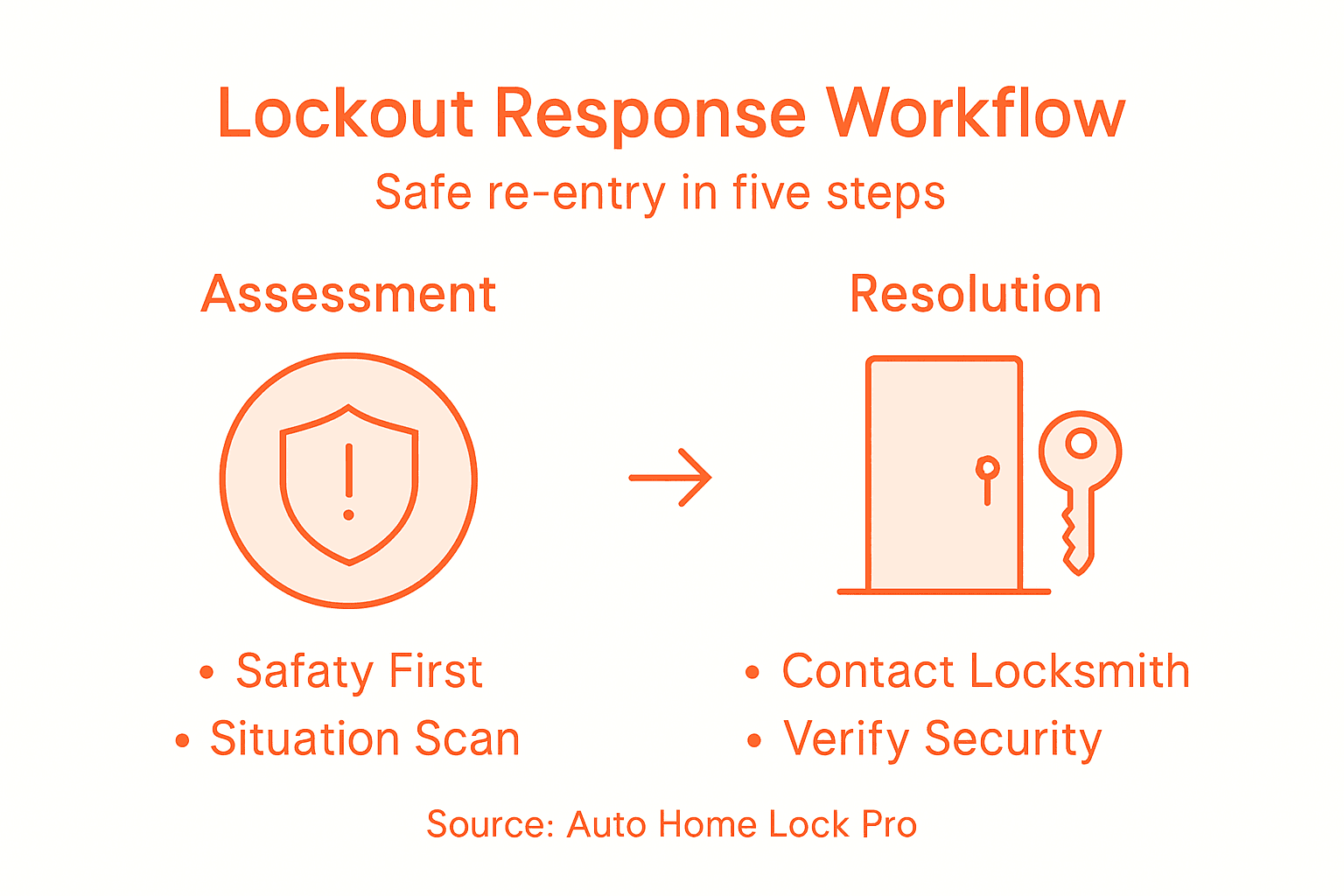
Carefully inspect the lock replacement procedures performed by the professional locksmith. Examine the new or adjusted lock mechanism thoroughly, testing its functionality by opening and closing the door multiple times. Check that the lock aligns perfectly with the door frame, engages smoothly, and provides the same level of security as your original locking system. Request a detailed explanation of any modifications or replacements made during the entry process, and ensure you understand how to operate any new components.
Additionally, take this opportunity to discuss potential security upgrades with the locksmith. Professional technicians can provide valuable insights about improving your property’s overall security, such as recommending additional features like anti-snap locks, reinforced strike plates, or upgraded cylinder mechanisms. Consider their expert recommendations and ask about the latest security technologies that might enhance your property protection.
Expert Recommendation: Photograph the new lock mechanism and keep the locksmith’s service report for your insurance and personal records.
Here is a concise summary of each emergency locksmith stage and its main objective:
| Stage | Main Objective | Key Outcome |
|---|---|---|
| Assess the Lockout Safely | Identify risks and entry options | Ensured personal and property safety |
| Contact Locksmith | Secure professional and rapid support | Swift, expert entry solution |
| Confirm Identity | Verify legal right to access | Protected property against intrusion |
| Supervise Entry Methods | Ensure that non-destructive techniques are used | Lock remains undamaged and secure |
| Verify Security | Restore and improve lock functionality | Enhanced long-term property security |
Fast and Secure Solutions for Emergency Lockouts
Facing an unexpected lockout can be stressful and risky, especially when time is crucial and safety is on the line. This guide highlights the importance of a careful lockout assessment, professional identity verification, and non-destructive entry methods to protect your property and peace of mind. If you want expert help that follows these exact steps, AHLP Locksmiths delivers reliable, efficient, and respected emergency lockout services in Bristol, South Gloucestershire and Gloucester.
For immediate assistance from a local, trusted team, our Emergency Locksmith – Auto Home Lock Pro services provide rapid, expert response using quality British Standard hardware. We prioritise non-destructive methods and thorough security checks to restore your access safely and confidently. Stay safe by choosing a Local Locksmith – Auto Home Lock Pro who values your property’s security and offers transparent pricing without call-out fees. Don’t wait until a lockout catches you unprepared—contact us now at https://ahlp.co.uk/contact/ for prompt, professional support and safeguard your home or business today.
Frequently Asked Questions
What should I do first in a lockout situation?
Your first step in a lockout situation is to assess the circumstances safely. Evaluate which doors are accessible and identify any immediate environmental conditions that could affect your re-entry strategy.
How can I contact a professional locksmith during a lockout?
Contact a qualified professional locksmith immediately to ensure a safe and non-destructive entry. Keep your vehicle’s identification and property address ready to expedite the process.
What forms of identification do I need to provide to the locksmith?
You should be prepared to show multiple forms of identification, such as a government-issued photo ID and proof of address, like a utility bill. Collect these documents beforehand to ensure a smooth verification process.
How can I supervise the locksmith during the entry process?
Stay present during the locksmith’s work and observe their techniques to ensure non-destructive methods are used. Ask them about their approach and take note of the tools they use to ensure they are professional-grade.
What steps should I take after regaining entry to my property?
After gaining entry, thoroughly check the lock’s functionality and discuss any necessary repairs or upgrades with the locksmith. Consider their recommendations for enhancing your property’s overall security.
How can I ensure I am prepared for a future lockout?
Keep a trusted locksmith’s contact information saved in your mobile phone and store a backup written copy in a secure location. This proactive step can significantly reduce your response time in future lockout situations.