

Most British insurance providers invalidate claims if property locks do not meet maintenance standards. For homeowners in Bristol and South Gloucestershire, regular lock care plays a direct role in home security, insurance compliance, and peace of mind. With weather changes and increasing threats, the smallest oversight could leave your property exposed. This guide breaks down practical steps and insights to keep your locks reliable, safe, and compliant with current requirements.
Table of Contents
- What Is Lock Maintenance And Why It Matters
- Types Of Locks And Their Care Needs
- How Lock Maintenance Prevents Security Issues
- Insurance, Legal And Compliance Considerations
- Common Mistakes And Costly Risks To Avoid
Key Takeaways
| Point | Details |
|---|---|
| Importance of Lock Maintenance | Regular maintenance ensures optimal performance and longevity of locks, crucial for home security in Bristol. |
| Types of Locks and Their Care | Different lock types require specific maintenance strategies to prevent vulnerabilities and ensure effective security. |
| Legal and Insurance Implications | Neglecting lock maintenance can lead to legal liabilities and insurance claims being refused, emphasising the need for compliance. |
| Common Mistakes to Avoid | Homeowners should be aware of the risks associated with using inappropriate parts or delaying repairs to avoid significant security breaches. |
What Is Lock Maintenance and Why It Matters
Lock maintenance is the systematic process of inspecting, cleaning, lubricating, and preserving the mechanical components of locks to ensure their optimal performance and longevity. For homeowners in Bristol, understanding lock maintenance goes beyond simple upkeep—it represents a critical aspect of home security and property protection. Regular lock maintenance prevents unexpected failures, reduces potential security risks, and helps protect your property’s most essential entry points.
Proper lock maintenance involves several key activities: cleaning lock mechanisms to remove dirt and debris, lubricating moving parts to prevent friction and wear, checking for signs of mechanical stress or damage, and ensuring all components are functioning smoothly. Locks exposed to Bristol’s variable weather conditions—with high humidity, occasional rain, and temperature fluctuations—are particularly susceptible to gradual degradation. Without routine care, metal components can rust, springs can weaken, and internal mechanisms can become stiff or misaligned, compromising your home’s security.
Beyond mechanical preservation, lock maintenance is a proactive approach to home safety. Preventative maintenance helps identify potential vulnerabilities before they become serious security risks. By scheduling regular inspections and addressing minor issues promptly, homeowners can prevent costly lock replacements and potential break-ins. A well-maintained lock provides consistent performance, reduces the likelihood of unexpected lockouts, and maintains the overall integrity of your home’s security system.
Pro Tip: Schedule a professional lock maintenance check annually, ideally before winter, to ensure your home remains secure and your locks operate smoothly throughout the year.
Types of Locks and Their Care Needs
Bristol homeowners encounter a diverse range of lock types, each requiring specific maintenance approaches to ensure optimal security and performance. Types of home locks vary significantly, from traditional mortice locks commonly found in period properties to modern cylinder and digital electronic locks prevalent in newer constructions. Understanding the unique characteristics of each lock type is crucial for developing an effective maintenance strategy that protects your property.
Traditional mortice locks, typically used in wooden doors, demand careful attention to their internal mechanical components. These locks require periodic lubrication of the lock mechanism, careful cleaning to remove accumulated dust and debris, and inspection of the strike plate to ensure precise alignment. In contrast, cylinder locks—popular in UPVC doors—need different maintenance techniques. Their precision mechanisms are more sensitive to dirt and require specialised cleaning techniques to prevent internal wear and potential failure. Door lock maintenance involves checking the cylinder’s smooth rotation, verifying key insertion functionality, and ensuring no internal components have become misaligned or damaged.
Electronic and smart locks represent a more advanced category requiring unique maintenance considerations. These sophisticated security systems need regular battery checks, firmware updates, and careful cleaning of electronic contacts and touchpads. Unlike traditional mechanical locks, electronic locks rely on both mechanical and digital components, making their maintenance more complex. Homeowners should pay particular attention to moisture protection, battery health, and periodic professional inspections to maintain their advanced security features.
Pro Tip: Rotate your keys annually and keep a spare set in a secure location to prevent unexpected lockouts and identify potential lock wear before critical failures occur.
Here’s a comparison of common lock types and their typical maintenance challenges for Bristol properties:
| Lock Type | Key Care Challenge | Maintenance Frequency | Risk if Neglected |
|---|---|---|---|
| Mortice Lock | Internal dust build-up | Every 6-12 months | Jammed mechanism, door misalignment |
| Cylinder Lock | Precision component wear | Every 6 months | Lock failure, increased break-in threat |
| Electronic/Smart | Battery depletion & moisture | Quarterly | System malfunction, remote access loss |
How Lock Maintenance Prevents Security Issues
Lock maintenance is a critical defensive strategy that directly prevents potential security breaches in Bristol homes. Proactively addressing lock vulnerabilities stops criminals from exploiting weak points in your property’s first line of defence. Building security strategies require consistent attention to mechanical and structural elements, with locks playing a pivotal role in protecting your home against unauthorised entry.
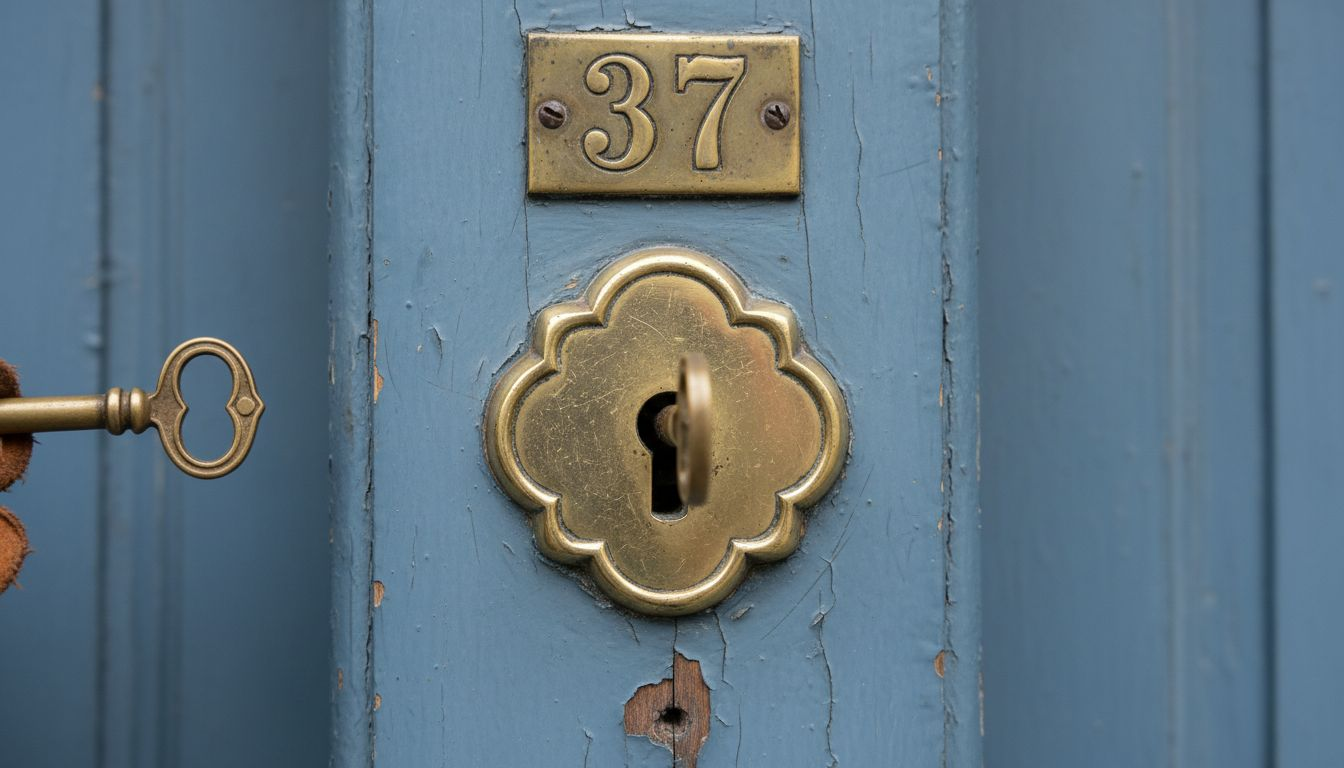
Wear and tear can compromise lock integrity over time, creating opportunities for potential intruders. Routine maintenance helps identify early signs of mechanical weakness, such as loose strike plates, worn cylinder mechanisms, or damaged key interfaces. By detecting these vulnerabilities before they become critical, homeowners can repair or replace locks strategically, eliminating potential entry points. Security threat prevention involves understanding how minor mechanical defects can become significant security risks if left unaddressed.
Modern security approaches recognise that lock maintenance extends beyond physical repair. Electronic and smart lock systems require firmware updates, battery checks, and periodic professional assessments to maintain their protective capabilities. Criminals often exploit technological vulnerabilities, so keeping digital lock systems current is as important as maintaining traditional mechanical locks. This holistic approach ensures comprehensive protection, combining mechanical reliability with advanced technological safeguards.
Pro Tip: Conduct a thorough lock inspection every six months, paying special attention to signs of rust, misalignment, or difficulty in key rotation, which could indicate potential security weaknesses.
Insurance, Legal and Compliance Considerations
Bristol homeowners must understand that lock maintenance is not just about security, but also about meeting critical legal and insurance requirements. Property management standards dictate that consistent lock upkeep is essential for maintaining insurance coverage and avoiding potential legal liabilities. Insurance providers typically require homeowners to demonstrate proactive maintenance and adherence to established security protocols.
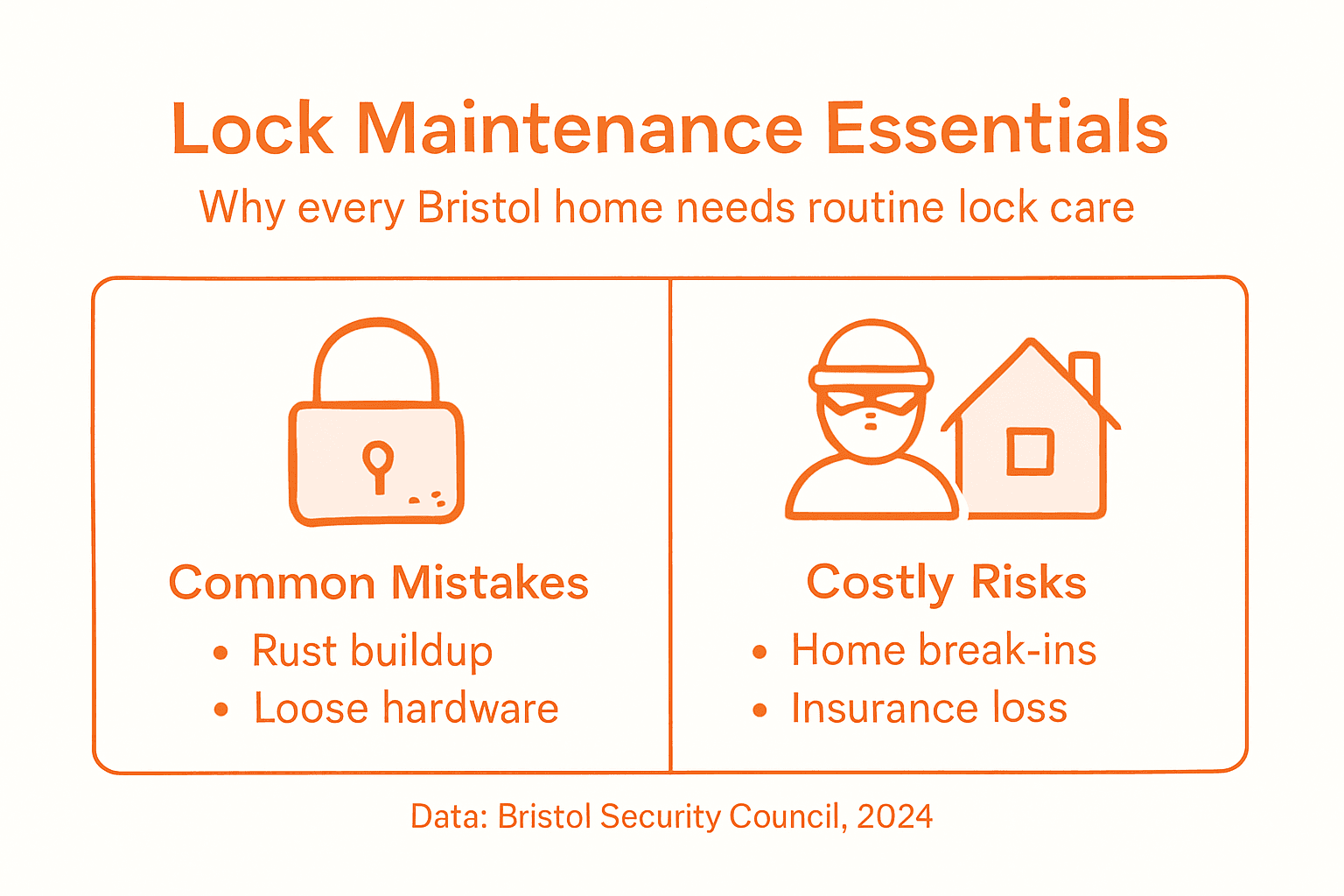
Legal frameworks impose specific obligations on property owners regarding security infrastructure. Failure to maintain locks can result in significant consequences, including potential negligence claims and invalidated insurance policies. The law expects homeowners to take reasonable precautions to prevent unauthorised access, which means regularly inspecting and maintaining locks to industry standards. Legal security responsibilities encompass not just mechanical functionality, but also ensuring that locks meet current safety and security regulations.
Insurance compliance requires more than simply having locks installed. Providers often mandate specific lock types, such as British Standard-approved locks, and may conduct detailed assessments of a property’s security measures. This means homeowners must not only maintain their locks but also ensure they meet precise technical specifications. Some insurance policies require documented evidence of lock maintenance, professional inspections, and upgrades to remain valid, transforming lock care from an optional task to a critical financial and legal requirement.
Pro Tip: Request an annual security assessment from a professional locksmith to document your lock maintenance efforts and potentially reduce your insurance premiums.
The table below summarises the links between legal, insurance, and maintenance requirements for UK homeowners:
| Requirement | Homeowner Obligation | Potential Consequence |
|---|---|---|
| Insurance Policy | Maintain locks to policy standard | Refused claim after burglary |
| Legal Compliance | Regular lock inspection & repair | Liability for unauthorised entry |
| Regulatory Update | Meet British Standards | Fines or invalidated coverage |
Common Mistakes and Costly Risks to Avoid
Homeowners often underestimate the potential consequences of neglecting lock maintenance, exposing themselves to significant security and financial risks. Risk management strategies emphasise the importance of proactive identification and mitigation of potential lock-related vulnerabilities. Ignoring early warning signs can transform minor mechanical issues into major security breaches that compromise both property safety and personal well-being.
One of the most critical errors Bristol homeowners make is delaying lock repairs or using inappropriate replacement parts. Cheap, non-standard lock mechanisms might seem cost-effective initially but can create substantial vulnerabilities. Using locks that do not meet British Standard specifications can invalidate insurance policies, increase break-in risks, and potentially lead to legal complications if a security incident occurs. Professional locksmiths recommend investing in quality locks and addressing mechanical wear immediately to prevent cascading security failures.
Maintenance planning approaches reveal that reactive maintenance is far more expensive than preventative care. Common mistakes include attempting DIY lock repairs without proper knowledge, ignoring subtle signs of mechanical stress, and failing to update lock systems as security technologies evolve. These oversights can result in unexpected lockouts, increased vulnerability to break-ins, and potentially thousands of pounds in potential property loss or damage. Sophisticated criminals quickly identify and exploit poorly maintained lock systems, making consistent professional maintenance crucial for comprehensive home security.
Pro Tip: Keep a detailed maintenance log documenting all lock inspections, repairs, and replacements to demonstrate proactive security management to insurers and potential property buyers.
Protect Your Bristol Home with Expert Lock Maintenance and Locksmith Services
Maintaining the security of your property is essential to avoid unexpected lock failures and costly repairs. This article highlights the importance of regular lock maintenance to prevent mechanical wear, enhance safety, and remain compliant with insurance requirements. If you are concerned about rusting mortice locks, worn cylinder mechanisms, or need advice on smart lock upkeep, professional care makes all the difference. Don”t leave your home`s first line of defence vulnerable to break-ins or malfunctions.
At AHLP Locksmiths, we understand the critical role proper lock maintenance plays in your peace of mind. Our trusted Local Locksmith team in Bristol specialises in comprehensive inspections, repairs, and upgrades to keep your locks working smoothly year-round. Whether you require emergency assistance from our emergency locksmith team or planned maintenance covered by our broad locksmith services, we use only British Standard and insurance-approved hardware. Don`t wait for a security issue to arise. Contact us today on 07700 100146 to arrange your lock maintenance check and secure your home with confidence.
Frequently Asked Questions
What is lock maintenance, and why is it important for home security?
Lock maintenance is the process of inspecting, cleaning, lubricating, and preserving locks to ensure they function properly. It is essential for home security as it prevents unexpected failures, reduces security risks, and helps protect entry points.
How often should I perform lock maintenance?
It is recommended to inspect and maintain locks every 6 to 12 months, with more frequent checks for electronic and smart locks, ideally every three months due to their reliance on batteries and technology.
What are the key activities involved in proper lock maintenance?
Key activities include cleaning lock mechanisms to remove dirt, lubricating moving parts, checking for signs of mechanical stress or damage, and ensuring all components are functioning smoothly.
How can poorly maintained locks affect my home insurance?
Poorly maintained locks can lead to invalidated insurance policies, especially if they do not meet specified security standards. Insurers may require evidence of regular maintenance to uphold coverage, so keeping your locks in good condition is crucial.