
Your home’s security is only as strong as your weakest lock. It’s a simple truth that many homeowners in Stroud and Portishead discover too late. Whether you’ve recently moved into a new property, experienced a security scare, or simply want peace of mind, upgrading your locks is one of the most effective ways to protect your home instantly.
We’ve worked with hundreds of homeowners across the Bristol area, and we’re often asked the same question: “What’s the quickest way to improve my home security?” The answer isn’t complicated, but it does require understanding which upgrades actually make a difference. Let’s walk through five lock upgrade tips that deliver immediate security improvements without breaking the bank.
1. Home Security: Replace Standard Cylinders with Anti-Snap Locks
If your home has euro cylinder locks (the most common type on uPVC doors), this should be your first priority. Standard cylinders are vulnerable to a technique called lock snapping, which takes burglars less than 30 seconds to execute. It’s frighteningly quick and requires minimal tools.
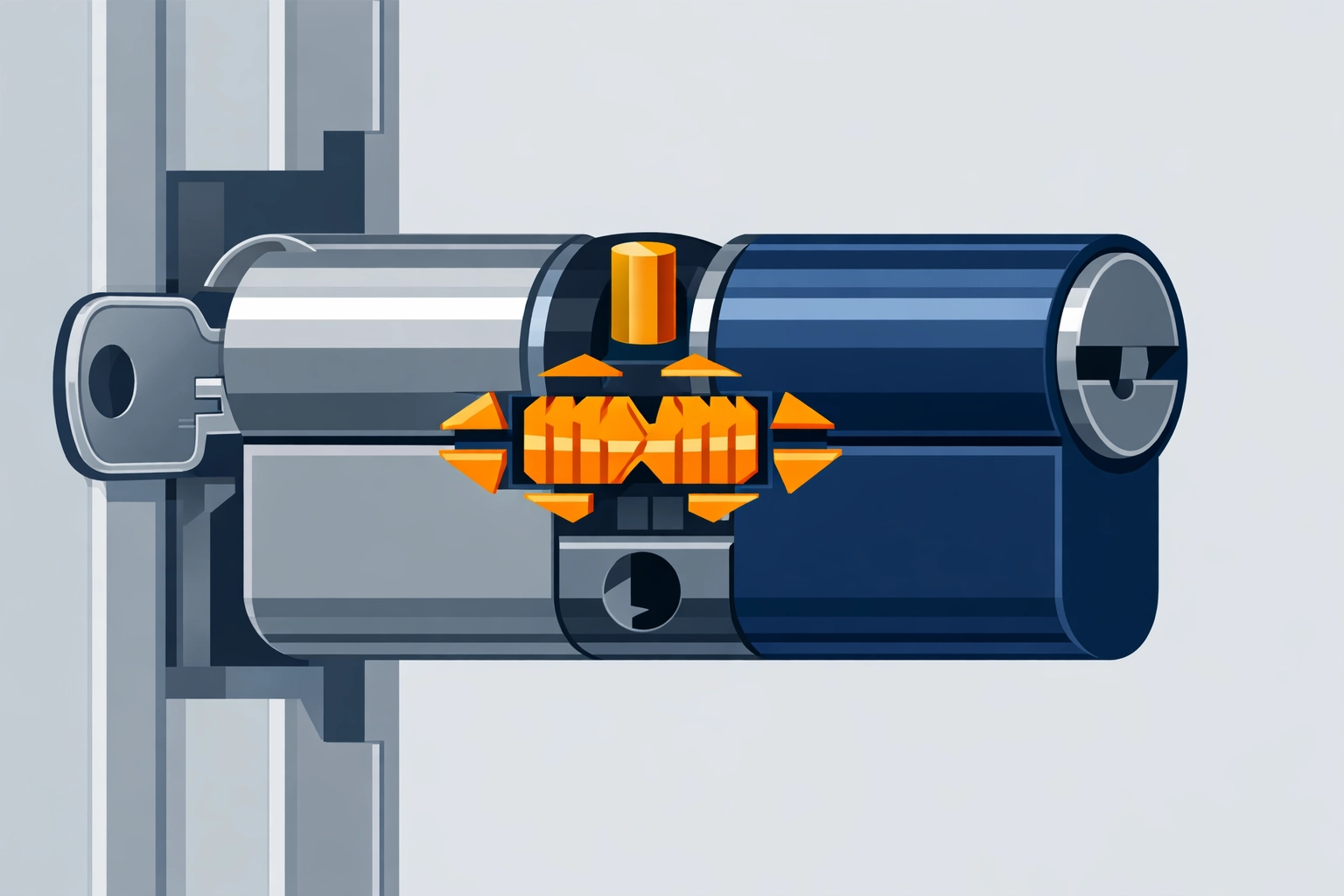
Anti-snap cylinders, on the other hand, have built-in break points that prevent this technique from working. When someone attempts to snap the lock, the outer section breaks away whilst the internal locking mechanism remains secure. We fit these across Stroud and Portishead regularly, and the difference in security is substantial.
Look for cylinders with at least one British Standard kitemark (BS TS007:2012). Better still, opt for a 3-star diamond-rated cylinder, which offers the highest level of protection currently available. The upgrade typically takes us around 20 minutes per door, and you’ll notice the quality difference immediately – they’re smoother to operate and significantly more robust.
For homeowners concerned about cost, consider this: replacing a standard cylinder before a break-in costs considerably less than dealing with the aftermath. Most insurance companies now require British Standard locks anyway, so you’re meeting compliance requirements whilst protecting your property.
2. Home Security: Upgrade to BS3621 British Standard Locks
Your insurance policy almost certainly requires BS3621 locks on all final exit doors. Yet we regularly encounter homes in Stroud and Portishead where these aren’t fitted properly, or where older locks no longer meet current standards.
BS3621 is the benchmark for thief-resistant locks. These locks undergo rigorous testing including pick resistance, drill resistance, and physical attack resistance. They’re not invincible, but they provide substantial protection and act as a significant deterrent.
What makes BS3621 locks particularly effective is their anti-drill plates and hardened steel components. When we install these, we ensure they’re fitted with the correct length screws into solid fixing points – something that’s frequently overlooked during DIY installations. A high-quality lock fitted poorly offers little more protection than a standard one.
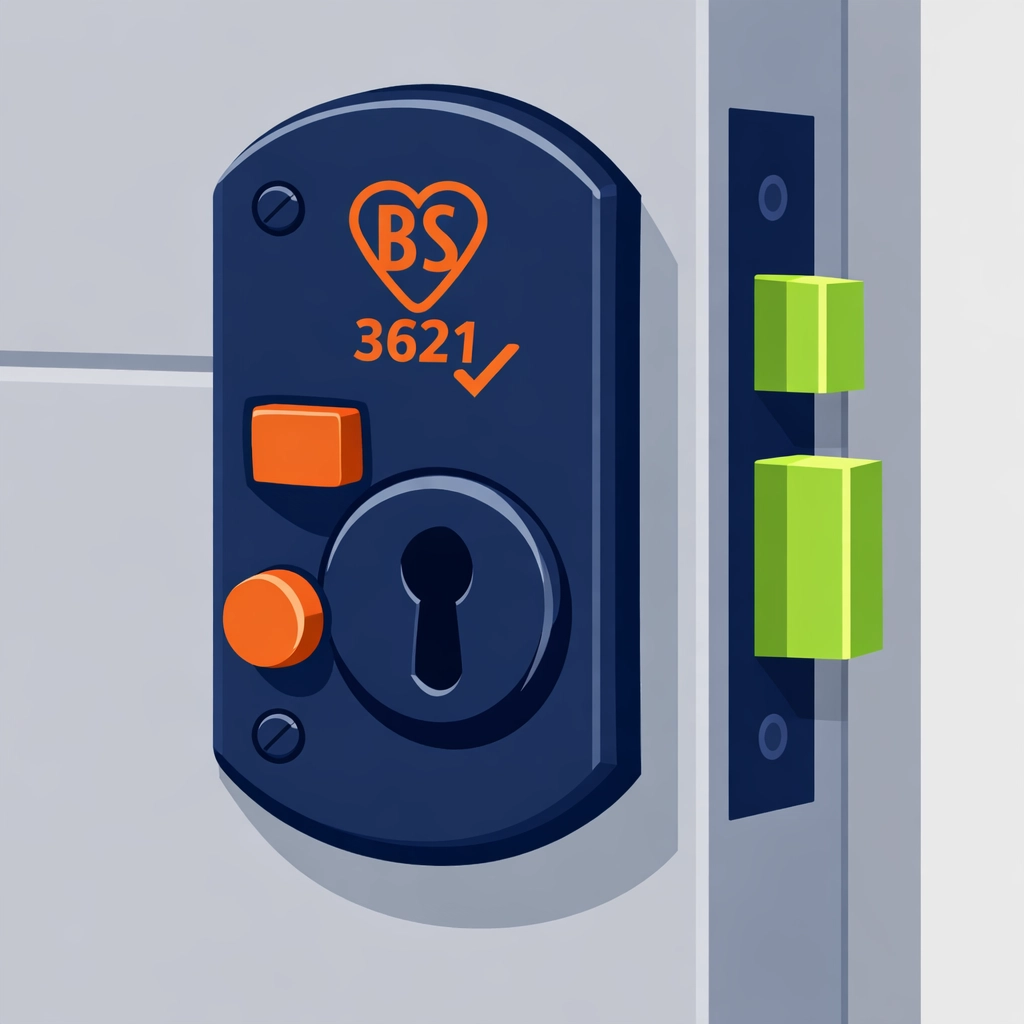
If you’re unsure whether your current locks meet the standard, look for the British Standard kitemark stamped on the faceplate. No kitemark? It’s time for an upgrade. We carry a range of BS3621-approved locks for different door types, from traditional timber doors to modern composite designs.
3. Home Security: Consider Smart Lock Technology (But Choose Wisely)
Smart locks have evolved significantly over the past few years. Early models had reliability issues, but current offerings from reputable manufacturers provide genuine security benefits alongside convenience.
The key advantage isn’t just keyless entry – it’s the control and visibility smart locks provide. You can grant temporary access to tradespeople, check whether you’ve locked up when you’re away, and receive alerts if someone attempts to tamper with your door. For homeowners who travel frequently or manage rental properties in Stroud and Portishead, these features offer considerable peace of mind.
However, not all smart locks are created equal. We recommend systems that maintain mechanical backup options, so you’re never locked out due to battery failure or connectivity issues. Look for models that integrate with British Standard cylinders rather than replace them entirely – this gives you the best of both worlds.
When we install smart locks, we also assess your door’s overall condition. Smart technology can’t compensate for a weak door frame or poor-quality hinges. The system works as part of a comprehensive security approach, not as a standalone solution.
One word of caution: avoid cheap smart locks that rely solely on Bluetooth connectivity. These can be vulnerable to electronic attacks. Stick with established brands that prioritise security alongside convenience, and ensure your home WiFi network is properly secured with strong passwords and up-to-date router firmware.
4. Home Security: Don’t Neglect Your Window Locks
Burglars often bypass front doors entirely in favour of more vulnerable entry points. Windows – particularly ground-floor and easily accessible first-floor windows – represent significant security weak spots in many homes.
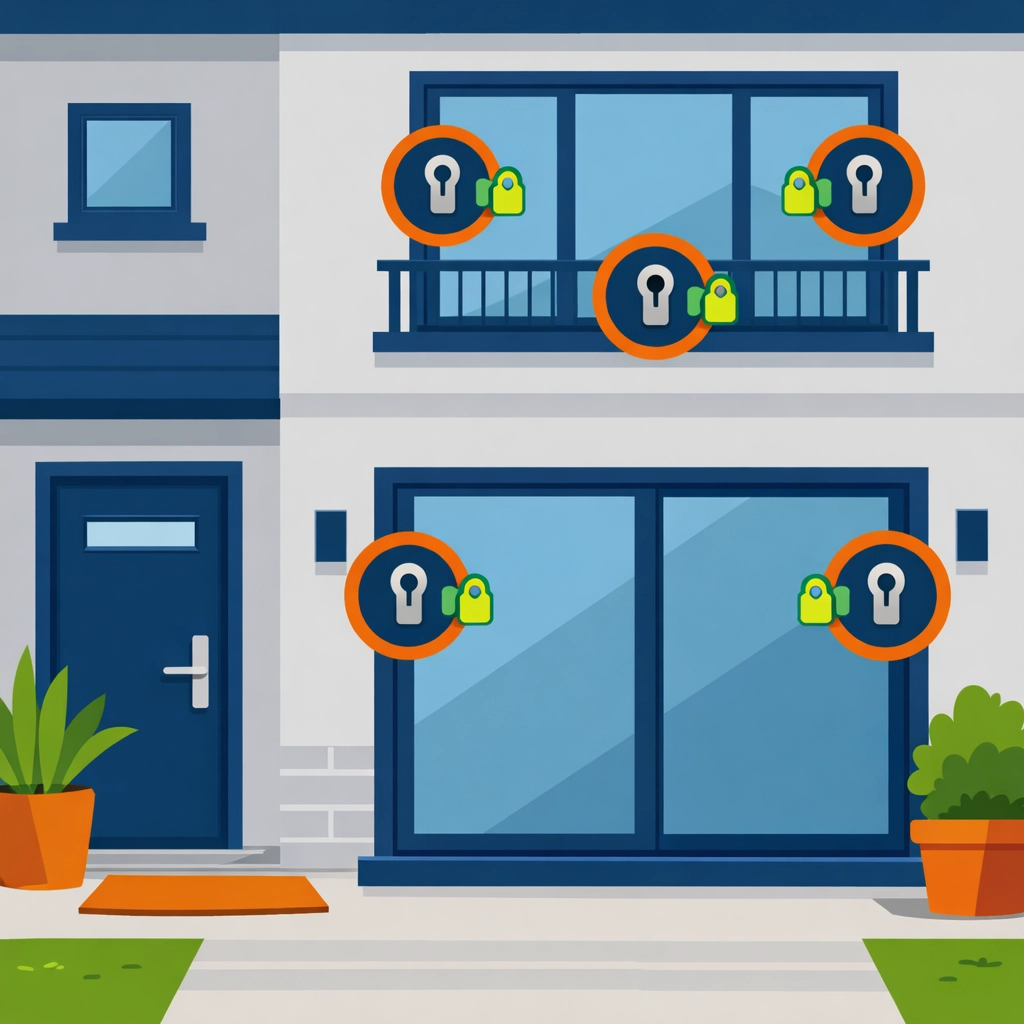
Standard window latches offer minimal security. They’re designed to keep windows closed, not to resist forced entry. Upgrading to key-operated window locks adds a substantial barrier. Even if someone breaks the glass, they can’t open the window without the key, making entry more difficult, time-consuming, and noisy.
For different window types, we recommend specific solutions:
uPVC windows: Upgrade to shoot-bolt mechanisms that lock at multiple points along the frame. These distribute force across the entire window, making it much harder to force open.
Sash windows: Install dual locks – one on each sash – to prevent lifting. Traditional sash windows are particularly vulnerable, but modern locking solutions address this effectively.
French windows and patio doors: These require mortice locks at top and bottom, plus surface-mounted bolts as secondary security. The large glass area makes them attractive to opportunistic burglars, so robust locks are essential.
We often survey homes where owners have invested in excellent door security but left windows vulnerable. Comprehensive protection means securing every accessible entry point, not just the obvious ones.
5. Home Security: Upgrade to Multi-Point Locking Systems
If you have uPVC doors with older locking mechanisms, upgrading to a modern multi-point locking system delivers immediate security improvements. These systems engage locks at multiple points along the door frame when you lift the handle, distributing force and making the door significantly more resistant to attack.
Older multi-point locks often have plastic components that degrade over time, becoming brittle and ineffective. Modern systems use hardened steel hooks, rollers, and deadbolts that engage at three, five, or even seven points. The difference in security is substantial.
We particularly recommend this upgrade for homeowners in Stroud and Portishead with composite or uPVC doors older than seven years. Lock technology has advanced considerably during this period, and the investment typically costs less than you’d expect whilst adding significant value to your property.
When we fit multi-point locks, we also check door alignment. Even the best lock provides limited security if your door has dropped or warped, preventing proper engagement. This comprehensive approach ensures your upgrade delivers maximum protection.
Home Security: Making Your Lock Upgrades Count
Security upgrades work best as part of a coordinated approach rather than isolated improvements. When we assess properties across Stroud and Portishead, we look at how different elements work together: door quality, frame strength, hinge security, and lock specification all contribute to overall protection.
The most effective security upgrades are those you implement before you need them. Waiting until after a break-in attempt or security scare means you’ve already experienced the stress and potential losses that proper locks prevent.
If you’re unsure which upgrades your property needs, we offer security assessments that identify vulnerabilities specific to your home. This typically takes around 30 minutes and provides a clear upgrade plan prioritised by impact and budget. You can explore more options in our lock replacement guide which covers current standards and recommendations.
For properties with multiple external doors, we often recommend master key systems that allow one key to operate all locks whilst maintaining individual key access for different household members. This provides security without the inconvenience of carrying multiple keys.
Taking the Next Step For Your Home Security
Lock upgrades aren’t complicated, but they require proper specification and professional fitting to deliver the security they promise. We’ve seen too many DIY installations where high-quality locks provide minimal protection because they weren’t fitted correctly or matched to the door type.
Whether you’re in Stroud, Portishead, or anywhere across our service area, we’re here to help you assess your current security and implement upgrades that make a genuine difference. Our team understands local security concerns and can recommend solutions based on your specific property type and requirements.
Ready to upgrade your home security? Give us a call to discuss which improvements would benefit your property most. We’ll provide honest advice about what you need – and importantly, what you don’t – to achieve robust, reliable security that lets you sleep soundly.
Your home’s security deserves more than standard, off-the-shelf solutions. It requires locks that match your doors, proper installation that maximises their effectiveness, and expert guidance on which upgrades deliver real protection. That’s what we provide to homeowners across Stroud and Portishead every day, and we’d be happy to do the same for you.