

Thousands of British businesses lose assets every year due to overlooked physical security gaps. For commercial property managers and business owners in Bristol, making informed choices about lock types can directly impact insurance eligibility and data protection. This guide delivers straight answers about modern commercial lock systems, highlighting proven British standards and practical strategies to help strengthen retail and office security without guesswork.
Table of Contents
- Defining Commercial Locks and Their Role
- Types of Commercial Locks in the UK
- Key Features and Mechanisms Explained
- Insurance Standards and Legal Compliance
- Selecting the Right Lock for Your Business
- Common Security Mistakes to Avoid
Key Takeaways
| Point | Details |
|---|---|
| Importance of Commercial Locks | Commercial locks are essential for securing businesses, protecting valuable assets and information from unauthorised access. |
| Types of Locks and Their Benefits | Various lock types like Euro cylinder and electronic access control systems, offer specific advantages, catering to different security needs. |
| Legal Compliance and Insurance Standards | Selecting locks that meet British Standards is crucial for regulatory compliance and can affect insurance coverage. |
| Regular Security Audits | Conducting regular security audits ensures that lock systems remain effective and up-to-date with the latest technological advancements. |
Defining Commercial Locks and Their Role
Commercial locks represent far more than simple mechanical devices securing physical spaces. These sophisticated security systems serve as critical protective barriers for businesses, preventing unauthorised access and safeguarding valuable assets and confidential information. Unlike residential locks, commercial locks are engineered to withstand higher traffic, more complex usage scenarios, and stringent security requirements specific to professional environments.
Businesses across Bristol face unique security challenges that demand robust locking mechanisms. NSI-certified commercial locks play a pivotal role in establishing comprehensive security strategies. These specialised locks integrate advanced technological features designed to address the multifaceted security needs of commercial spaces, including resistance to tampering, durability under frequent use, and compatibility with electronic access control systems.
The importance of selecting appropriate commercial locks cannot be overstated. According to the UK Information Commissioner’s Office, physical security breaches can directly contribute to potential data vulnerabilities. Security control failures often result in significant financial and reputational risks for businesses, underscoring the critical nature of implementing high-quality, professionally installed locking systems.
Top security recommendation: Conduct a comprehensive security audit annually to ensure your commercial lock systems remain current with evolving technological and legal security standards.
Types of Commercial Locks in the UK
Commercial lock systems in the United Kingdom encompass a diverse range of sophisticated security mechanisms designed to protect businesses across various sectors. These specialised locking solutions go far beyond traditional mechanical approaches, integrating advanced technological features that address complex security requirements for different commercial environments.
The primary categories of commercial locks include Euro cylinder locks, mortice locks, digital keypad locks, and electronic access control systems. Compliance guidelines for commercial lock installations emphasise the importance of selecting locks that not only provide robust security but also meet specific regulatory standards for fire safety and emergency egress. Thumb-turn Euro-style locks, for instance, offer a balance between security and quick exit capabilities in commercial settings.
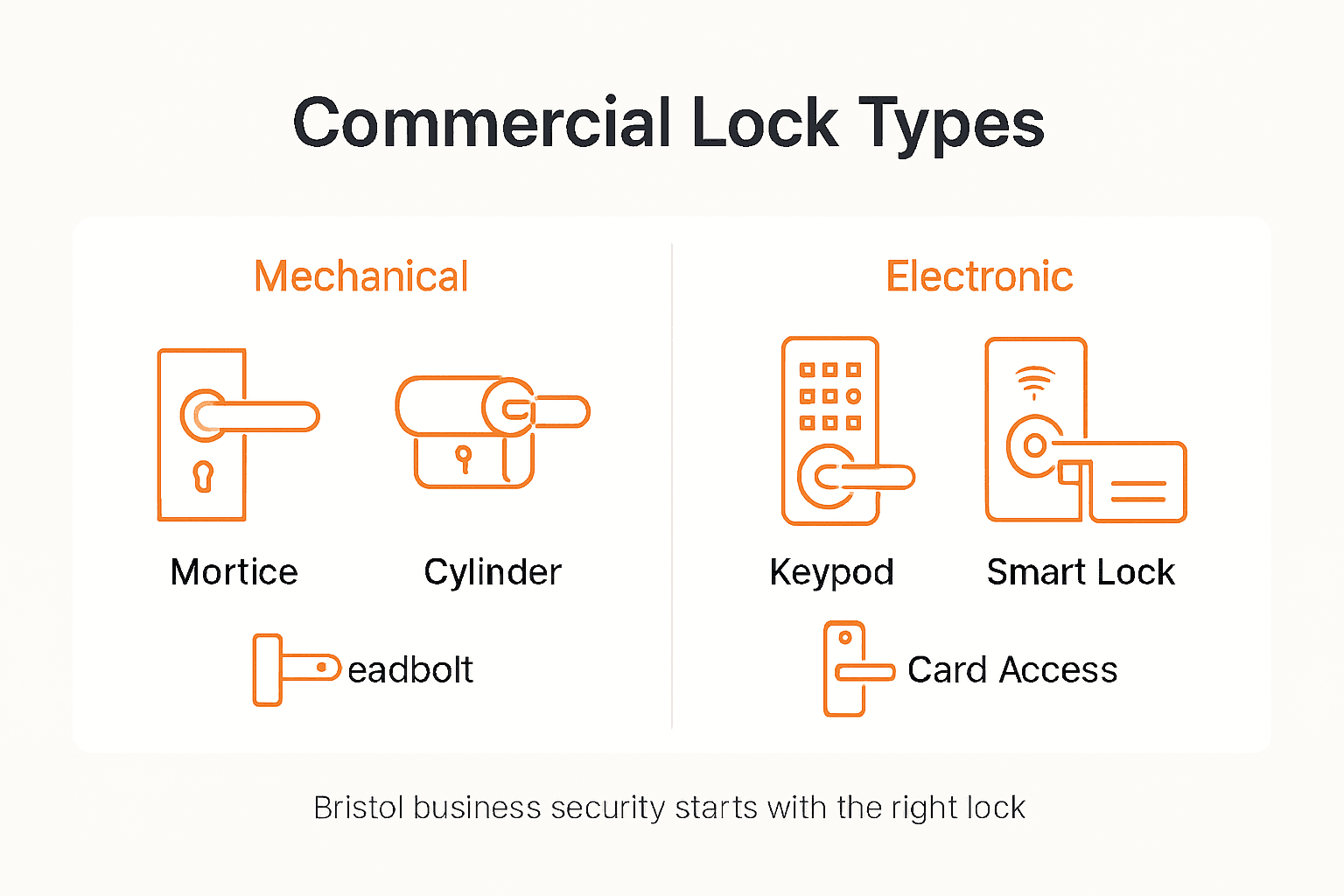
Digital and electronic lock systems represent the cutting edge of commercial security technology. These advanced solutions enable businesses to implement sophisticated access control strategies, including time-restricted entry, detailed access logs, and remote management capabilities. Keypad locks provide keyless entry options, eliminating the risks associated with traditional physical keys, such as loss, duplication, or unauthorised key transfer. Biometric locks and smart card access systems further enhance security by creating virtually impenetrable access controls tailored to specific organisational needs.
Here is a comparison of major commercial lock types and their unique advantages:
| Lock Type | Primary Benefit | Suitable For |
|---|---|---|
| Euro Cylinder | High security, easy replacement | External business doors |
| Mortice Lock | Strong physical resistance | Entrances in older commercial sites |
| Digital Keypad | Keyless convenience | Shared workspaces, small offices |
| Electronic Access Control | Remote management, audit logs | Multi-user buildings, larger firms |
| Biometric/Smart Card | Tailored user credentials | Highly restricted access areas |
Professional security insight: Always consult with a certified commercial locksmith to ensure your lock system matches your specific business security requirements and complies with current UK safety regulations.
Key Features and Mechanisms Explained
Commercial lock mechanisms represent intricate security technologies that combine mechanical precision with advanced engineering principles. Understanding these systems requires examining the complex interactions between multiple components designed to prevent unauthorised access while maintaining operational flexibility for legitimate users.
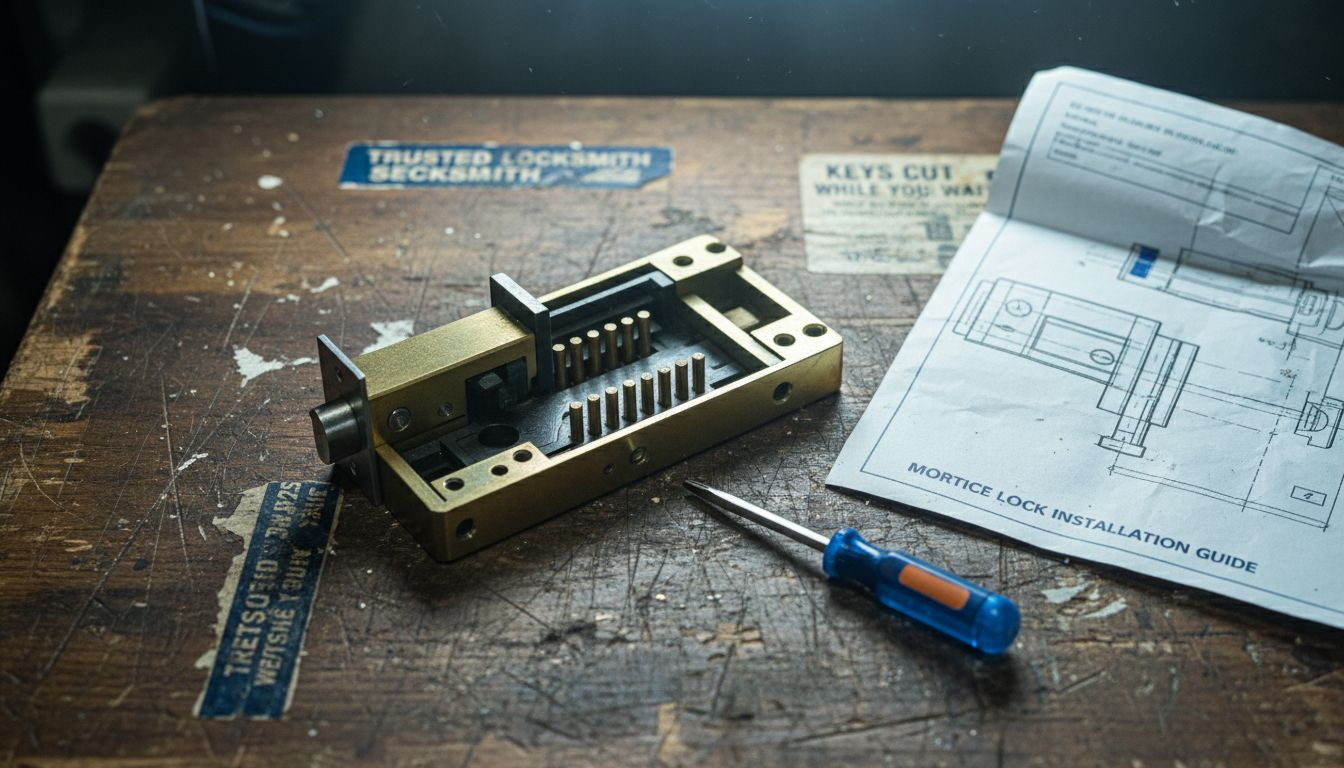
The fundamental principles of lock design draw fascinating parallels with traditional mechanical systems. Mechanical lock engineering principles demonstrate how precise engineering can create robust security solutions that leverage inherent physical properties. In commercial locks, this translates to sophisticated mechanisms like pin tumbler systems, wafer locks, and disc detainer mechanisms that create multiple layers of security through intricate key and cylinder interactions.
Modern commercial locks integrate electronic and mechanical technologies to create multilayered security approaches. Biometric recognition, radio-frequency identification (RFID), and smart card technologies now complement traditional mechanical locking systems, enabling businesses to implement granular access control strategies. These hybrid systems allow for real-time monitoring, remote access management, and comprehensive audit trails that go far beyond traditional mechanical lock capabilities. Advanced features like time-based access restrictions, individual user permissions, and instant lockdown protocols provide businesses with unprecedented control over their physical security infrastructure.
Professional security recommendation: Regularly review and update your commercial lock systems to ensure they incorporate the latest technological advancements and maintain optimal security performance.
Insurance Standards and Legal Compliance
For Bristol businesses, navigating the complex landscape of lock security involves understanding critical legal and insurance requirements that directly impact organisational risk management. Commercial property owners must recognise that lock selection is not merely a security decision, but a compliance obligation with significant financial and legal implications.
British Standards compliance for commercial locks represents a fundamental framework for ensuring adequate security infrastructure. The British Standards Institute (BSI) establishes rigorous performance criteria for lock mechanisms, specifying detailed requirements regarding strength, durability, and resistance to tampering. These standards serve as critical benchmarks that insurance providers use to assess risk, potentially influencing policy terms, premiums, and claim eligibility for businesses across different sectors.
Insurance providers typically mandate specific security standards that go beyond basic lock installation. Businesses must implement locks that meet or exceed British Standard BS3621, which defines minimum security requirements for physical barriers. This standard covers crucial aspects such as lock resistance to picking, drilling, and forced entry. Non-compliance can result in potential insurance claim rejections, leaving businesses financially vulnerable in the event of theft or property damage. Moreover, certifications from recognised bodies like the Loss Prevention Certification Board (LPCB) provide additional validation of lock quality and can potentially reduce insurance premiums.
The table below summarises key British Standards and certifications relevant to commercial locks:
| Standard/Certification | Focus Area | Business Impact |
|---|---|---|
| BS3621 | Forced entry resistance | Required for insurance eligibility |
| LPCB Certification | Quality assurance | May reduce insurance premiums |
| BSI Kitemark | Product reliability | Demonstrates compliance, builds trust |
| EN 12209 | Durability and safety | Ensures the longevity of lock systems |
Professional compliance tip: Consult with a certified commercial locksmith who understands both security engineering and insurance compliance requirements to ensure your lock systems meet all necessary regulatory standards.
Selecting the Right Lock for Your Business
Selecting an appropriate commercial lock requires a strategic approach that considers multiple factors beyond basic security. Bristol businesses must evaluate their unique operational requirements, potential risk profiles, and specific environmental challenges when making lock selection decisions.
Lock selection guidelines for commercial spaces emphasise the importance of matching lock mechanisms to specific usage contexts. Different areas within a business premises demand varying levels of security protection. External doors require robust BS3621 certified locks that resist forced entry, while internal doors might benefit from thumb-turn mechanisms that facilitate quick emergency evacuation while maintaining controlled access.
Modern businesses must consider locks that integrate technological capabilities with traditional security principles. Electronic and smart lock systems offer advanced features like access logging, remote management, and granular user permissions. These systems enable businesses to implement sophisticated security strategies that go beyond physical barrier protection. Biometric locks, proximity card systems, and networked access controls provide comprehensive security solutions that can be tailored to specific organisational needs, allowing precise control over who enters specific areas and when.
Professional selection tip: Conduct a comprehensive security audit of your premises before selecting locks, identifying high-risk areas and specific access requirements to ensure you choose the most appropriate lock technologies.
Common Security Mistakes to Avoid
Security vulnerabilities often emerge from seemingly minor oversights that can compromise an entire commercial property’s protection strategy. Bristol businesses must remain vigilant about potential security weaknesses that could expose them to significant risks, understanding that lock security is a comprehensive system rather than an isolated component.
Security management best practices reveal several critical mistakes businesses consistently make when managing their physical security infrastructure. The most prevalent errors include hiring uncertified installation professionals, neglecting regular lock maintenance, and selecting lock systems that fail to meet recognised British Standard certifications. Many organisations underestimate the importance of professional lock installation, assuming that all security solutions offer equivalent protection, which can lead to dangerous vulnerabilities.
Complex security breaches frequently originate from overlooked details in access control management. Electronic lock systems require ongoing monitoring and updating, with businesses often failing to implement comprehensive user permission protocols. Common pitfalls include maintaining outdated access lists, neglecting to remove credentials for departed employees, and not establishing clear accountability for security management. Some businesses mistakenly view lock systems as static infrastructure, whereas modern security demands continuous assessment, periodic recertification, and proactive management of access control technologies.
Professional warning: Never assume your current lock system provides adequate protection without regular professional security audits that comprehensively assess potential vulnerabilities.
Secure Your Bristol Business with Expert Commercial Lock Solutions
Understanding the complex types of commercial locks and their vital role in your business security is just the first step. Many Bristol businesses face challenges like ensuring compliance with British Standards, preventing unauthorised access, and managing advanced electronic locking systems. These security essentials demand a locksmith you can trust to provide professional installation, maintenance, and upgrades tailored to your specific needs.
At AHLP Locksmiths, we specialise in meeting these critical demands. Our Locksmith Services – Auto Home Lock Pro cover everything from high-security Euro cylinder locks to cutting-edge electronic access control systems. By choosing a local expert you can rely on, your business benefits from insurance-approved hardware, expert advice on legal compliance, and quick, non-destructive service. Do not wait until a security lapse risks your assets and peace of mind. Contact our Local Locksmith – Auto Home Lock Pro team today for a thorough security consultation.
Take control of your commercial security now. Visit https://ahlp.co.uk/contact/ to arrange your personalised assessment with trusted professionals who keep Bristol businesses safe and compliant.
Frequently Asked Questions
What are commercial locks, and why are they important?
Commercial locks are advanced security mechanisms designed to protect businesses from unauthorised access and ensure the safety of valuable assets. They are vital for safeguarding properties and preventing security breaches that could lead to financial losses and data vulnerabilities.
What types of commercial locks are available?
The primary types of commercial locks include Euro cylinder locks, mortice locks, digital keypad locks, and electronic access control systems. Each type serves specific security needs and offers different advantages based on the environment and usage.
How do digital locks enhance security for businesses?
Digital locks provide keyless entry options and eliminate the risks associated with traditional keys, such as loss or duplication. They allow advanced features like access logs, time-restricted entry, and remote management, significantly improving security control for businesses.
What compliance standards should commercial locks meet?
Commercial locks should comply with British Standards, such as BS3621, which outlines minimum security requirements for physical barriers. Compliance with these standards is crucial for insurance eligibility and to ensure the locks offer adequate protection against tampering and forced entry.