
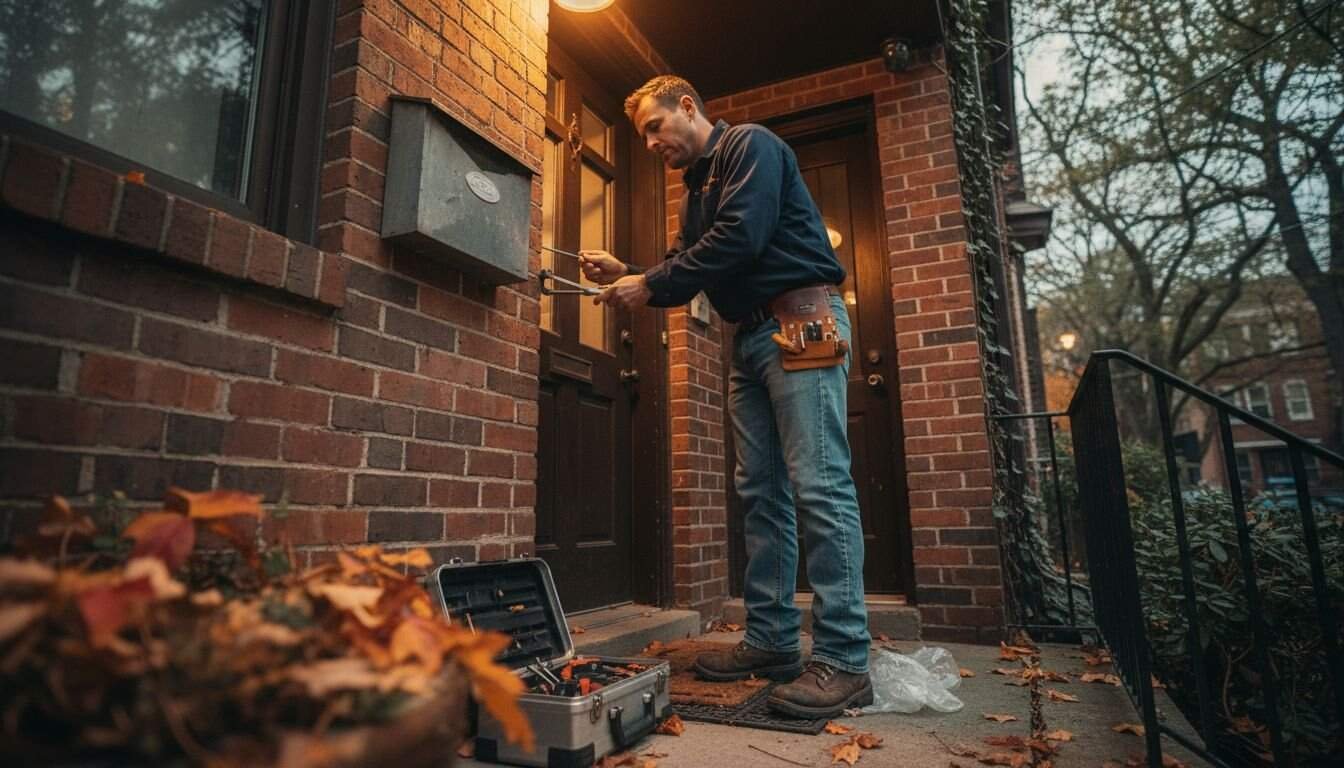
Most British households will experience a lockout at least once, with nearly half of all emergency locksmith requests in the United Kingdom linked to lost or misplaced keys. When you stand outside your door, time ticking by and stress mounting, safety and quick recovery are everything. From assessing your unique lockout situation to verifying a qualified locksmith’s credentials, this guide delivers practical steps to help British residents regain access while protecting both property and peace of mind.
Table of Contents
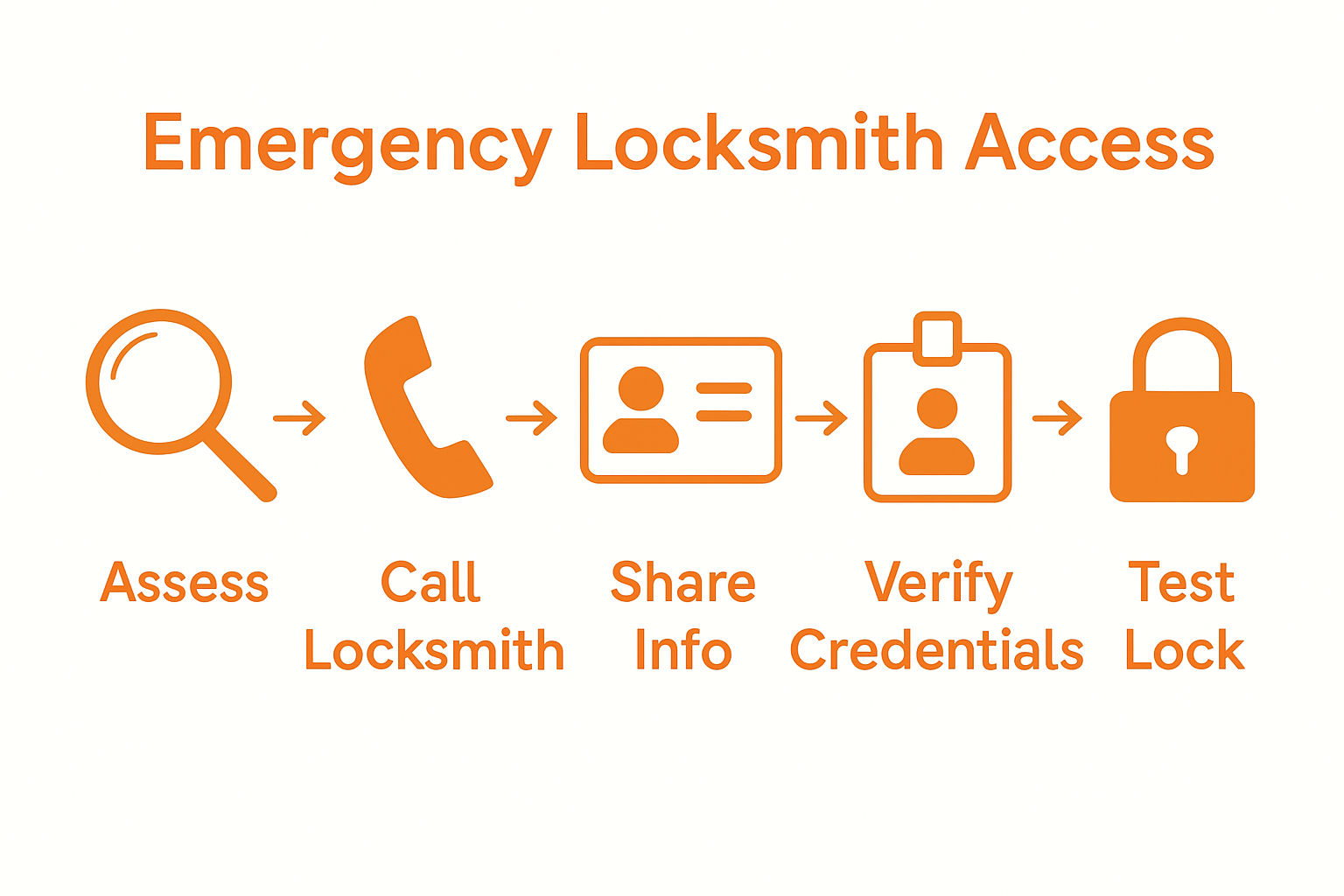
- Procedure 1: Assess The Lockout Situation And Ensure Safety
- Procedure 2: Contact A Trusted Local Emergency Locksmith
- Procedure 3: Provide Essential Details For Rapid Response
- Procedure 4: Verify Locksmith Credentials And Allow Access
- Procedure 5: Test Lock Operation And Confirm Secure Entry
Quick Summary
| Key Point | Explanation |
|---|---|
| 1. Assess Your Lockout Situation First | Identify all possible entry points and ensure personal safety before attempting to regain access to your property. |
| 2. Contact a Trusted Local Locksmith | Research and communicate with a reputable locksmith who specialises in emergency situations, ensuring transparent pricing and services. |
| 3. Provide Detailed Information | Share specific details about your property, lock type, and access challenges to help the locksmith respond efficiently to your situation. |
| 4. Verify Locksmith Credentials | Always check for the locksmith’s identification and professional credentials to prevent potential fraud and ensure reliable service. |
| 5. Test Your Lock After Access | After regaining entry, thoroughly test the lock to ensure it operates correctly and securely to prevent future lockout issues. |
Procedure 1: Assess the Lockout Situation and Ensure Safety
When you find yourself unexpectedly locked out of your home or business, staying calm and methodical is crucial. The first priority is evaluating your specific lockout circumstances to determine the safest and most efficient way to regain access.
Begin by carefully checking all potential entry points and determining whether this is a full lockout or if you have alternative access routes. Look for windows, secondary doors, or back entrances that might provide a less invasive solution. During this assessment, prioritise your personal safety first emergency lockout workflow and avoid attempting risky entry methods like climbing or forcing doors open.
If you are locked out of a business premises or rental property, contact the property manager or landlord immediately. They may have spare keys or established protocols for emergency access. Homeowners should likewise reach out to trusted family members or neighbours who might have a spare key. Should these options prove unsuccessful, professional locksmith intervention becomes necessary to restore safe and quick access without damaging your property.
Important safety tip: Never attempt forced entry or destructive methods of accessing a locked building. These approaches can result in expensive damage, compromise your security, and potentially create legal complications.
Procedure 2: Contact a Trusted Local Emergency Locksmith
When facing a lockout emergency, selecting the right professional locksmith becomes your most critical step towards regaining safe and swift property access. Your goal is to connect with a reputable local locksmith who can provide immediate assistance without compromising your security or causing unnecessary property damage.
Start by researching local locksmith services that specialise in emergency callouts. Look for professionals who offer transparent pricing, rapid response times, and demonstrate clear expertise in handling various lock mechanisms. Prioritise locksmiths with verifiable credentials such as British Standard certifications and insurance approval. When making contact, clearly explain your specific lockout situation, including the type of property door lock and any immediate access requirements.
Ensure you request upfront pricing and estimated arrival time before confirming the service. Reputable emergency locksmiths will provide a clear breakdown of potential costs and expected response timeframes. Ask about their non-destructive entry techniques to minimise potential damage to your locks or door mechanisms. A professional locksmith should be able to explain their approach and provide reassurance about safely resolving your lockout scenario.
Warning: Always verify the locksmith’s identification and professional credentials upon arrival. Legitimate emergency locksmiths will be happy to provide official identification and proof of their professional standing before commencing work.
Procedure 3: Provide Essential Details for Rapid Response
Successfully navigating an emergency locksmith callout requires providing precise information that enables a swift and efficient resolution. Your detailed communication will help the locksmith prepare adequately and arrive fully equipped to address your specific lockout scenario.
Prepare to share critical details about your property and lockout situation. Professional locksmiths recommend providing clear information about the type of lock mechanism, property access points, and any previous issues that might complicate entry. Be prepared to describe the exact door type, wood, UPVC,or composite and specify whether it is a mortice lock, cylinder lock, or multipoint locking system. Include details about your precise location, access challenges, and any time constraints you might have.
Be ready to verify your identity and property ownership when the locksmith arrives. Professional locksmiths will require government-issued photo identification and proof that you have legitimate access to the property. This verification process protects both you and the locksmith, ensuring that entry is granted only to authorised individuals. Have documents like utility bills, driving licence, or property deed available to expedite this verification.
Warning: Providing incomplete or inaccurate information can delay your emergency locksmith response and potentially increase your overall service costs. Always strive for clarity and transparency during your initial communication.
Procedure 4: Verify Locksmith Credentials and Allow Access
Ensuring the legitimacy and professionalism of your emergency locksmith is a critical step in protecting your property and personal security. This verification process helps safeguard you against potential fraudulent activities and ensures you receive high-quality service from a genuine professional.
Before granting access, request clear identification and professional credentials from your locksmith. Professional locksmith services typically provide official documentation, including their company identification badge, valid business registration, and proof of professional certification. Look for evidence of insurance coverage, DBS checks, and membership with recognised locksmith associations such as the Master Locksmiths Association. Legitimate locksmiths will be transparent and willing to demonstrate their professional standing without hesitation.
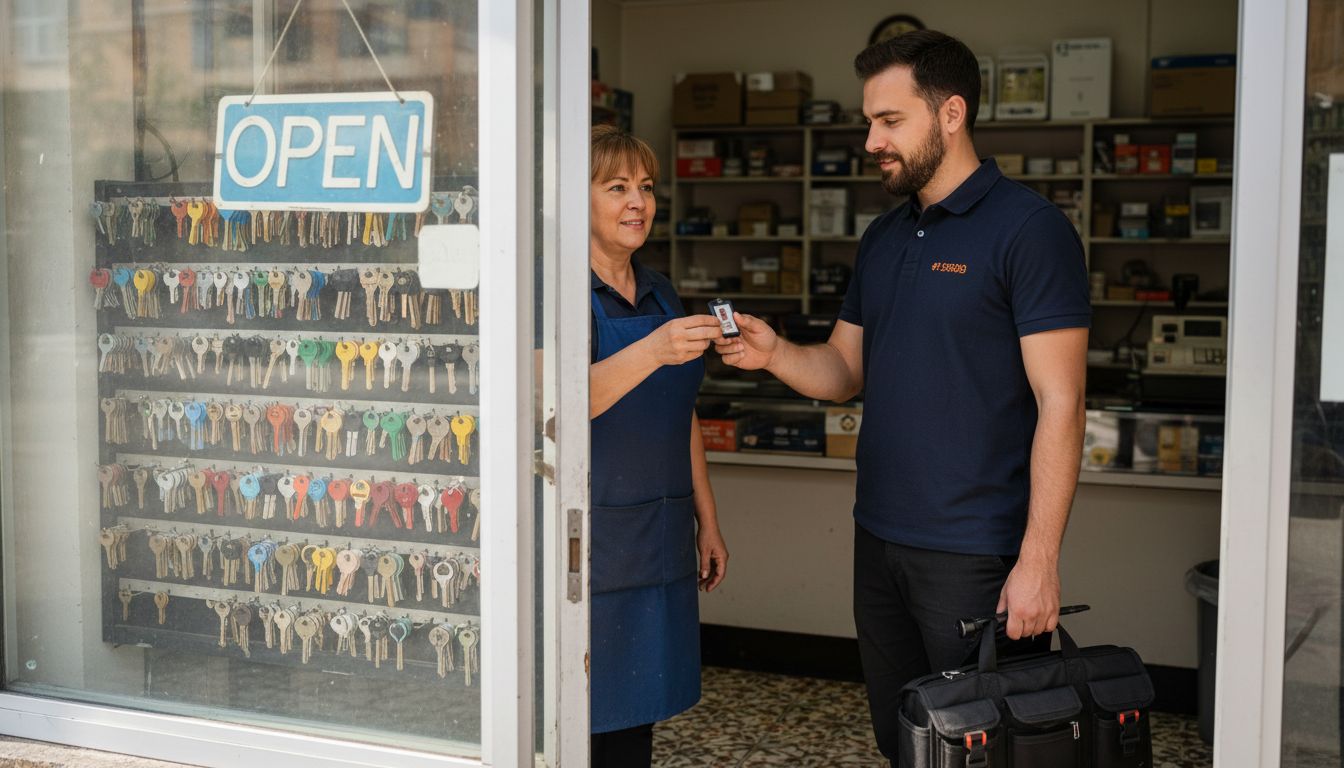
When the locksmith arrives, conduct a quick verification process. Confirm their vehicle matches the company branding, check that their uniform or identification matches their stated credentials, and ask for specific details about their professional background. Pay attention to their communication style. Professional locksmiths will be confident, clear, and willing to answer any questions you might have about their approach to resolving your specific lockout situation.
Warning: Never allow an unverified individual claiming to be a locksmith access to your property. Reputable professionals will understand and respect your need to confirm their credentials before beginning any work.
Procedure 5: Test Lock Operation and Confirm Secure Entry
After regaining access to your property, thoroughly testing the lock mechanism becomes essential to ensure your ongoing security and prevent potential future lockout scenarios. This final verification step confirms that your lock functions correctly and provides the protection your property requires.
Lock maintenance practices require careful inspection of the entire locking mechanism. Test the lock multiple times by engaging and disengaging the mechanism smoothly. Check for any resistance, unusual sounds, or stiffness that might indicate underlying mechanical issues. Ensure the key turns completely without excessive force and that the lock cylinder rotates cleanly. Pay particular attention to multipoint locking systems on UPVC or composite doors, which may have more complex operational requirements.
Based on safety verification protocols, systematically assess the lock’s performance under different scenarios. Test the lock with both the original and replacement keys to confirm consistent functionality. Verify that the lock engages fully when closed and retracts completely when opened. Look for any signs of wea,r misalignment or potential damage that might have occurred during the lockout and subsequent repair process.
Warning: If you notice any irregularities during your lock testing procedure, do not ignore them. Even minor issues can compromise your property’s security and potentially lead to future lockout situations or vulnerability to intrusion.
Swift and Reliable Emergency Locksmith Help for Your Home or Business
Facing a lockout situation can be stressful and urgent. This article highlights key challenges such as ensuring personal safety, verifying locksmith credentials, and regaining quick access without damage or delay. At AHLP Locksmiths, we understand these concerns and offer expert solutions tailored for both domestic and commercial properties. Whether you need help with UPVC, wooden, or composite door locks, our team uses non-destructive entry methods and quality British Standard hardware to restore your security efficiently and safely.
When you need immediate assistance, trust our Emergency Locksmith – Auto Home Lock Pro services for fast and professional response. Our local expertise means we arrive promptly, fully equipped, and ready to resolve your lockout with transparent pricing and no call-out fees. Do not wait until a lock problem escalates. Contact AHLP Locksmiths today at https://ahlp.co.uk/contact/ to secure your property and enjoy peace of mind delivered by a trusted Local Locksmith – Auto Home Lock Pro team committed to your safety.
Frequently Asked Questions
What should I do first if I am locked out of my home or business?
Begin by assessing your lockout situation and ensuring your personal safety. Check for alternative entry points, such as windows or back doors, before considering calling for professional help.
How can I find a reputable local emergency locksmith?
Look for local locksmith services that specialise in emergency callouts and have verified credentials. Research their pricing and response times to ensure you choose a trustworthy professional for your lockout situation.
What information should I provide to a locksmith during an emergency callout?
Prepare to share essential details about your property and lock mechanism, including the type of lock and any previous issues. Clear communication helps the locksmith arrive equipped to resolve your lockout quickly.
How can I verify that my locksmith is legitimate before granting access?
Request identification and professional credentials from the locksmith upon arrival. Ensure their vehicle matches the company branding and their uniform aligns with their stated credentials for added assurance.
What steps should I take after regaining access to my property?
Once inside, thoroughly test the lock mechanism to ensure it is functioning correctly. Engage and disengage the lock multiple times to identify any issues that could compromise your property’s security.
What should I do if I notice problems with my lock after a locksmith visit?
Do not ignore any irregularities such as stiffness or unusual sounds when using the lock. Contact a professional again to address these issues promptly and maintain the security of your property.