
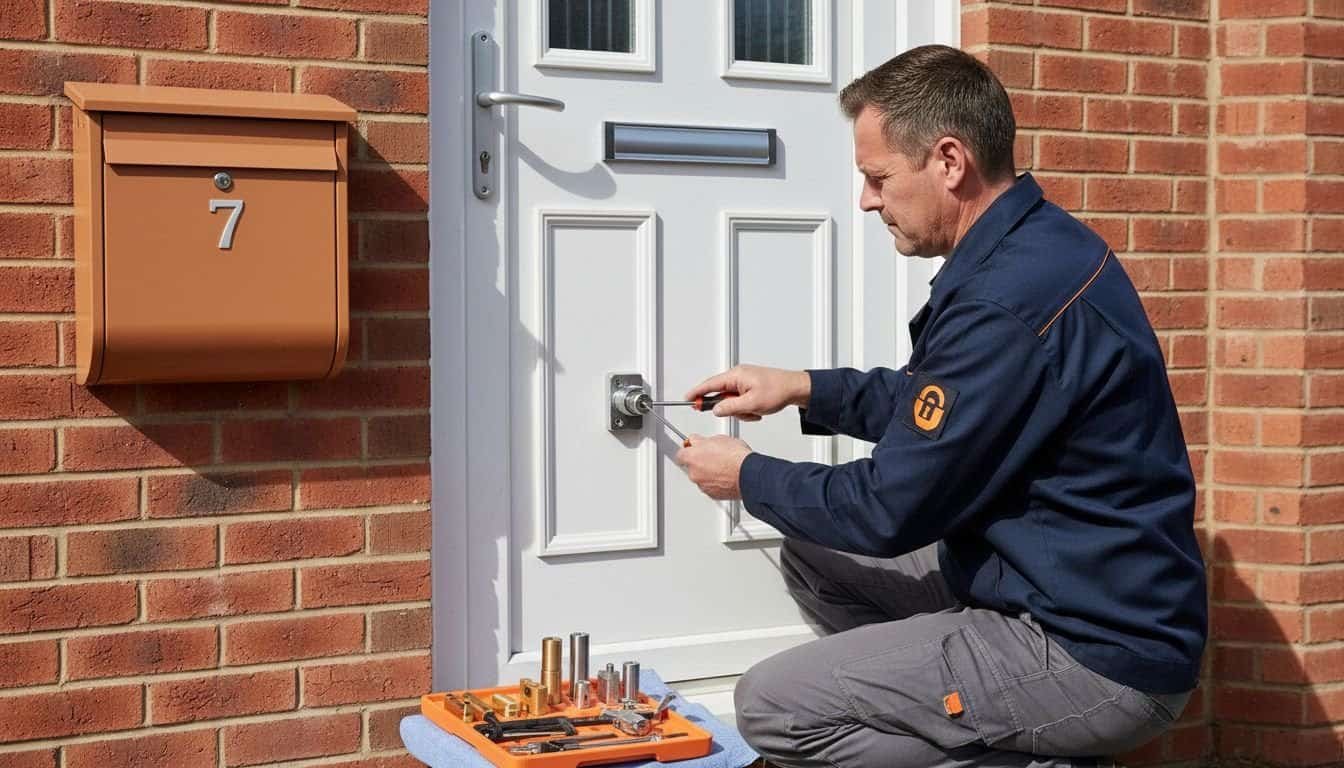
A surprising number of british homeowners discover that even the strongest-looking door is only as secure as its weakest lock. When a lock fails or does not meet modern security standards, your property may be left at risk of intrusion or insurance issues. Knowing how to address, repair or upgrade British locks becomes vital for any home or business owner seeking peace of mind and reliable protection.
Table of Contents
- Replacing A Broken UPVC Door Lock Mechanism
- Upgrading To British Standard High-Security Locks
- Changing Locks After Moving To A New Home
- Replacing Damaged Garage Door Locks
- Switching To Insurance-Approved Window Locks
- Fitting Anti-Snap Cylinders On External Doors
- Replacing Business Door Locks After Lost Keys
Quick Summary
| Takeaway | Explanation |
|---|---|
| 1. Prioritise lock replacement after moving | Changing locks prevents unauthorised access from previous occupants, securing your new home immediately. |
| 2. Consider high-security locks for better protection | Upgrading to British Standard high-security locks enhances resistance to break-ins and may lower insurance premiums. |
| 3. Consult professionals for lock installations | Expert locksmiths ensure proper fitting of locks, reducing security vulnerabilities due to incorrect installations. |
| 4. Regularly check garage and window locks | These often-neglected areas require attention to prevent easy access for intruders and ensure overall security. |
| 5. Implement key management protocols for businesses | Conducting comprehensive audits and tracking key distribution helps prevent security risks and maintain organisational safety. |
1. Replacing a Broken UPVC Door Lock Mechanism
A broken UPVC door lock mechanism can compromise the security and functionality of your home, leaving you vulnerable to potential intrusions. Understanding how to address this issue efficiently is crucial for maintaining your property’s safety and preventing further damage.
UPVC door locks are sophisticated mechanisms that control entry and provide essential security for modern homes. When the internal lock mechanism fails, it can result from various factors such as age, wear and tear, or mechanical stress. Signs of a failing lock mechanism include difficulty turning the key, stiff handle movement, or the door not closing properly.
To replace a broken UPVC door lock mechanism, you will need specific tools and a replacement lock unit compatible with your door model. Professional locksmiths like AHLP Locksmiths recommend careful assessment before attempting replacement. The process typically involves:
- Measuring the existing lock: Precisely document the lock’s dimensions and type
- Removing the damaged mechanism: Carefully disassemble without causing additional door damage
- Installing the new lock unit: Align and secure the replacement mechanism
- Testing functionality: Ensure smooth operation and secure closure
Tip: Always prioritise professional installation to guarantee proper fit and security
While DIY replacement might seem tempting, UPVC doors require specialised knowledge. Incorrect installation can lead to misalignment, reduced security, and potential damage to your door. Professional locksmiths possess the expertise to select the right mechanism, ensure precise fitting, and validate the lock’s performance.
By addressing a broken lock mechanism promptly, you protect your home from potential security risks and maintain the integrity of your property’s entrance.
2. Upgrading to British Standard High-Security Locks
Upgrading to British Standard high-security locks represents a critical investment in protecting your home against potential break-ins and security vulnerabilities. These sophisticated locking systems provide significantly enhanced protection compared to standard residential locks.
British Standard high-security locks are specifically engineered to meet rigorous national safety specifications, offering superior resistance against common burglary techniques. These locks undergo extensive testing to ensure they can withstand picking, drilling, and forced entry attempts.
Key features of these advanced locks include:
- Enhanced resistance mechanisms: Designed to prevent manipulation
- Complex internal engineering: Multiple locking points and hardened steel components
- Insurance approved: Often reducing home insurance premiums
- Precision manufactured: Tight manufacturing tolerances for maximum security
When considering an upgrade, homeowners should focus on locks marked with the BS3621 standard. This certification indicates the lock has passed stringent security assessments and provides robust protection. Professional locksmith services can help select and install the most appropriate high-security lock for your specific door type.
Warning: Improper installation can compromise even the most advanced lock system
Beyond physical security, these locks offer psychological reassurance. Knowing your home has professional-grade protection can significantly reduce anxiety about potential intrusions. Modern high-security locks also incorporate sophisticated key control systems, making unauthorised key duplication extremely difficult.
Upgrading to British Standard high-security locks is more than a purchase. It is a comprehensive security strategy that protects your most valuable asset your home.
3. Changing Locks After Moving to a New Home
Moving to a new home represents an exciting chapter in life, but it also brings critical security considerations that many homeowners overlook. Changing locks immediately after moving is an essential step in protecting your property and ensuring your personal safety.
Why changing locks matters goes beyond simple security precautions. Previous occupants may have distributed keys to family members, neighbours, contractors, or other individuals who could potentially retain access to your new property. This unknown distribution of keys creates a significant vulnerability that must be addressed promptly.
Professional locksmiths recommend a comprehensive approach to lock replacement when moving:
- Assess all external entry points: Evaluate every door with an independent lock
- Choose high-security replacement locks: Select British Standard-approved mechanisms
- Consider master key systems: Potentially simplify key management for multiple doors
- Document all key distributions: Keep track of who receives replacement keys
Locksmith services can provide swift and expert lock replacement, ensuring your new home remains secure from the moment you move in. They can also advise on the most appropriate lock types for different entry points.
Tip: Replace not just external door locks but also garage, shed, and rear access point locks
Additional considerations include checking the overall condition of door frames and mechanisms. Sometimes lock replacement reveals underlying structural issues that might compromise security. Modern lock installations can also incorporate advanced features like smart technology integration, offering enhanced monitoring and access control.
Remember that lock replacement is more than a mechanical task. It is about creating a sense of security and making your new house truly feel like your home.
4. Replacing Damaged Garage Door Locks
Garage door locks are often overlooked yet represent a critical vulnerability in home security systems. Damaged or worn locks not only compromise your property’s safety but can also provide easy access for potential intruders seeking opportunistic entry points.
Common signs of garage door lock failure include difficulty turning the key, visible rust or corrosion, loose mechanisms, and mechanical stiffness. These indicators suggest that immediate replacement is necessary to maintain optimal security protection.
When approaching garage door lock replacement, homeowners should consider several key factors:
- Assess lock type: Determine whether you have a sliding, roller, or traditional padlock mechanism
- Measure existing lock dimensions: Ensure precise replacement compatibility
- Select high-quality replacement: Choose locks meeting British Standard security ratings
- Consider professional installation: Complex mechanisms may require expert handling
Locksmith services can provide comprehensive assessments and recommendations for garage door lock replacements, ensuring your security remains uncompromised.
Warning: Improper lock replacement can create additional security vulnerabilities
Understanding the specific requirements of your garage door lock is crucial. Different door materials, such as wood, metal, or composite, require tailored lock solutions. Modern garage door locks also incorporate advanced features like electronic key fobs, smartphone integration, and enhanced tamper resistance.
Remember that garage door locks are not merely mechanical devices. They are your first line of defence in protecting valuable possessions and maintaining home security.
5. Switching to Insurance-Approved Window Locks
Window locks represent a critical yet often overlooked component of home security, with insurance providers increasingly mandating specific lock standards to mitigate potential risks. Upgrading to insurance-approved window locks can protect your property and potentially reduce your annual insurance premiums.
Insurance-approved window locks are specifically engineered to meet rigorous safety standards, providing robust protection against potential break-in attempts. These specialised locks undergo extensive testing to ensure they can withstand manipulation and forced entry techniques employed by opportunistic criminals.
Key considerations when selecting window locks include:
- Verify insurance compliance: Confirm the lock meets British Standard BS7950 requirements
- Assess window type: Different window materials require specific lock mechanisms
- Consider additional security features: Multi-point locking systems offer enhanced protection
- Professional installation: Ensures correct fitting and maximum security performance
Domestic locksmith services can provide expert guidance on selecting and installing appropriate window locks that meet both security and insurance standards.
Warning: Incorrectly installed locks may invalidate insurance coverage
Modern window locks incorporate advanced technologies such as integrated alarm sensors, tamper resistant mechanisms, and smart connectivity options. These innovations transform window locks from simple mechanical barriers into sophisticated security systems.
Remember that investing in high-quality window locks is not just about protecting physical assets. It is about creating a comprehensive security strategy that provides genuine peace of mind for you and your family.
6. Fitting Anti-Snap Cylinders on External Doors
Criminals have increasingly sophisticated techniques for compromising traditional door locks, with cylinder snapping emerging as a prevalent method of forced entry. Anti-snap cylinders represent a critical defence mechanism designed to protect your home against these modern security threats.
Anti-snap cylinder technology provides advanced protection by incorporating specific engineering features that prevent criminals from breaking the lock mechanism and gaining unauthorised access. These specialised locks are constructed with unique structural reinforcements that resist manipulation and destructive entry attempts.
Key considerations when selecting anti-snap cylinders include:
- Verify security ratings: Choose cylinders meeting British Standard BS3261 specifications
- Check physical construction: Look for hardened steel internal components
- Assess potential break points: Ensure multiple resistance zones within the lock
- Consider professional installation: Expert fitting guarantees maximum security performance
Lock maintenance strategies can help homeowners understand the importance of regularly updating security hardware to prevent potential vulnerabilities.
Warning: Improperly installed anti-snap cylinders may compromise overall door security
Modern anti-snap cylinders incorporate advanced technologies such as sacrificial sections that deliberately break in predetermined locations, preventing criminals from accessing the main locking mechanism. These intelligent design features transform traditional locks into sophisticated security systems.
Remember that investing in high quality anti-snap cylinders represents more than a hardware upgrade. It is a strategic approach to protecting your home and providing genuine peace of mind.
7. Replacing Business Door Locks After Lost Keys
Lost business keys represent more than a minor inconvenience they pose significant security risks that could potentially compromise your entire commercial premises. Swift and strategic lock replacement becomes crucial to maintain organisational safety and protect sensitive areas.
Business lock replacement involves a comprehensive approach that goes beyond simply changing physical hardware. It requires careful assessment of potential security vulnerabilities, key distribution tracking, and implementing robust access control strategies.
Key considerations during business lock replacement include:
- Conduct a comprehensive security audit: Identify all potentially compromised entry points
- Select advanced locking systems: Choose mechanisms with sophisticated key tracking
- Implement access control protocols: Develop clear procedures for key management
- Consider electronic access alternatives: Explore modern keycard or biometric solutions
Commercial locksmith experts can provide tailored solutions that address the unique security requirements of different business environments.
Warning: Delaying lock replacement after key loss increases vulnerability to potential security breaches
Modern business lock technologies offer sophisticated features like audit trails, remote access management, and integration with broader security systems. These innovations transform traditional lock replacement from a reactive measure into a proactive security strategy.
Remember that protecting your business is not just about changing locks. It is about creating a comprehensive security ecosystem that safeguards your most valuable assets, professional reputation and organisational integrity.
This table summarises key strategies and actions for replacing and upgrading locks to enhance security in various residential and business contexts.
| Topic | Description | Key Considerations |
|---|---|---|
| Replacing a Broken UPVC Door Lock Mechanism | Identify issues such as a stiff handle or difficulty turning the key. Measure and replace the lock carefully. | Consider professional installation to avoid misalignment and ensure security. |
| Upgrading to British Standard High-Security Locks | Provides superior resistance against burglary techniques with multiple locking points. | Choose locks marked with BS3621. Professional fitting recommended. |
| Changing Locks After Moving to a New Home | Essential to replace locks to prevent access from previous key holders. | Evaluate and replace all external locks, possibly including garage and shed. |
| Replacing Damaged Garage Door Locks | Address signs of lock failure like rust or stiffness. Ensure compatibility and quality. | Professional assessment is advised for complex mechanisms. |
| Switching to Insurance-Approved Window Locks | Meets BS7950 requirements, reducing insurance premiums and enhancing security. | Ensure compliance and consider multi-point locking systems. |
| Fitting Anti-Snap Cylinders on External Doors | Protects against cylinder snapping, a common forced entry technique. | Verify locks meet British Standard specifications and install professionally. |
| Replacing Business Door Locks After Lost Keys | Conduct a security audit and implement access control strategies. | Consider electronic access alternatives and ensure swift replacement. |
Secure Your Home with Expert Lock Replacement from AHLP Locksmiths
If you have identified broken UPVC door locks, outdated security mechanisms, or lost keys after moving into a new home, acting swiftly is vital to protect your property and peace of mind. The challenges discussed in the article highlight common vulnerabilities such as compromised lock mechanisms, the need for British Standard high-security upgrades, and the risks of ignoring damaged garage or window locks. At AHLP Locksmiths, we understand these concerns and offer professional solutions tailored to your exact needs using quality insurance-approved hardware.
Don’t wait for security risks to escalate. Our team specialises in prompt and reliable locksmith services throughout Bristol, South Gloucestershire and Gloucester. Whether you need urgent lock changes, advanced anti-snap cylinders, or expert advice on improving your home’s security strategy, our trusted local locksmiths deliver careful workmanship that ensures lasting protection. Contact us today via our main page to schedule your security upgrade and safeguard your home before vulnerabilities turn into real threats.
Frequently Asked Questions
What signs indicate that I need to replace a UPVC door lock mechanism?
A failing UPVC door lock mechanism may present signs such as difficulty turning the key, a stiff handle, or the door not closing properly. To address potential security risks, assess your lock immediately and consider replacement if you notice any of these issues.
How can I ensure the new locks I choose are secure enough for my home?
To guarantee enhanced security, opt for locks that meet British Standard specifications, such as BS3621 for door locks or BS7950 for window locks. Carefully evaluate the features and ask a professional to assist you in selecting high-security options that provide robust protection against break-ins.
What should I do if I lose my business keys?
If you lose your business keys, promptly conduct a security audit to identify compromised entry points and replace the relevant locks. This will help prevent unauthorised access and maintain the safety of your premises.
Should I consider professional installation when replacing locks at home?
Yes, professional installation is recommended for replacing locks, especially for high-security systems or complex mechanisms. Skilled locksmiths can ensure proper fitting and functionality, reducing the risk of misalignment or security vulnerabilities.
How often should I replace the locks in my home?
Regularly assess your locks for wear and consider replacement every 5-10 years, or sooner if you notice signs of damage or malfunction. This proactive approach enhances your home’s security and protects against potential threats.
What are anti-snap cylinders, and do I need them for my doors?
Anti-snap cylinders are specially designed locks that provide protection against snapping, a common forced entry technique. Installing these locks on external doors enhances security significantly, making your home less vulnerable to intruders.
Recommended
- 7-Step Lock Maintenance Checklist for Home and Business Owners
- 7 Essential Examples of Locksmith Services for Your Home
- Lock Changing or Upgrading Services – AHLP Locksmiths
- New Locks New home | AHLP Locksmiths
- Door Lock Installation ALT Locksmith – Trusted Car Key Programming & Auto Locksmith Service Car Key Services & Automotive Locksmith ALT Locksmith – Trusted Car Key Programming & Auto Locksmith Service ALT Locksmith
- Lock Rekeying – Automotive Locksmith Toronto