
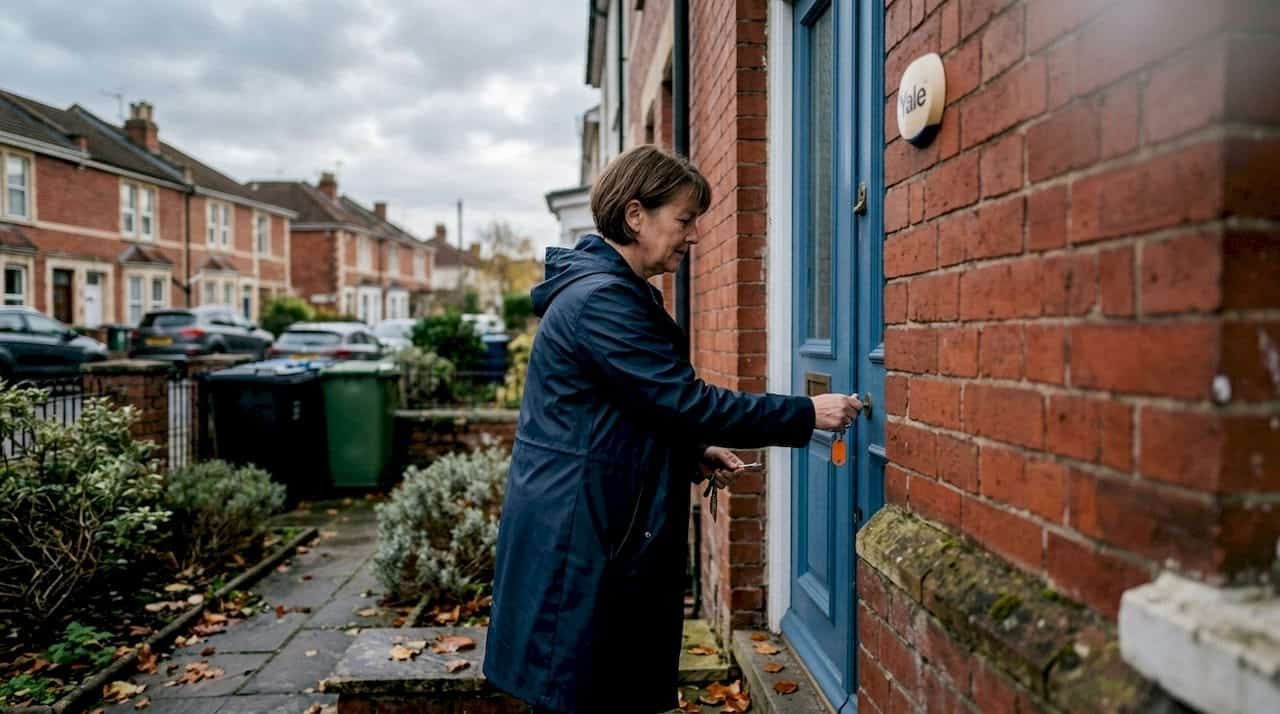
Leaving a window ajar while you pop to the shops might seem harmless, but it could be all a burglar needs. One in four burglaries involve no forced entry at all, meaning offenders simply walk through an open door or window. For homeowners across Bristol and South Gloucestershire, that is a sobering reminder that security is not just about expensive gadgets. It is about consistent habits, the right hardware, and knowing where your vulnerabilities lie. This guide gives you practical, expert-backed steps to strengthen your home in 2026 and beyond.
Table of Contents
- Understanding the burglary risk in 2026
- Top 10 practical home security tips for 2026
- Layered security: Combining technology and habits
- Comparison: Top security upgrades for Bristol and South Gloucestershire homes
- How to tailor home security tips for your property and lifestyle
- Next steps: Get expert locksmith support for complete home security
- Frequently asked questions
Key Takeaways
| Point | Details |
|---|---|
| Lock and alarm priority | Fitting quality locks and a visible alarm deters the majority of burglars. |
| Layered security works | Combining locks, lighting, habits, and technology far outperforms using one method alone. |
| Personalise for property | Adapt tips to your home’s layout, family needs, and local schemes for best results. |
| Avoid common mistakes | Never leave doors or windows open, and don’t hide spare keys outside. |
Understanding the Burglary Risk in 2026
Burglary rates across England and Wales have shifted in recent years, and local homeowners are right to stay alert. Avon and Somerset Police data consistently shows that burglaries rise in winter during darker evenings, when properties appear unoccupied and opportunists feel less exposed. That seasonal pattern means autumn and winter are the times to prioritise lighting, timers, and visible deterrents.
Most break-ins exploit simple oversights rather than sophisticated techniques. Unlocked back gates, tools left in the garden, and poorly lit side passages all create easy opportunities. Our ultimate home security guide covers the full picture, but the core principle is straightforward: layered defence works far better than any single measure.
Here is what that layered approach looks like in practice:
- Secure every entry point, not just the front door
- Use lighting, alarms, and cameras together
- Build consistent locking habits into your daily routine
- Coordinate with neighbours and local watch schemes
- Review your security each season, especially before winter
With the risks clear, let us look at exactly how burglars target local properties and what you can do about it.
Top 10 Practical Home Security Tips for 2026
These home security tips are grounded in evidence and tailored for UK homes. Apply as many as you can, and you will significantly reduce your risk.
Lock every door and window, every time. It sounds obvious, but one in four break-ins happen without any forced entry. Make locking up a non-negotiable habit before leaving the house or going to bed.
Install a visible alarm system. A UK Home Office study found that 84% of burglars said a visible alarm outside the property would deter them. That is one of the strongest single deterrents available.
Fit motion-activated lights. Sudden illumination startles intruders and removes the cover of darkness. Focus on side passages, rear gardens, and any blind spots around your property.
Trim hedges and clear the garden. Overgrown shrubs give burglars somewhere to hide while they work. Keep hedges low at the front and remove anything that could conceal activity near doors or windows.
Never hide a spare key outdoors. Under a mat or in a plant pot is the first place any burglar will check. If you need external key storage, use a police-approved key safe fixed securely to the wall.
Mark and register your valuables. Property marking schemes make items harder to sell on and easier to recover. Keep valuables out of sight from windows, especially laptops, bags, and jewellery.
Use light and radio timers when you are away. A home that looks occupied is far less attractive to opportunists. Smart plugs and timer switches are inexpensive and genuinely effective.
Secure garages, sheds, and side gates. Outbuildings are often overlooked. Fit quality padlocks, add a shed alarm, and store ladders and tools inside so they cannot be used to access upper floors.
Take advantage of local schemes. The Be Home Safe programme and similar initiatives offer free or subsidised security upgrades for eligible residents. Check what is available through Avon and Somerset Police and your local council.
Join your local Neighbourhood Watch. Coordinated communities are harder to target. Sharing information with neighbours about suspicious activity creates a collective deterrent that no single gadget can replicate.
For more ideas specific to your area, our burglary prevention examples page covers real-world scenarios, and our instant security upgrades guide highlights quick wins you can act on today.
Pro Tip: Before investing in new technology, walk around your property after dark and look at it as a stranger would. Identify any unlit areas, unlocked gates, or visible valuables through windows. That five-minute audit often reveals the most urgent fixes.
For a broader view of how to protect your home as burglary rates fluctuate nationally, Which? offers regularly updated guidance worth bookmarking.
Layered Home Security Tips: Combining Technology and Habits
No single measure will make your home impenetrable. The most effective approach combines physical locks, electronic deterrents, and consistent daily habits. Think of it as building several barriers, each one adding friction for a would-be intruder.
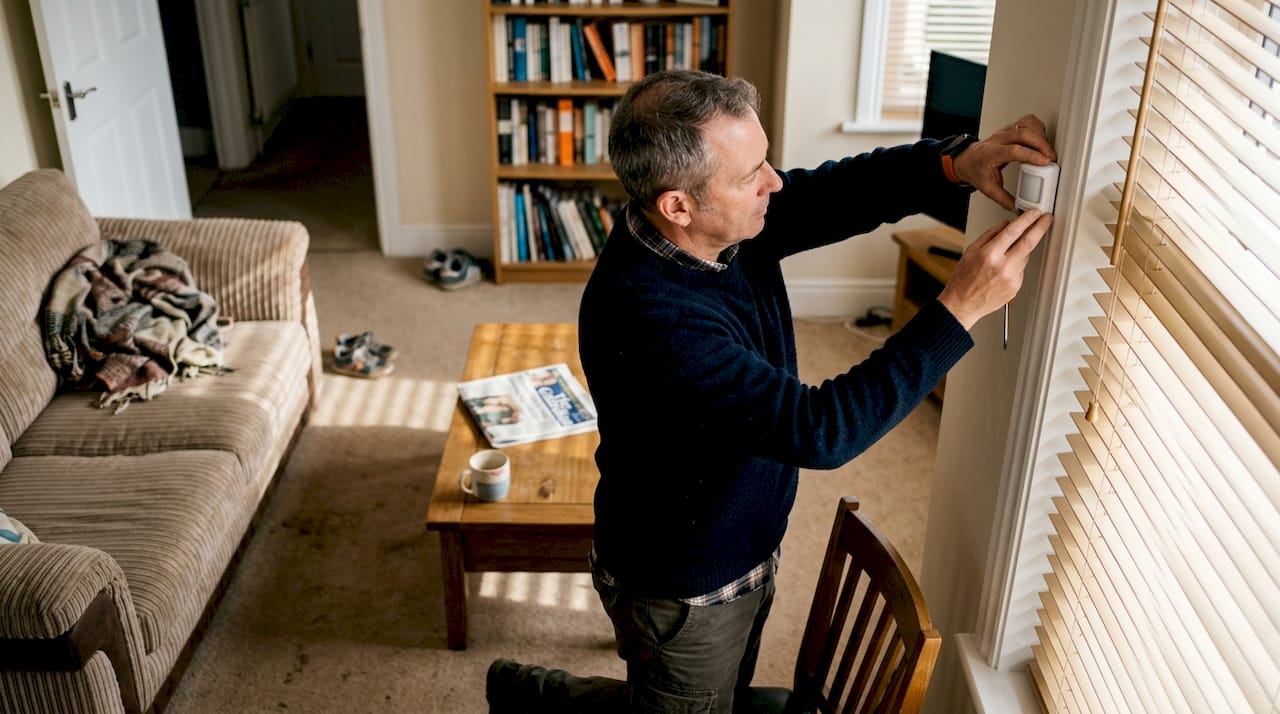
Layered security, combining locks, alarms, cameras, and habits, is consistently rated the most effective strategy by security professionals. Monitored alarm systems go a step further by triggering a police response, not just a local siren.
Here is how each layer contributes:
- Locks: Fit British Standard (BS3621) mortice locks on timber doors and anti-snap Euro cylinders on UPVC and composite doors. Do not forget rear doors, gates, and outbuildings.
- Alarms: Choose a system with a visible external bell box. Professionally installed systems are more reliable and often required by insurers.
- Cameras: Visible CCTV deters opportunists and provides footage that genuinely assists police investigations. Position cameras to cover entry points and driveways.
- Habits: Set your alarm every time you leave, even for short trips. Lock windows when rooms are unoccupied. Use timers to simulate occupancy.
Pro Tip: Smart locks with audit trails let you see exactly when doors were locked or unlocked, which is particularly useful for households with multiple occupants or shift workers. Our guide on smart lock deterrence explains the options in detail.
For homeowners in coastal and commuter towns, our security upgrades for Portishead article covers location-specific considerations. And for a broader look at how technology and physical security work together, Security Life offers useful independent guidance on system integration.
Comparison: Top Security Upgrades for Bristol and South Gloucestershire Homes
Choosing where to invest can feel overwhelming. This table breaks down the most common upgrades by cost, complexity, and effectiveness to help you prioritise.
| Upgrade | Approximate cost | Complexity | Effectiveness | Best for |
|---|---|---|---|---|
| Anti-snap Euro cylinder lock | £40 to £80 fitted | Low | Very high | UPVC and composite doors |
| BS3621 mortice lock | £60 to £120 fitted | Medium | Very high | Timber doors |
| Wireless alarm system | £150 to £500+ | Medium | High | Most property types |
| Wired alarm system | £300 to £800+ | High | High | Larger or permanent installs |
| Visible CCTV camera | £50 to £200 per camera | Low to medium | High | Driveways and entry points |
| Motion-activated lighting | £20 to £80 per light | Low | Medium to high | Gardens and passages |
| Smart timer plugs | £10 to £30 | Very low | Medium | Simulating occupancy |
| Police-approved key safe | £30 to £80 fitted | Low | Medium | Households needing external key access |
Wired and wireless alarms offer similar levels of security when professionally installed. The key difference is that monitored systems, whether wired or wireless, can trigger a direct police response rather than relying on a neighbour hearing the siren.
For a full room-by-room breakdown of what to check and upgrade, our detailed home security checklist is a practical starting point.
How to Tailor Home Security for Your Property and Lifestyle
Not every tip applies equally to every home. A ground-floor flat in Clifton has different vulnerabilities to a detached house in Thornbury. Personalising your approach makes every pound you spend more effective.
Detached homes have more perimeter to protect. Prioritise perimeter alarms, garden lighting, and locked outbuildings. Side gates are a common weak point, so fit a robust bolt or padlock and consider a gate alarm.
Terraced and semi-detached homes often share alleyways or rear access points. Coordinate with neighbours on lighting and gate security. A shared approach is often more effective and less costly.
Flats should focus on the main entry system and individual front door locks. Video doorbells are particularly useful here, giving you visibility of communal areas without requiring external CCTV.
Elderly or vulnerable residents may qualify for free security upgrades through the Be Home Safe scheme, which South Gloucestershire Council supports. This programme has been running for 25 years and provides practical measures at no cost to eligible households.
Families with children should keep keys well out of reach and ensure upper-floor windows have restrictors fitted. Children can inadvertently leave doors unlocked or windows open, so building security habits into family routines is genuinely worthwhile.
If you are unsure where to start, our security consultations service gives you a professional assessment tailored to your specific property and circumstances. You can also explore council safety initiatives for additional local support options.
Next Steps: Get Expert Locksmith Support for Complete Home Security Tips
Applying these home security tips yourself is a great start, but a professional assessment can identify vulnerabilities that are easy to miss. At AHLP Locksmiths, we work with homeowners across Bristol, South Gloucestershire, and Gloucester to carry out security upgrades, lock replacements, and full property assessments. Whether you need an emergency locksmith after a break-in or want to proactively upgrade your locks before winter, we are ready to help. We specialise in fitting anti-snap locks, British Standard hardware, and insurance-approved solutions, all completed with transparent pricing and no call-out fees. Call us on 07700 100146 or visit ahlp.co.uk to arrange a visit at a time that suits you.
Frequently Asked Questions About Home Security Tips Bristol
What is the most effective single step I can take to deter burglars?
A visible, professionally installed alarm system is one of the strongest deterrents available. 84% of burglars surveyed in a UK Home Office study said a visible alarm would put them off targeting a property.
Are wireless alarms as secure as wired systems?
Professionally installed wireless alarms offer security comparable to wired alternatives. The installation method matters less than the quality of the system and whether it is monitored.
How can I get free home security upgrades in South Gloucestershire?
Eligible residents may qualify for free measures through the Be Home Safe scheme, which supports vulnerable households with practical security improvements and advice.
Should I post holiday plans on social media?
Avoid sharing travel plans or photos while you are away, as signalling your absence online can alert opportunists that your home is empty.
How do I secure outdoor buildings like sheds and garages?
Fit sturdy padlocks and shed alarms and always store ladders and tools out of sight to prevent them being used to access upper floors or windows.
Recommended
- Home Security Checklist for Bristol Homes 2026
- The Ultimate Guide to Home Security: Everything You Need to Succeed in Bristol – Auto Home Lock Pro
- 7 Essential Locksmith Tips for Homeowners in Bristol
- Home security consultation explained: expert advice
- Security & Life Integrations | Your All-In-One Security Company