
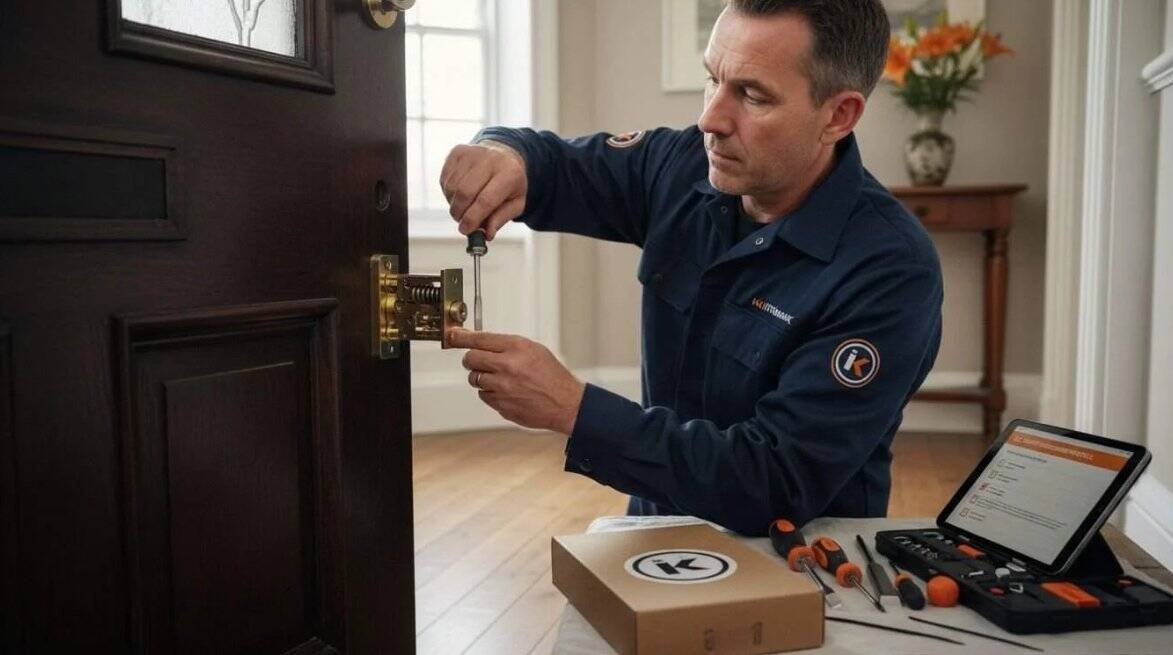
Most British homeowners would be surprised to learn that not all door locks offer the same level of protection. Relying on a lock’s appearance or price can leave your property at risk, as many common misconceptions create gaps in home security. Whether you are upgrading or simply trying to keep your family safe, understanding which lock to choose is crucial. This article clears up widespread myths and highlights what every homeowner should know for stronger, smarter security.
Table of Contents
- Door Locks Defined And Common Misconceptions
- Main Types Of Door Locks In The UK
- Security Features And British Standards
- Choosing The Right Lock For Your Property
- Common Pitfalls And Security Mistakes
Key Takeaways
| Point | Details |
|---|---|
| Understanding Lock Types is Essential | Different door locks provide varying levels of security; homeowners must select locks suited to their specific needs. |
| Importance of British Standards | Choose locks that comply with British Standards to ensure adequate protection and insurance coverage. |
| Regular Maintenance is Crucial | Neglecting lock maintenance can significantly compromise security, making regular servicing essential. |
| Professional Advice is Key | Consulting a professional locksmith can help identify vulnerabilities and recommend the best locking solutions tailored to your property. |
Door Locks Defined and Common Misconceptions
Understanding door locks is more complex than most homeowners realise. There are multiple types of door locks that serve different security purposes, each with unique characteristics and protection levels.
A door lock fundamentally provides physical security by preventing unauthorised entry, but contrary to popular belief, not all locks offer the same level of protection. As research from Confused highlights, different lock mechanisms have varying insurance and security implications. For instance, many people mistakenly assume that any lock will deter potential intruders, when in reality, specific lock types are significantly more effective.
Key misconceptions about door locks include:
- Believing all locks provide equal security
- Assuming expensive looks mean better protection
- Thinking one lock type suits every door
- Overlooking maintenance as a crucial security factor
The most reliable locks typically feature sophisticated mechanisms like 5 lever mortice deadlocks and key-operated multipoint locking systems. These advanced designs offer multiple engagement points, making forced entry substantially more challenging. For comprehensive insights into lock maintenance and security, check out our guide on essential locksmith services.
Understanding the nuances of door lock security isn’t just about purchasing a mechanism—it’s about selecting the right protection tailored to your specific property and potential risks. Professional locksmiths can provide personalised recommendations that consider your unique security needs, door type, and potential vulnerabilities.
Main Types of Door Locks in the UK
Homeowners across the UK have several critical door lock options to protect their properties, each designed to address specific security needs and door configurations. From traditional mechanisms to modern sophisticated systems, understanding these variations can significantly enhance home protection.
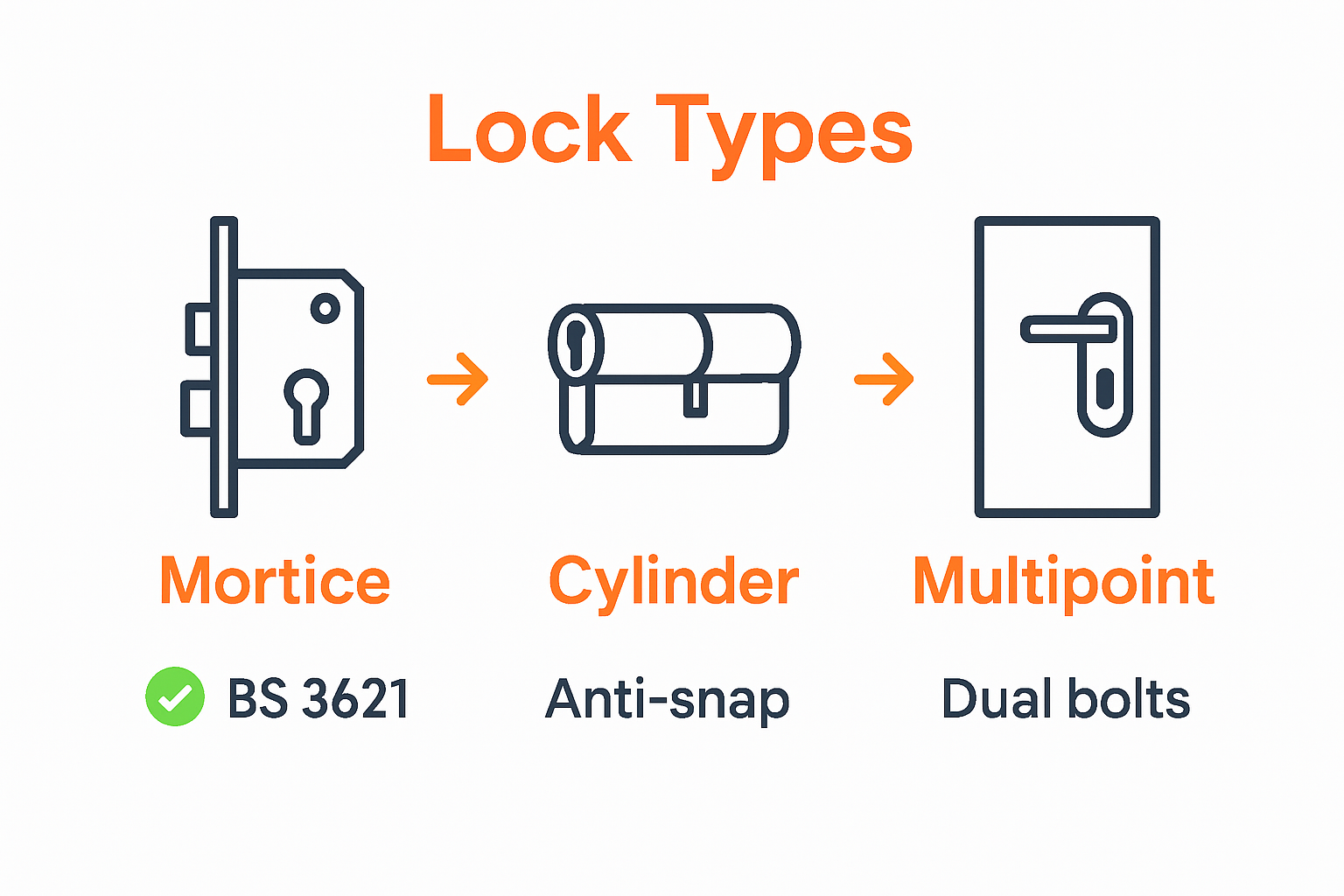
The primary types of door locks found in British homes include:
- Mortice Locks: Embedded within the door itself, offering robust security
- Cylinder Locks: Versatile mechanisms compatible with multiple door types
- Multipoint Locking Systems: Providing comprehensive door protection with multiple securing points
- Rim Locks: Surface-mounted locks are typically used for additional security
For homeowners considering lock upgrades, 5-lever mortice deadlocks represent a particularly strong security option. These locks meet British Standard requirements and are often recommended by insurance providers. When selecting a lock, consider factors like door material, potential vulnerability points, and specific security requirements.
To ensure optimal protection, consider consulting a professional locksmith who can provide tailored advice. Our guide on lock changing services offers comprehensive insights into selecting and installing the most appropriate lock for your specific property. Professional assessment can help identify potential weaknesses and recommend the most effective locking mechanisms for your unique security needs.
Security Features and British Standards
In the UK, door lock security is governed by stringent British Standards, which establish critical benchmarks for protection, durability, and reliability. These standards are not merely recommendations but essential guidelines that determine the effectiveness of security mechanisms across residential and commercial properties.
Key security features and standards include:
- BS 3621: The primary standard for insurance-approved locks
- Kitemark Certification: Independent quality verification
- 5 Lever Deadlock Requirement: Minimum security specification for home insurance
- Anti-Snap Cylinder Protection: Preventing sophisticated burglary techniques
The Kitemark represents more than a simple certification; it signifies that a lock has undergone rigorous testing and meets exceptional security criteria. Locks bearing this mark demonstrate resistance to picking, drilling, and forced entry attempts. Professional locksmiths recommend prioritising locks that not only meet but also exceed these standards.
Navigating these technical requirements can be complex, which is why consulting experts becomes crucial. Our comprehensive lock maintenance checklist provides homeowners with essential insights into maintaining lock integrity and ensuring ongoing security compliance. Understanding and implementing these standards isn’t just about meeting regulations—it’s about protecting what matters most.
Choosing the Right Lock for Your Property
Selecting the appropriate lock is a critical decision that directly impacts your property’s security and protection. According to Howden Insurance, homeowners must carefully consider multiple factors when choosing a lock, including door material, potential security risks, and specific property requirements.
Key considerations when selecting a lock include:
- Door Material: Different locks suit wooden, composite, and UPVC doors
- Security Level: Assess your neighbourhood’s crime rates and potential vulnerabilities
- Insurance Requirements: Ensure the lock meets British Standard specifications
- Property Type: Residential, commercial, and industrial properties have unique lock needs
As Door Superstore highlights, understanding the nuanced differences between mortice locks, multi-point locking systems, and euro cylinder locks is crucial. Each lock type offers distinct advantages, and the wrong choice can compromise your entire security strategy. For instance, a multi-point locking system provides superior protection for larger doors, while a traditional mortice lock might be more suitable for smaller, residential entrances.
Navigating these technical choices can be overwhelming, which is why our guide to locksmith services offers comprehensive insights to help you make an informed decision. Professional locksmiths can assess your specific requirements, recommend the most appropriate lock, and ensure professional installation that maximises your property’s security.
Common Pitfalls and Security Mistakes
Home security is riddled with potential vulnerabilities that many homeowners unknowingly create. According to Admiral, failing to update locks when moving into a new property represents one of the most significant security oversights that can leave your home exposed to potential intrusions.
Common security mistakes homeowners frequently make include:
- Ignoring Lock Maintenance: Neglecting regular lock servicing
- Using Outdated Locks: Continuing to use old or compromised locking mechanisms
- Overlooking Entry Points: Focusing solely on front door security
- Failing to Replace Spare Keys: Not changing locks after losing keys
- Choosing Appearance Over Security: Selecting locks based on aesthetics rather than protection
Confused emphasises the critical importance of using British Standard locks and maintaining them properly. Many homeowners mistakenly believe that any lock provides adequate protection, when in reality, non-standard locks can significantly compromise home security and potentially invalidate home insurance policies.
Understanding these potential pitfalls requires professional insight. Our 7-step lock maintenance checklist provides homeowners with a comprehensive guide to identifying and addressing potential security weaknesses. Remember, protecting your property isn’t just about installing a lock. It’s about implementing a holistic security strategy that anticipates and mitigates potential risks.
Secure Your Home with Expert Lock Solutions from AHLP Locksmiths
Choosing the right door lock is essential to protect your home from potential threats and avoid common security mistakes like outdated or non-standard locking mechanisms. This article highlights the importance of understanding lock types such as mortice locks, multipoint systems, and British Standard approved devices. If you are uncertain which lock best suits your door material or meets insurance requirements, our local experts can provide tailored advice.
At AHLP Locksmiths, we offer professional and reliable locksmith services across Bristol, South Gloucestershire and Gloucester. Whether you need a security upgrade, lock repair or key replacement, our technicians use high quality British Standard hardware to keep your property safe. Don’t leave your home exposed by delaying crucial lock changes or maintenance. Contact our local locksmith team today to benefit from fast response times and transparent pricing.
Take control of your home’s security now and prevent vulnerabilities from outdated locks or lost keys. Call us or visit our website to arrange your security consultation and experience peace of mind knowing your property is professionally protected.
Frequently Asked Questions
What are the main types of door locks available?
The primary types of door locks include mortice locks, cylinder locks, multipoint locking systems, and rim locks. Each type is designed for specific security needs and door configurations.
How do I choose the right lock for my property?
When selecting a lock, consider factors such as door material, security level, insurance requirements, and the type of property you have. Consulting a professional locksmith may provide tailored recommendations based on your unique needs.
What is the significance of British Standards for door locks?
British Standards, such as BS 3621, set benchmarks for door lock security, durability, and reliability. Locks meeting these standards often qualify for insurance and are recommended for effective home security.
How can I maintain my door locks to ensure optimal security?
Regular maintenance of door locks involves checking for wear and tear, lubricating mechanisms, and addressing any signs of damage or malfunction. Following a lock maintenance checklist can help identify and rectify potential weaknesses.