
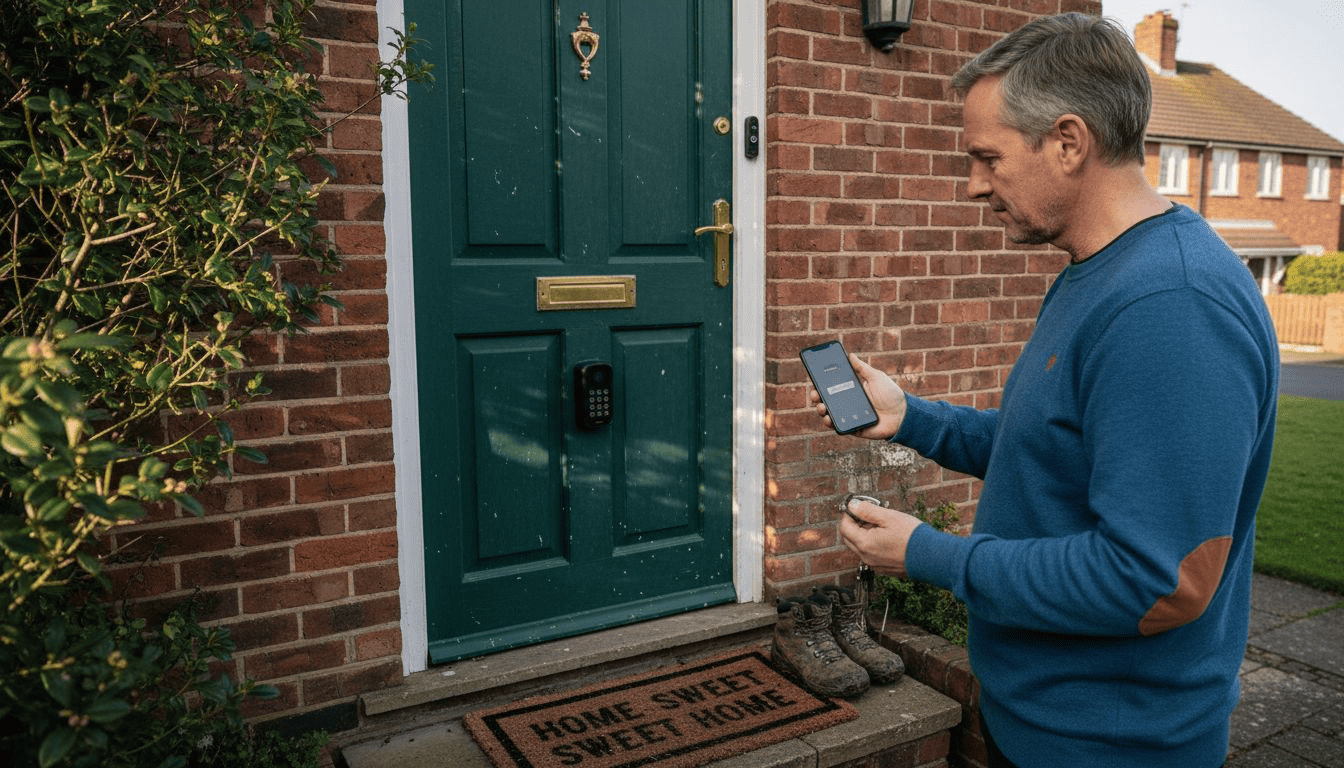
Most British homes face a break-in attempt every minute, yet many households in Bristol and South Gloucestershire still depend on outdated door and window locks. Effective security begins with understanding your options, from British standard cylinders to smart technology and proper protection for sheds and garages. This guide gives you practical insights into the varied lock types that help keep your home and family safe, balancing local advice with the latest upgrades for modern British living.
Table of Contents
- Cylinder Locks: Versatile Options for Most Doors
- Mortice Locks: Traditional Security for Timber Doors
- UPVC Multi-Point Locks: Enhanced Protection for Modern Doors
- Rim Locks and Nightlatches: Added Security for Entry Doors
- Smart Locks: Keyless Convenience and Control
- Garage and Shed Locks: Protecting Outbuildings Effectively
- Window Locks: Preventing Unauthorised Access Points
Quick Summary
| Takeaway | Explanation |
|---|---|
| 1. Choose cylinder locks for versatile security | Cylinder locks are adaptable and suitable for most door types, offering easy replacement and strong protection against intruders. |
| 2. Consider British Standard ratings for locks | Selecting locks with BS3621 ensures high resistance to picking and forced entry, essential for robust home security. |
| 3. Use multi-point locks for enhanced safety | Multi-point locks secure doors at several points, creating a formidable barrier against attempted break-ins, especially for modern doors. |
| 4. Regular maintenance is crucial for lock performance | Inspect and maintain all locks regularly to ensure they function effectively and to prevent security vulnerabilities over time. |
| 5. Prioritise smart locks for advanced control | Smart locks provide keyless convenience and can be managed via smartphones, but ensure robust security measures are in place. |
1. Cylinder Locks: Versatile Options for Most Doors
Cylinder locks represent the most common and adaptable security solution for residential doors across the United Kingdom. These locks feature a removable inner mechanism that allows for quick replacement and enhanced flexibility in home security configurations.
The primary mechanism of cylinder locks involves a rotating barrel that accepts a specific key, which aligns internal pins or wafers to enable the lock to open. This design provides significant advantages for homeowners seeking reliable lock mechanism protection.
Most cylinder locks come in two primary variants: the Euro cylinder and the British standard cylinder. Euro cylinders are particularly popular in modern UPVC doors, offering streamlined installation and compatibility with multiple door types. British standard cylinders provide robust security for wooden and composite doors, meeting stringent UK safety requirements.
When selecting a cylinder lock, homeowners should consider key factors such as the door material, security rating, and potential vulnerabilities. Look for locks that meet British Standard BS3621, which indicates a high level of resistance against picking and forced entry.
Key Selection Considerations:
- Door material compatibility
- Security rating
- Key control
- Resistance to picking
Modern cylinder locks often incorporate advanced security features like anti-snap technology, which prevents criminals from breaking the lock by applying excessive force. This innovation significantly reduces the risk of unexpected home intrusions.
Top Tip: Always purchase cylinder locks from reputable manufacturers and ensure professional installation to maximise your home’s security effectiveness.
2. Mortice Locks: Traditional Security for Timber Doors
Mortice locks represent the quintessential security solution for traditional timber doors across British homes. These robust locking mechanisms are embedded directly within the door’s wooden structure, offering a seamless and elegant security approach that has been trusted for generations.
Unlike surface mounted locks, mortice locks are installed inside a precise rectangular cavity or ‘mortice’ cut into the door’s edge. This design provides superior strength and resistance against forced entry, making it an ideal choice for wooden front doors, internal room doors, and external entryways.
The internal mechanism of a mortice lock typically involves a series of levers or pins that interact with the key, creating multiple points of security. When you insert the correct key, these levers align precisely, allowing the bolt to retract and the door to open. Understanding lock mechanisms is crucial for homeowners seeking comprehensive home security.
Key Components of Mortice Locks:
- Sturdy metal casing
- Internal lever mechanism
- Bolt or deadbolt
- Keyhole for precise key interaction
British Standard BS3621 provides specific guidelines for mortice lock security, recommending features like five lever mechanisms and specific resistance standards. Homeowners should look for locks that meet these rigorous national security specifications when selecting a mortice lock for their property.
Expert Tip: Always ensure your mortice lock is professionally installed to maintain its structural integrity and maximum security performance.
3. UPVC Multi-Point Locks: Enhanced Protection for Modern Doors
UPVC multi-point locks represent the gold standard of modern home security for contemporary doors. These sophisticated locking systems provide comprehensive protection by securing the door at multiple points along the frame, creating an extraordinarily robust barrier against potential intruders.
Unlike traditional single-point locks, multi-point mechanisms engage several locking points simultaneously when the door is closed. This means hooks, bolts, and deadbolts simultaneously lock into the door frame, dramatically reducing potential security vulnerabilities.
The mechanism works through a clever design where turning the key or lifting the handle activates multiple locking points across the door’s height. This comprehensive approach means that even if an intruder attempts to force one section, the remaining locked points will continue to provide resistance.
Key Benefits of Multi-Point Locks:
- Enhanced security across the entire door surface
- Reduced risk of forced entry
- Even distribution of pressure
- Improved thermal efficiency
- Compatibility with modern door designs
Modern UPVC multi-point locks are engineered to meet stringent British security standards, offering homeowners peace of mind through advanced technological protection. These locks are particularly effective for external doors, providing a formidable defence against potential break-in attempts.
Expert Tip: Regularly maintain your multi-point lock mechanism by lubricating the moving parts to ensure smooth operation and long-term reliability.
4. Rim Locks and Nightlatches: Added Security for Entry Doors
Rim locks and nightlatches represent a fundamental layer of home security for residential entry doors, providing homeowners with convenient and reliable protection mechanisms. These surface-mounted locks are typically installed on the interior face of wooden doors, offering an additional defence against potential intrusions.
Unlike embedded locks, rim locks are fitted directly onto the door surface, making them quick to install and easily replaceable. Nightlatches function by automatically securing the door when closed, with most models allowing immediate exit without requiring a key.
The primary distinction between standard and deadlocking nightlatches lies in their security capabilities. Standard nightlatches can be relatively easily bypassed, whereas deadlocking versions prevent the latch from being retracted externally, significantly increasing home protection.
Key Features of Rim Locks and Nightlatches:
- Quick surface mounting
- Automatic door securing
- Convenient internal exit
- Variety of security levels
- Compatible with multiple door types
Homeowners should consider pairing rim locks with additional security measures, such as mortice deadlocks, to create a comprehensive protection strategy. British Standard ratings provide guidance on selecting high-quality locks that meet professional security benchmarks.
Expert Tip: Regularly inspect and maintain your rim lock or nightlatch mechanism to ensure smooth operation and consistent security performance.
5. Smart Locks: Keyless Convenience and Control
Smart locks represent the cutting edge of home security technology, transforming traditional door access with intelligent digital solutions. These innovative devices allow homeowners to manage and monitor entry points using smartphones, providing unprecedented convenience and control.
The core functionality of smart locks revolves around their ability to create sophisticated access management systems that go far beyond traditional key mechanisms. Homeowners can generate temporary digital access codes, track entry logs, and remotely manage door access from anywhere in the world.
Unlike conventional locks, smart locks integrate seamlessly with home automation systems, enabling complex security scenarios. You can programme specific access times for family members, grant temporary access to guests or service providers, and receive instant notifications about door activity.
Key Features of Smart Locks:
- Remote access management
- Digital access codes
- Activity tracking
- Integration with smart home systems
- Smartphone app control
- Backup physical key options
While smart locks offer tremendous convenience, homeowners should ensure they select models with robust encryption and security protocols. Choosing locks with multiple authentication layers and regular software updates is crucial for maintaining comprehensive home protection.
Expert Tip: Always maintain a physical backup key and regularly update your smart lock’s firmware to ensure optimal security performance.
6. Garage and Shed Locks: Protecting Outbuildings Effectively
Garage and shed locks are critical yet often overlooked components of comprehensive home security, safeguarding valuable equipment and preventing potential property intrusions. These specialised locks must withstand different environmental challenges compared to standard door locks.
Multipoint locking systems and heavy duty padlocks offer robust protection for outbuildings, with design variations tailored to specific door materials and usage requirements. Implementing strategic lock solutions can significantly reduce the risk of theft and unauthorised access.
For garage doors, security extends beyond the lock mechanism. Solid door frames, reinforced hinges, and integrated locking systems create multiple barriers against potential intruders. Shed locks require similar comprehensive approaches, with particular attention to protecting tools and equipment often stored in these spaces.
Key Considerations for Outbuilding Locks:
- Material compatibility
- Weather resistance
- Corrosion protection
- Multiple locking points
- Compatibility with the door structure
Homeowners should prioritise locks that meet British Standard security ratings, ensuring professional-grade protection for their outbuildings. Different lock types, such as hasp locks, padlocks, and integrated multipoint systems, offer varying levels of security depending on specific requirements.
Expert Tip: Regularly inspect and maintain your garage and shed locks to prevent gradual wear and potential security vulnerabilities.
7. Window Locks: Preventing Unauthorised Access Points
Window locks are a critical yet often overlooked component of comprehensive home security, serving as a vital defence against potential intruders seeking alternative entry points. These specialised locking mechanisms play a crucial role in protecting vulnerable areas that burglars might exploit.
Modern window locks come in various designs tailored to different window styles and materials, including casement, sliding, tilt and turn, and sash windows. Each type requires specific locking mechanisms to provide maximum security. Understanding lock maintenance and replacement strategies can significantly enhance your home’s overall protection.
The primary function of window locks extends beyond simply preventing the window from opening. They are engineered to resist forced entry, distribute pressure evenly, and provide multiple locking points that make unauthorised access substantially more challenging.
Key Types of Window Locks:
- Keyed window locks
- Shootbolt mechanisms
- Espagnolette locks
- Sliding window locks
- Sash window restrictors
Homeowners should prioritise window locks that meet British Standard BS7950, which specifies rigorous security requirements for window hardware. This standard ensures that locks can withstand significant physical pressure and provide reliable protection against potential break-ins.
Expert Tip: Conduct regular inspections of your window locks, checking for signs of wear or damage that could compromise their security effectiveness.
Below is a comprehensive table summarising the various types of locks, their key features, and considerations for proper selection and maintenance as discussed throughout the article.
| Type of Lock | Key Features | Important Considerations |
|---|---|---|
| Cylinder Locks | Adaptable mechanisms, easy replacement, Euro and British standard variants. | Look for BS3621 certification, consider door material compatibility, and prioritise anti-snap technology. |
| Mortice Locks | Embedded within the door structure, robust design, and lever mechanisms for additional security. | Ensure installation meets BS3621 standards, verify five-lever designs. |
| UPVC Multi-Point Locks | Secure multiple points along the frame, combine hooks, bolts, and deadbolts. | Regular maintenance is required, verify compatibility with door types, increases overall thermal efficiency. |
| Rim Locks and Nightlatches | Simple surface mounting, auto-secure mechanisms in deadlocking designs. | Consider pairing with mortice deadlocks for comprehensive security; regular inspections are recommended. |
| Smart Locks | Keyless operations, smartphone integration, and remote control capabilities. | Select models with robust encryption, confirm firmware updates availability, and maintain a physical backup key. |
| Garage and Shed Locks | Heavy-duty mechanisms with multiple options, such as padlocks, are optimised for outdoor durability. | Emphasise weather-resistant designs, maintain conditions to mitigate vulnerability, and opt for multipoint systems. |
| Window Locks | Specialised for various window types, integrates multiple securing points to thwart forced entries. | Regular inspections are necessary; prioritise locks meeting BS7950 standards. |
Secure Your Home with Expert Locksmith Solutions Today
Understanding the essential types of home locks is the first step towards protecting your property from potential break-ins and ensuring your family’s safety. Whether you are concerned about upgrading to advanced smart locks, need reliable cylinder or mortice locks, or want enhanced security for your windows and outbuildings, the right lock is crucial to keep unwanted visitors out and your peace of mind intact. Key challenges include selecting locks with strong British Standard ratings and ensuring proper, professional installation to prevent vulnerabilities such as lock snapping or forced entry.
At AHLP Locksmiths, our expert team specialises in all forms of domestic security, delivering trusted Locksmith Services – Auto Home Lock Pro across Bristol, South Gloucestershire and Gloucester. We provide fast response local assistance as Local Locksmith – Auto Home Lock Pro and 24/7 support through Emergency Locksmith – Auto Home Lock Pro for urgent needs, including lockouts or break-in repairs. Do not compromise your home security. Contact us now via https://ahlp.co.uk/contact/ to discuss the best lock upgrade options tailored specifically to your home and enjoy the confidence of professional-grade protection.
Frequently Asked Questions
What are the main types of home locks every homeowner should know?
Cylinder locks, mortice locks, UPVC multi-point locks, rim locks, nightlatches, smart locks, and window locks are the essential types. Understanding these locks helps you enhance your home’s security by selecting the right type for different entry points in your home.
How do I choose the right lock for my home?
Consider the door material, security rating, and specific vulnerabilities when selecting a lock. Ensure it meets the British Standard specifications for strength and resistance to forced entry to optimise your home security.
What are the benefits of smart locks for home security?
Smart locks offer keyless convenience, remote access management, and activity tracking, adding an advanced layer of security. To maximise their effectiveness, regularly update your smart lock’s software
How often should I maintain my locks?
Inspect and maintain your locks every six months to ensure they operate smoothly and remain effective. Look for signs of wear, lubricate moving parts, and replace any locks that show significant damage.
Are there specific locks suitable for garage and shed doors?
Yes, heavy-duty padlocks and multipoint locking systems are recommended for garage and shed doors. Opt for weather-resistant options to withstand environmental challenges and enhance security against potential intrusions.