
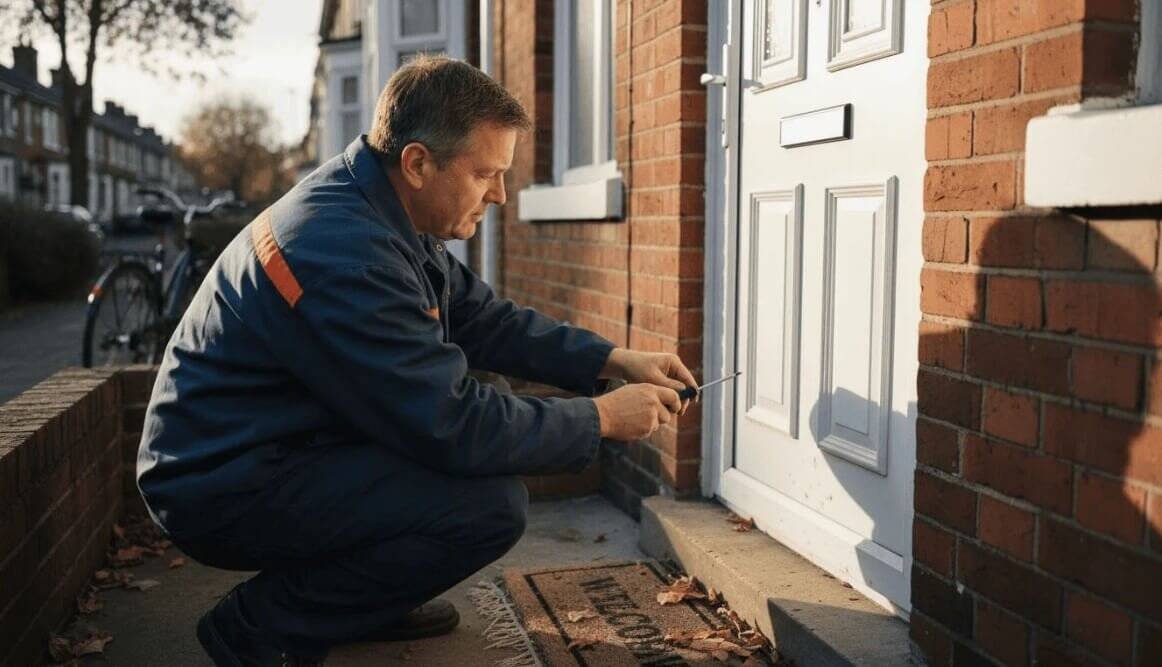
Burglary rates in British cities have driven countless homeowners in Bristol to rethink their approach to UPVC door security. Choosing the right lock means more than just peace of mind. It also protects your insurance standing and keeps your property safer against attacks like cylinder snapping. This guide breaks down how UPVC door locks work, the unique risks your doors face, and the smart upgrade options that meet British Standard requirements.
Table of Contents
- What UPVC Door Locks Are and How They Work
- Common Types of UPVC Door Locks Explained
- Key Security Vulnerabilities and Burglary Risks
- Meeting UK Insurance and Legal Requirements
- Costs, Savings and Alternatives for Homeowners
Key Takeaways
| Point | Details |
|---|---|
| Understanding UPVC Locks | UPVC door locks utilise multi-point locking mechanisms for enhanced security, making forced entry more difficult. It’s crucial to prioritise locks with British Standard approval and anti-snap features. |
| Types of Locks | Common types include Euro cylinder, mortice locks, and multi-point mechanisms, each offering varying levels of security for different door types. |
| Security Risks | Vulnerabilities like lock picking and cylinder snapping can compromise UPVC locks; implementing advanced locks and strict key management can mitigate these risks. |
| Cost-Benefit Analysis | Upgrading to modern UPVC door locks can lead to significant energy savings and potential reductions in insurance premiums, making it a worthwhile investment. |
What UPVC Door Locks Are and How They Work
UPVC door locks are specialised locking mechanisms designed specifically for unplasticised polyvinyl chloride (uPVC) doors, which have become increasingly popular in Bristol homes due to their durability and low maintenance. Multi-point locking mechanisms represent the core technology behind these security systems, offering enhanced protection compared to traditional single-point locks.
These sophisticated locking systems typically operate through an integrated mechanism that secures the door at multiple points along the frame simultaneously. When a homeowner lifts the door handle, strategically positioned hooks, rollers, and deadbolts engage with reinforced points around the door frame. This design creates a robust seal that makes forced entry significantly more challenging for potential intruders.
The primary components of a UPVC door lock include a euro cylinder, a thumb-turn mechanism, and multiple locking points that distribute security pressure evenly across the door. Lockable mechanisms with thumb-turn features ensure residents can quickly exit in emergencies while maintaining external security. Advanced models may also incorporate keypad or electronic entry systems, providing additional layers of access control.
Pro tip: When selecting a UPVC door lock, always prioritise British Standard-approved mechanisms that offer at least three locking points and include anti-snap cylinder protection for maximum home security.
Common Types of UPVC Door Locks Explained
UPVC door locks come in several specialised configurations designed to meet different security requirements for Bristol homes. The most prevalent types include euro cylinder locks, mortice locks, and multi-point locking mechanisms, each offering unique advantages in protecting residential properties. Specific lock types for HMO properties demonstrate the nuanced approach needed for comprehensive home security.
The euro cylinder lock represents a popular choice, featuring a rectangular metal mechanism that can be quickly replaced if compromised. These locks typically operate with a key from the outside and a thumb-turn from the inside, allowing rapid exit during emergencies. Advanced versions include anti-snap technologies that prevent criminals from breaking the lock cylinder, a crucial consideration for homeowners seeking robust protection.
Mortice locks offer another sophisticated security solution, embedding the locking mechanism deep within the door frame. These locks integrate a complex system of levers and bolts that engage at multiple points, distributing security pressure and making forced entry exponentially more challenging. Modern mortice locks often incorporate additional safety features like deadbolts and security hooks that provide comprehensive protection against intrusion attempts.
Pro tip: When selecting a UPVC door lock, always choose mechanisms with at least three locking points and ensure they meet British Standard BS3621 security ratings for maximum home protection.
The table below compares the main types of UPVC door locks and their essential features:
| Lock Type | Security Level | Common Use Location | Key Advantage |
|---|---|---|---|
| Euro Cylinder | Moderate to High | Front and back doors | Easy to replace if compromised |
| Mortice Lock | High | Main entrance, older homes | Deep-set mechanism resists attacks |
| Multi-Point Mechanism | Very High | Modern UPVC doors | Even pressure at multiple points |
Key Security Vulnerabilities and Burglary Risks
UPVC door locks in Bristol homes face numerous security vulnerabilities that can compromise residential safety. Burglars often exploit specific weaknesses in lock mechanisms, with lock picking and cylinder snapping representing the most common intrusion techniques. Inappropriate lock selection risks can create dangerous scenarios that leave properties exposed to potential criminal activities.
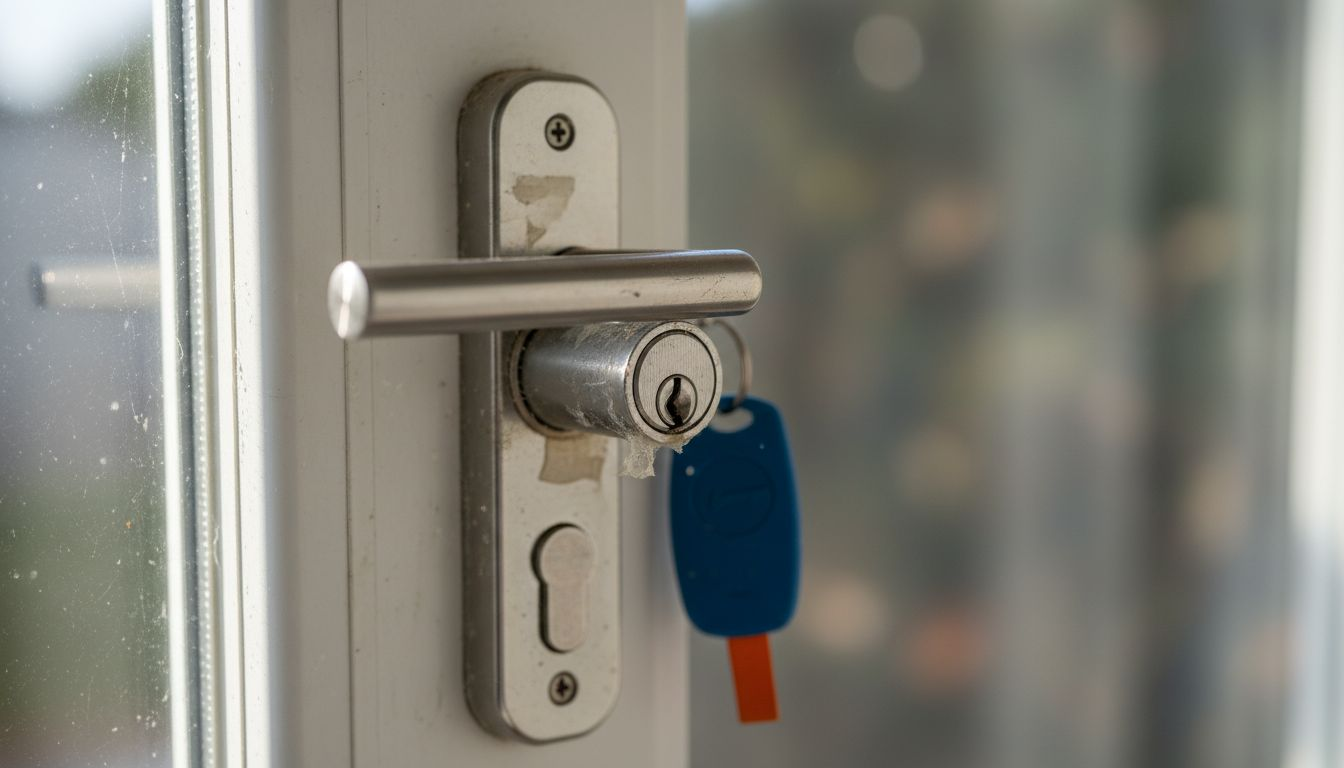
Cylinder snapping remains a particularly prevalent threat for homeowners. Older UPVC door locks with standard euro cylinders can be easily broken by criminals using simple tools, allowing direct access to the internal locking mechanism. Sophisticated burglars can snap these cylinders in seconds, rendering traditional locks ineffective. Anti-snap locks with reinforced design and British Standard accreditation provide significant protection against these calculated intrusion methods.
Electronic and keypad locks also present unique security challenges. Power failures can compromise electronic locking systems, potentially leaving homes vulnerable during critical moments. Additionally, key control becomes a crucial consideration – lost or duplicated keys can create significant security risks, especially in shared living environments or properties with multiple occupants. Implementing strict key management protocols and using advanced locking technologies can substantially mitigate these potential entry points for criminals.
Pro tip: Consider upgrading to insurance-approved locks with at least three locking points and anti-snap cylinder protection to dramatically reduce your home’s burglary risk.
Meeting UK Insurance and Legal Requirements
Homeowners in Bristol must navigate complex legal and insurance requirements when selecting UPVC door locks. Compliance with standard lock specifications is crucial for maintaining valid home insurance coverage and meeting statutory safety regulations. The British Standard BS3621 represents the primary benchmark for residential lock security, which insurers consistently reference when evaluating property protection.
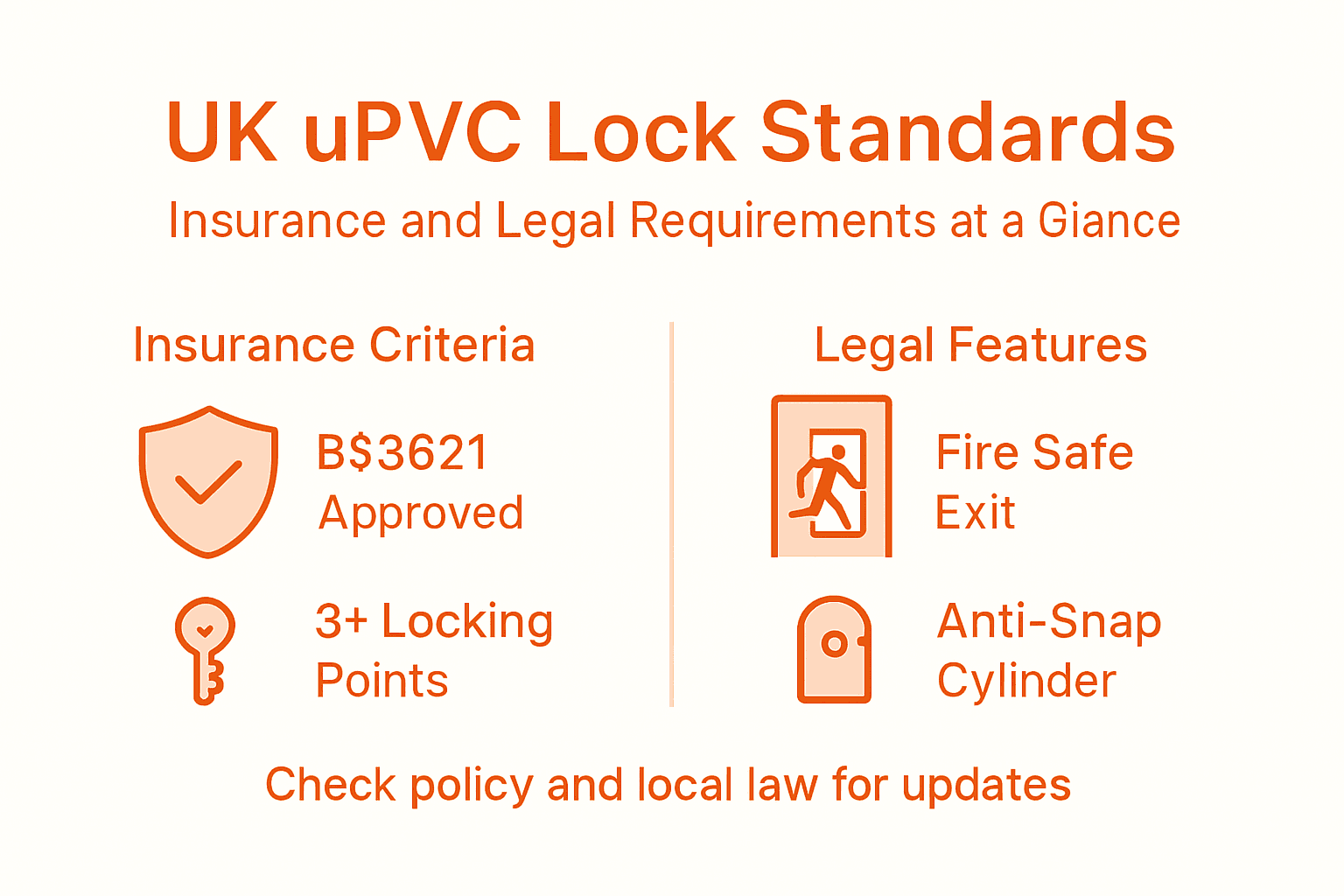
Insurance providers typically mandate specific lock standards to mitigate potential risks. Locks must demonstrate robust protection against forced entry, with multi-point locking mechanisms and anti-snapping technologies becoming increasingly important. Most insurance policies require external doors to feature locks that meet BS3621 standards, which involve rigorous testing for resistance against picking, drilling, and manipulation. Failure to install compliant locks can result in rejected claims and potential financial vulnerability during a break-in scenario.
Legal requirements extend beyond insurance considerations, incorporating critical safety elements. Fire safety regulations demand locks that allow rapid evacuation, particularly in multi-occupancy properties. Electronic and keypad locks must include fail-safe mechanisms that unlock automatically during power failures, ensuring occupants can always exit quickly. Property owners must balance security requirements with emergency escape protocols, making professional locksmith consultation essential for comprehensive compliance.
Pro tip: Consult a professional locksmith to conduct a comprehensive security assessment, ensuring your UPVC door locks meet both insurance requirements and legal safety standards.
Costs, Savings and Alternatives for Homeowners
Upgrading UPVC door locks represents a strategic investment for Bristol homeowners, balancing security, energy efficiency, and long-term financial benefits. UPVC door installations offer remarkable cost-effectiveness across multiple dimensions, with initial expenses offset by substantial ongoing savings. Homeowners can expect reduced maintenance costs, improved energy performance, and enhanced property security through intelligent lock upgrades.
The financial considerations extend beyond immediate installation expenses. Modern UPVC door locks with multi-point locking mechanisms can contribute to significant energy savings, typically reducing household heating costs by preventing drafts and improving thermal insulation. Advanced lock technologies featuring enhanced sealing properties create a more energy-efficient home environment, potentially delivering annual savings between £70 and £250, depending on the property’s size and existing infrastructure.
Alternative options for budget-conscious homeowners include phased upgrades, where critical entry points are secured first, followed by comprehensive lock replacements. Some insurance providers offer discounts for properties with approved security mechanisms, potentially offsetting upgrade costs. Homeowners can also explore refurbishing existing locks with anti-snap cylinders or additional security features, which provide a more economical approach to improving home protection without complete replacement.
Pro tip: Request quotes from multiple locksmiths and compare not just installation costs, but potential long-term energy and insurance savings before making your final lock upgrade decision.
Here is a summary of typical costs and savings associated with upgrading UPVC door locks:
| Factor | Typical Range | Potential Impact on Homeowners |
|---|---|---|
| Upgrade Installation Cost | £100 – £350 per door | Upfront investment required |
| Annual Energy Savings | £70 – £250 | Lower bills due to better insulation |
| Insurance Premium Discount | 5% – 10% potential | Reduced cost with approved locks |
| Maintenance Needs | Low | Lower long-term costs than timber doors |
Secure Your Bristol Home with Expert UPVC Door Lock Upgrades
Are you concerned about the security vulnerabilities of your current UPVC door locks? This article highlights critical risks such as cylinder snapping and inadequate locking points that compromise your home safety. Protect your property with trusted British Standard BS3621-approved locks and multi-point locking mechanisms designed to keep intruders out and ensure rapid exit in emergencies.
At AHLP Locksmiths, we understand the importance of robust UPVC door lock security for Bristol homeowners. Our professional locksmith services specialise in installing anti-snap cylinders, multi-point locking systems and providing security consultations tailored to your needs. With fast, local support from our skilled local locksmith team and no call-out fees, we make upgrading your door locks effortless and worry-free.
Don’t leave your home exposed to burglary risks. Contact us today on 07700 100146 to arrange a comprehensive security assessment and lock upgrade. Take action now to secure your Bristol property with locking solutions that combine safety, compliance and peace of mind.
Frequently Asked Questions
Why should I upgrade my UPVC door locks?
Upgrading your UPVC door locks improves your home security, enhances energy efficiency, and can potentially reduce insurance premiums. Modern locks often feature advanced technology, such as multi-point locking mechanisms and anti-snap designs, making forced entry significantly more challenging.
What are the common types of UPVC door locks to consider?
The common types of UPVC door locks include euro cylinder locks, mortice locks, and multi-point locking mechanisms. Each type offers varying levels of security, with multi-point locks providing the highest protection by securing the door at multiple points along the frame.
How can I identify the security vulnerabilities in my current UPVC door locks?
Common vulnerabilities in UPVC door locks include cylinder snapping and lock picking. It’s advisable to consult with a professional locksmith to conduct a security assessment and identify specific weaknesses that can be addressed with upgraded locking solutions.
What specifications should I look for in UPVC door locks?
When selecting UPVC door locks, look for mechanisms that meet British Standard BS3621, which ensures robust protection against forced entry. Prioritise locks with at least three locking points and consider those with anti-snap features for enhanced security.