
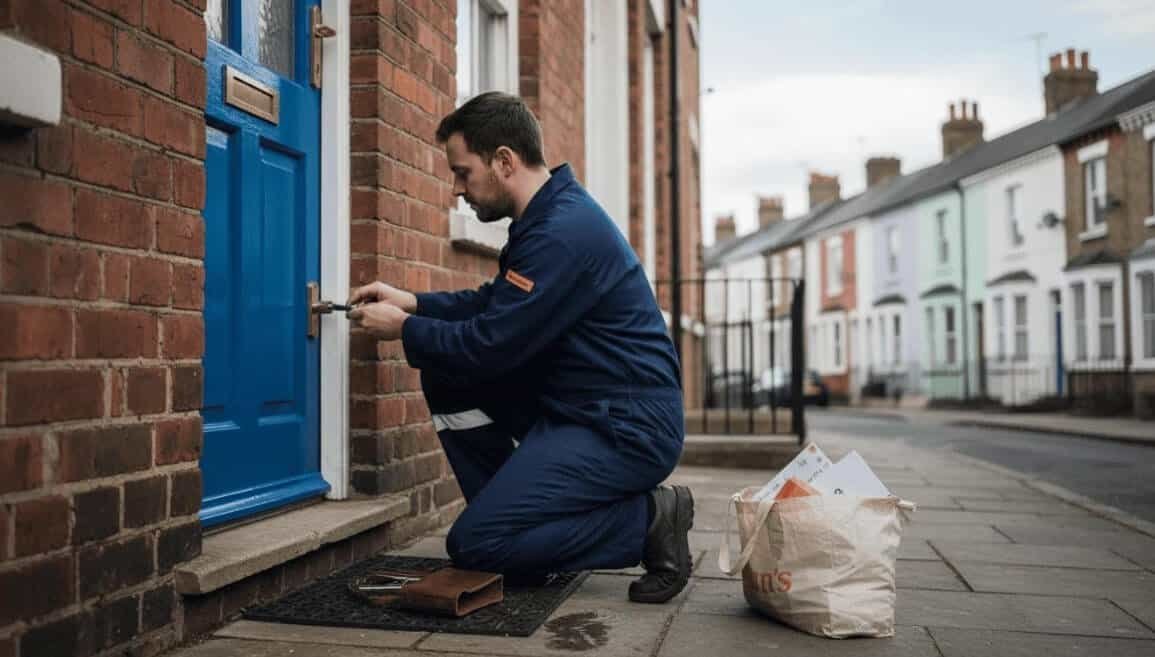
Suddenly finding yourself with new keys or fearing who else might still have access is unsettling for any Bristol or South Gloucestershire homeowner. When you move into a new property, experience a break-in, or realise your locks are outdated, changing locks is the first step toward real peace of mind and improved security. This guide offers clear advice on when to act, what to watch for, and how upgrading your locks can protect your home against risks old and new.
Table of Contents
- Changing Locks — Core Reasons And Concepts
- Common Lock Types And Security Standards
- When And Why Locks Should Be Replaced
- Legal Duties For Home Security In The UK
- Costs, Risks And Choosing A Locksmith
Key Takeaways
| Point | Details |
|---|---|
| Importance of Lock Replacement | Change locks immediately after moving, losing keys, or experiencing a break-in to enhance security. |
| Regular Maintenance | Replace locks every five to seven years or when signs of wear appear to ensure ongoing protection. |
| Understanding Lock Types | Familiarise yourself with common lock types and their strengths to select the best option for your home security. |
| Choosing a Reputable Locksmith | Ensure locksmiths are properly qualified and reputable to avoid risks associated with poor-quality work. |
Why Change Your Locks: Core Reasons And Concepts
Changing locks represents a critical aspect of home security that many Bristol homeowners overlook. Whether you’ve recently moved into a new property or experienced significant changes in your living circumstances, understanding when and why to replace your locks can protect your most valuable asset.
There are several key scenarios that warrant immediate lock replacement. Critical home security moments include moving into a new home, losing keys, experiencing a break-in, or noticing significant lock wear. Previous keyholders like estate agents, contractors, or prior residents might still possess copies of your keys, creating potential security vulnerabilities. Professional locksmiths recommend replacing locks immediately after moving to eliminate these risks.
Beyond initial security concerns, regular lock maintenance ensures ongoing protection. Experts suggest replacing locks approximately every seven years or sooner if mechanisms show signs of damage or reduced functionality. Modern anti-snap cylinders and high-security lock options can significantly enhance your home’s defence against potential intruders. Upgrading your locks not only improves physical security but also often satisfies insurance requirements, potentially preventing claim complications in the event of a burglary.
Expert tip: Always keep records of key distribution and consider scheduling a professional security assessment every few years to identify potential vulnerabilities in your home’s locking systems.
Common Lock Types And Security Standards
Understanding the different lock types and security standards is essential for protecting your Bristol home. Homeowners have multiple options when considering lock mechanisms, each offering unique levels of protection and functionality. Modern home security demands a nuanced approach to selecting the right locking system.
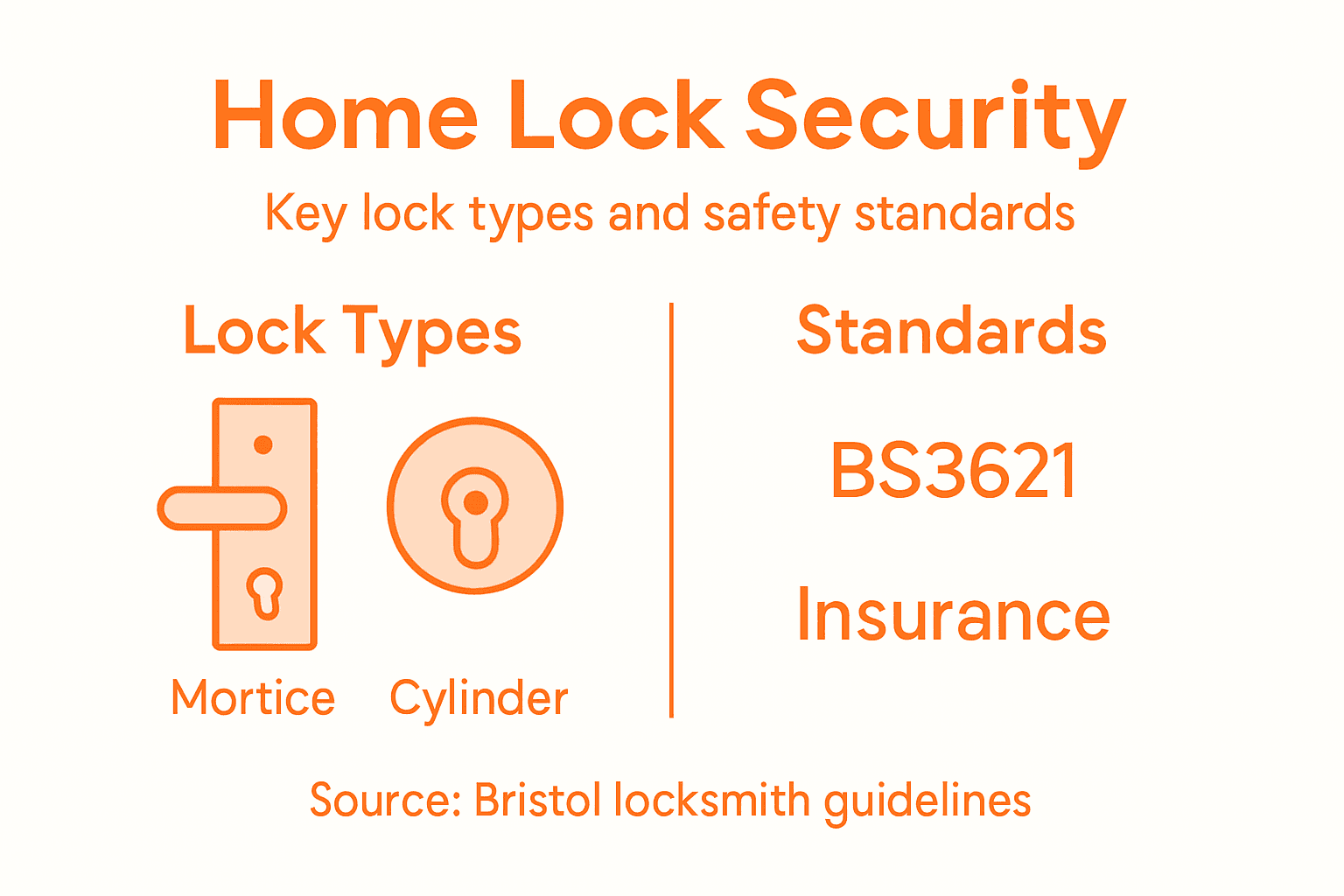
The most common lock types include mortice locks, cylinder locks, and deadbolts. Common home lock varieties range from traditional mechanical designs to advanced electronic systems. Cylinder locks, typically found in UPVC doors, use a pin tumbler mechanism that provides reliable security. Mortice locks, which are embedded within the door itself, offer enhanced strength and are often recommended for wooden exterior doors. Deadbolts provide an additional layer of security by extending a solid metal bolt into the door frame, making forced entry significantly more difficult.
To help you choose the right lock for your property, here is a comparison of common home lock types and their main strengths:
| Lock Type | Best For | Main Strength |
|---|---|---|
| Mortice Lock | Wooden exterior doors | Enhanced strength and depth |
| Cylinder Lock | UPVC and modern composite doors | Versatile and easy to replace |
| Deadbolt | Additional security on main doors | Strong resistance to force |
Security standards play a crucial role in determining lock effectiveness. British Standard BS3621 represents the gold standard for home security, indicating that a lock has passed rigorous testing for resistance against picking, drilling, and forced entry. Homeowners should look for locks that meet these standards, as many insurance companies require such certification. Advanced features like anti-snap technology, which prevents cylinder manipulation, and multi-point locking systems offer superior protection against modern burglary techniques.
Expert tip: Consider consulting a professional locksmith to assess your specific home security needs and recommend locks that balance robust protection with practical usability.
When And Why Locks Should Be Replaced
Home security is a dynamic landscape that requires proactive maintenance and strategic decision-making about your locks. Understanding the precise moments and circumstances that necessitate lock replacement can dramatically enhance your property’s protection against potential security breaches.
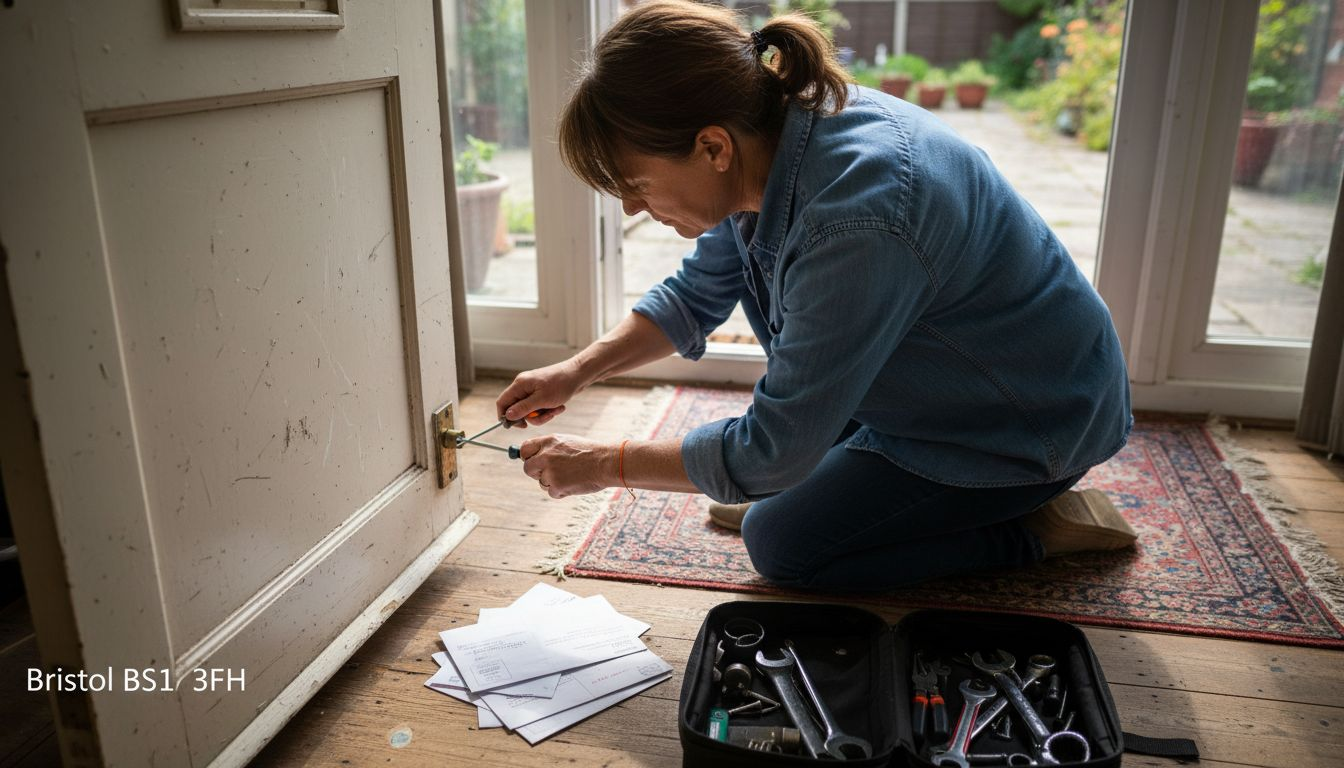
Home security lock replacement strategies become critical during several key life events and property transitions. Moving into a new home immediately demands changing all existing locks, as previous occupants, estate agents, or contractors may still possess key copies. Relationship changes, such as separation or roommate departures also warrant comprehensive lock replacement. Additionally, experiencing a break-in or attempted burglary necessitates immediate lock upgrades to restore your sense of safety and prevent potential repeat incidents.
Technical factors also influence lock replacement timing. Locks naturally deteriorate over time, with mechanical components wearing down and becoming less reliable. Signs of wear include difficulty turning the key, visible rust, loose mechanisms, or keys that no longer fit smoothly. Most security experts recommend evaluating your locks every five to seven years, even if they appear functional. Modern lock technologies offer superior protection with features like anti-snap cylinders, multi-point locking systems, and enhanced resistance to picking and drilling techniques.
Expert tip: Conduct a comprehensive lock security audit annually, checking for signs of wear, technological obsolescence, and potential vulnerabilities in your current locking systems.
Legal Duties For Home Security In The UK
Homeowners in the United Kingdom have specific legal responsibilities when it comes to protecting their property and ensuring the safety of residents and visitors. Understanding these obligations is crucial for maintaining both personal security and potential insurance compliance.
Insurance policies often mandate specific home security requirements that go beyond simple lock installation. Homeowners must demonstrate reasonable care in preventing potential break-ins, which includes maintaining functional locks, installing appropriate security measures, and taking proactive steps to protect their property. This legal duty extends to ensuring that all external entry points, including doors and windows, have working, British Standard-approved locks that meet current security standards.
The legal framework surrounding home security in the UK emphasises the concept of reasonable precaution. This means homeowners are expected to take sensible, proportionate steps to prevent criminal activity. Local authorities and insurance providers often provide guidelines about minimum security standards, which typically include using approved lock mechanisms, maintaining clear visibility around the property, and implementing basic security measures. Failure to take these precautions could potentially impact insurance claims or legal liability in the event of a break-in.
Expert tip: Regularly document your home security improvements, keeping receipts and records of lock replacements and security upgrades to demonstrate your commitment to maintaining a secure property.
Costs, Risks, and Choosing A Locksmith To Change Your Locks
Choosing the right locksmith is a critical decision that impacts your home’s security, financial investment, and personal safety. Bristol homeowners must navigate a complex landscape of professional services, understanding both the potential risks and essential selection criteria for reliable lock maintenance and replacement.
Professional locksmith services require careful consideration of several key factors. Pricing for lock replacement typically ranges from £75 to £250, depending on the complexity of the job, lock type, and number of locks being changed. Homeowners should be wary of unusually low quotes, which might indicate substandard work or hidden charges. Reputable locksmiths will provide transparent pricing, detailed quotes, and demonstrate professional credentials such as Security Industry Authority (SIA) licensing and comprehensive insurance coverage.
The risks associated with choosing an unqualified locksmith can be substantial. Potential dangers include improper lock installation, compromised security, potential property damage, and even the risk of future break-ins due to poor workmanship. Homeowners should conduct thorough background checks, request proof of professional qualifications, and verify references before engaging any locksmith service. Key selection criteria should include industry certifications, positive customer reviews, transparent pricing, and a demonstrated track record of professional security installations.
Consider these practical factors when selecting a professional locksmith service:
| Factor | Why It Matters | What To Look For |
|---|---|---|
| Transparent Pricing | Avoids hidden fees | Detailed written quotes provided |
| Professional Qualifications | Ensures security and quality | SIA licence and insurance cover |
| Customer Reputation | Indicates trustworthiness | Positive, verified client reviews |
| Service Range | Handles varying security needs | Installation, repair, assessments |
Expert tip: Always request and verify a locksmith’s professional credentials, including their SIA licence number and insurance documentation, before allowing them to work on your property’s security systems.
Secure Your Bristol Home Today With Expert Lock Services
Changing your locks is one of the most important steps you can take to protect your Bristol home, especially after moving in, experiencing a break-in, or noticing worn-out mechanisms. With concerns like losing keys or outdated locks that lack anti-snap or British Standard certification, it is critical to act swiftly to maintain your property’s safety and meet insurance requirements. Your peace of mind depends on reliable, high-quality locks that resist forced entry and offer modern security features.
At AHLP Locksmiths, we specialise in comprehensive locksmith services, designed to address all these challenges. Whether you need full lock replacements, anti-snap lock upgrades, or a professional security assessment, our trusted local locksmiths provide transparent pricing and efficient, non-destructive solutions. Do not wait until vulnerabilities become risks. Contact us now on 07700 100146 to secure expert support and protect your home with confidence. For urgent needs, explore our emergency locksmith services to get rapid assistance when it matters most.
Frequently Asked Questions About Why Change Your Locks
When should I change my locks?
You should change your locks immediately after moving into a new home, losing your keys, experiencing a break-in, or noticing significant wear and tear on the locks.
What are the benefits of upgrading my locks?
Upgrading your locks improves your home security, enhances resistance to burglary techniques, and may satisfy insurance requirements, potentially protecting your claims in case of theft.
What types of locks are best for home security?
Mortice locks, cylinder locks, and deadbolts are commonly recommended. Mortice locks offer enhanced strength, cylinder locks are versatile, and deadbolts provide strong resistance to forced entry.
How often should I replace my locks?
Locks should generally be replaced every five to seven years or sooner if you notice signs of wear or decreased functionality. Regular maintenance is crucial for ongoing security.