
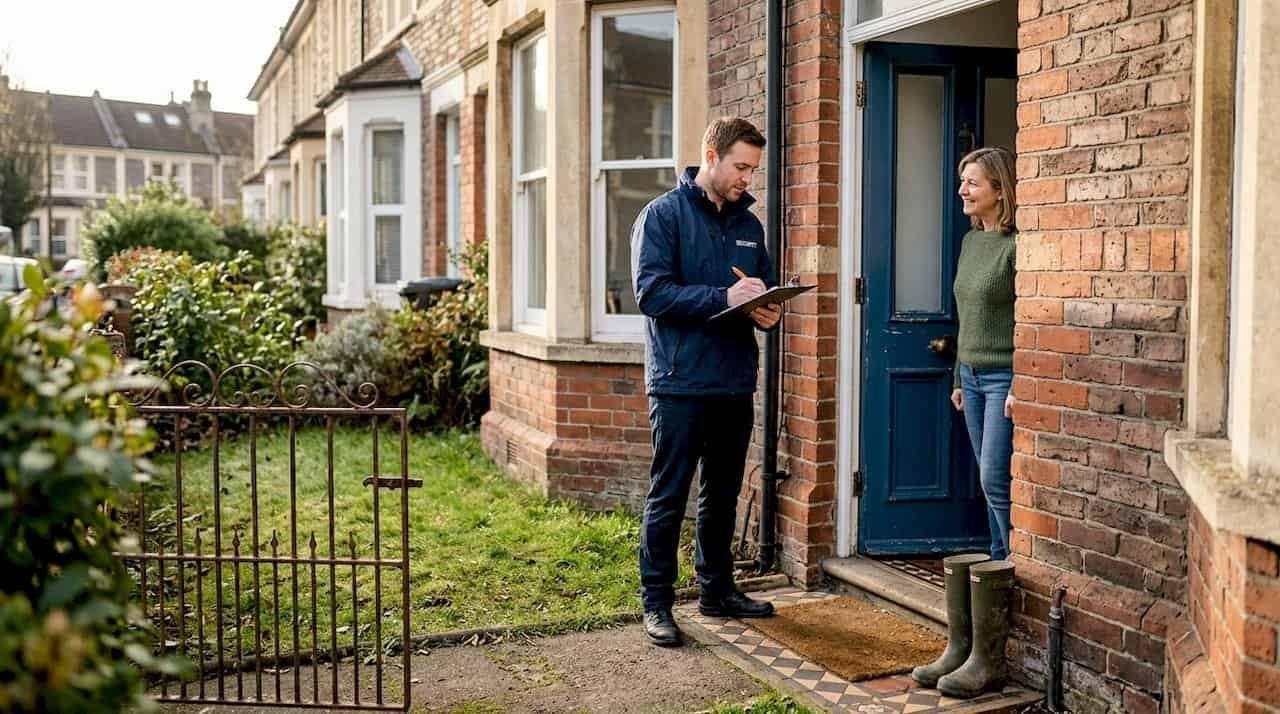
You might assume security consultations are reserved for corporate headquarters or sprawling estates, but that couldn’t be further from the truth. Whether you own a terraced house in Clifton or run a shop in Fishponds, a professional security assessment can transform how you protect what matters most. This guide breaks down exactly what security consultations involve, why they’re essential for Bristol property owners, and how to maximise their value for your home or business.
Table of Contents
- What Is A Security Consultation And Why You Need One
- How Security Consultations Assess Your Property Vulnerabilities
- Common Security Recommendations And Solutions Offered
- How To Prepare For And Get The Most From Your Security Consultation
- Secure Your Property With Trusted Locksmith Services In Bristol
- Frequently Asked Questions
Key Takeaways
| Point | Details |
|---|---|
| Professional vulnerability assessment | Security consultations identify weak points in your property’s defences and recommend tailored solutions based on your specific risks. |
| Significant risk reduction | Implementing expert recommendations can reduce burglary risk by up to 60% whilst potentially lowering insurance premiums. |
| Comprehensive security coverage | Consultations evaluate physical locks, lighting, access points, and increasingly digital security elements for complete protection. |
| Expert locksmith insights | Experienced locksmiths conduct these assessments, offering practical advice on British Standard locks and insurance-compliant upgrades. |
| Long-term safety investment | Following consultation recommendations strengthens property security and provides peace of mind for years to come. |
What is a Security Consultation and Why You Need One
A security consultation is a professional assessment where an experienced locksmith or security specialist evaluates your property’s vulnerabilities and recommends tailored improvements. Unlike generic security advice, consultations consider your specific property type, location within Bristol, occupancy patterns, and individual concerns to create a personalised protection strategy.
The benefits extend far beyond simply identifying weak locks. Consultations educate you about layered security approaches, help you prioritise upgrades within your budget, and ensure any improvements meet insurance requirements. For Bristol homeowners facing neighbourhood crime patterns or business owners protecting stock and equipment, this expert guidance proves invaluable.
Both residential and commercial properties benefit enormously. A consultant examines entry points, lighting conditions, visibility from the street, and existing security measures to spot gaps you’ve likely overlooked. They’ll assess everything from your front door cylinder to that forgotten side gate, providing a comprehensive security picture.
Pro tip: Many property owners mistakenly believe consultations only matter if they’re installing alarm systems or have experienced a break-in. Actually, the best time for a consultation is before any incident occurs, allowing you to prevent problems rather than react to them.
Common misconceptions paint security consultations as expensive services for high-value premises alone. Reality tells a different story. Most locksmiths offer affordable consultations that pay for themselves through prevented losses and potential insurance discounts. Whether you’re securing a rental flat or a retail unit, professional assessment identifies cost-effective improvements that genuinely reduce your risk profile.
The consultation process typically involves a thorough walkthrough where the specialist documents vulnerabilities, discusses your security concerns, and explains practical solutions in plain language. You’ll receive actionable recommendations ranked by priority, helping you tackle the most critical issues first whilst planning future upgrades.
How Security Consultations Assess Your Property Vulnerabilities
Understanding the assessment process helps you appreciate the thoroughness of professional security consultations. Experienced consultants follow systematic approaches to ensure nothing gets overlooked, combining visual inspection with technical expertise to identify every potential weakness.
The exterior inspection forms the foundation of any consultation. Your consultant examines all doors, checking for outdated cylinders, weak frames, or insufficient hinges that could enable forced entry. Windows receive equal scrutiny, particularly ground-floor and accessible upper-floor openings. Lighting conditions matter enormously, as poorly lit areas provide cover for intruders attempting to work unobserved.
Consultants evaluate less obvious exterior vulnerabilities too. Side gates often use inferior locks compared to front entrances, yet provide direct access to rear gardens and back doors. Outbuildings like sheds and garages frequently store valuable tools and equipment but receive minimal security attention. Even your boundary fencing and hedging affects security by either deterring or concealing potential intruders.
Inside your property, the assessment continues with equal detail. Consultants identify safe storage locations for valuables, evaluate internal door security for creating secure zones, and review any existing alarm systems for effectiveness and coverage. They’ll examine access control measures, particularly relevant for businesses managing employee or customer entry.
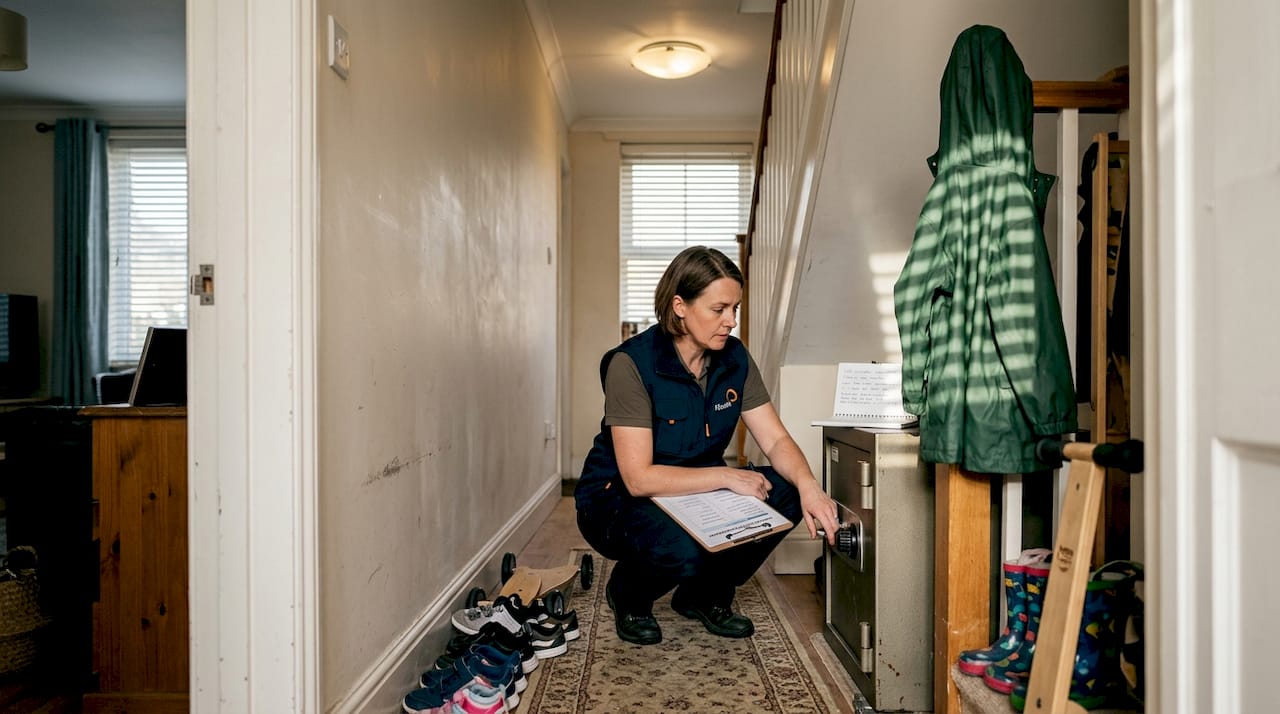
Pro tip: Before your consultation, walk your property’s perimeter at night. You’ll spot lighting gaps and visibility issues that might otherwise go unnoticed, allowing you to raise these specific concerns during the assessment.
The security consultation benefits extend to insurance considerations. Consultants understand insurer requirements for approved locks and security measures, ensuring recommended upgrades maintain your coverage validity. This proves crucial when making claims, as inadequate security can lead to reduced payouts or rejected homeowners insurance claims.
Modern consultations increasingly address digital security vulnerabilities where relevant. Smart locks, security cameras, and alarm systems connected to your network create potential entry points for cyber threats. Consultants advise on secure configuration, password practices, and network protection to prevent digital breaches compromising physical security.
| Vulnerability type | Common locations | Risk level | Typical fix |
|---|---|---|---|
| Outdated lock cylinders | Front and back doors | High | Anti-snap cylinder upgrade |
| Weak door frames | UPVC and wooden doors | High | Frame reinforcement or replacement |
| Insufficient lighting | Side passages and rear gardens | Medium | Motion-activated security lighting |
| Accessible windows | Ground floor and above extensions | Medium | Window locks and laminated glass |
| Unsecured outbuildings | Sheds and garages | Medium | Quality padlocks and hasps |
| Poor boundary security | Side gates and low fences | Low | Secure gate locks and height increase |
Consultants use detailed checklists and assessment tools to ensure consistency and thoroughness. They’ll photograph vulnerabilities with your permission, creating visual records that help you understand their recommendations. This systematic approach means you receive comprehensive advice rather than piecemeal suggestions focused on selling particular products.
Common Security Recommendations and Solutions Offered
Once vulnerabilities are identified, consultants present practical solutions tailored to your property and budget. Understanding common recommendations helps you anticipate costs and prioritise improvements effectively.
Lock replacements and upgrades top most recommendation lists. Outdated cylinders lacking anti-snap protection remain the easiest entry method for opportunistic burglars. Consultants typically suggest British Standard locks meeting insurance requirements, with anti-snap cylinders for UPVC doors and mortice deadlocks for wooden doors providing robust protection.
Alarm systems offer excellent deterrence when properly specified and positioned. Modern systems range from basic audible alarms to monitored solutions alerting security companies or your mobile phone. Consultants help you choose appropriate coverage for your property size and risk level, avoiding both inadequate protection and unnecessary expense.
CCTV installation provides both deterrent value and evidential benefits should incidents occur. Camera placement matters enormously, with consultants recommending positions covering key entry points whilst respecting neighbour privacy. Smart cameras offering remote viewing and motion alerts have become increasingly popular, though consultants ensure these integrate securely with your network.
Motion-activated lighting transforms dark vulnerability zones into well-lit deterrents. Consultants identify optimal placement for sensors and lights, ensuring coverage without nuisance triggering from passing cats or wind-blown vegetation. LED technology makes these systems cost-effective to run whilst providing bright, clear illumination.
Research shows smart locks deter 83% of burglars when properly installed and configured. These systems offer keyless convenience alongside enhanced security features like temporary access codes for visitors and activity logs showing when doors were opened. Consultants advise on models balancing security with user-friendliness.
| Lock type | Best for | Security level | Typical cost | Insurance approved |
|---|---|---|---|---|
| Anti-snap cylinder | UPVC and composite doors | Very high | £80-150 | Yes (BS standards) |
| Mortice deadlock | Wooden doors | High | £60-120 | Yes (5-lever BS) |
| Smart lock | Tech-savvy households | High | £150-400 | Varies by model |
| Multipoint lock | UPVC doors | Very high | £100-200 | Yes |
| Window locks | All window types | Medium | £15-40 per window | Yes |
Securing outbuildings and vehicle storage areas prevents tool theft and protects secondary access points to your main property. Consultants recommend quality padlocks with closed shackles, security hasps bolted through doors, and ground anchors for securing bikes and garden equipment. These relatively inexpensive measures dramatically reduce theft risk.
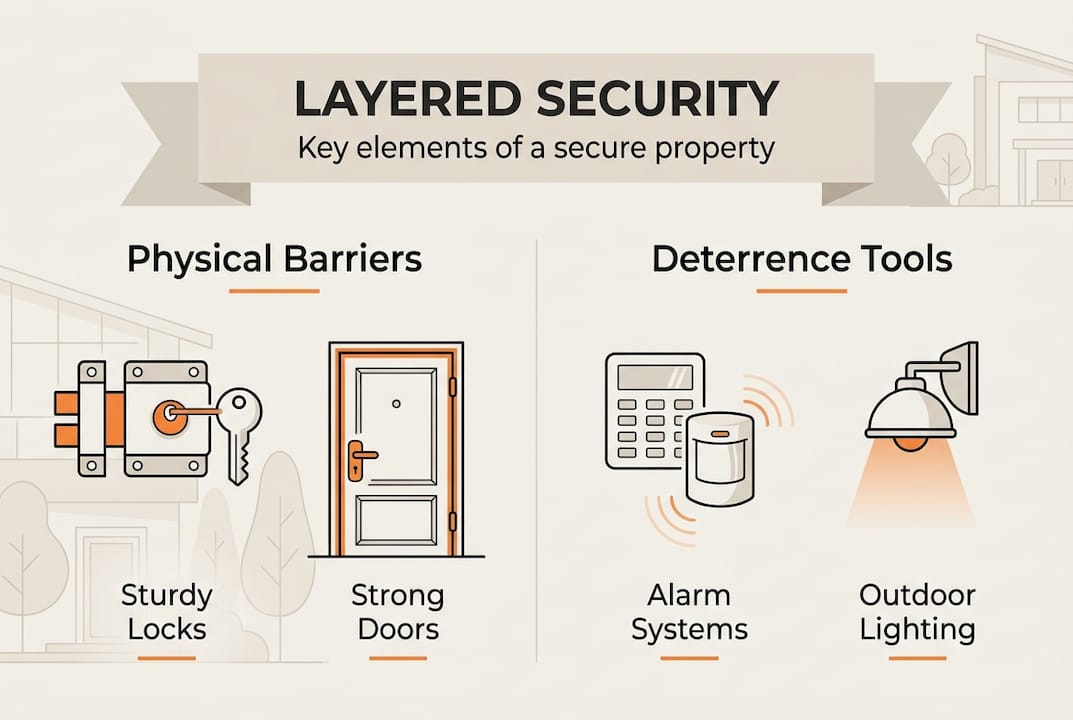
Layered security creates the most effective protection. Rather than relying on a single measure, combining quality locks with lighting, alarms, and visible deterrents makes your property a harder target. Burglars typically spend under two minutes attempting entry, so multiple obstacles encourage them to move on to easier targets.
Professional locksmiths play crucial roles in implementing recommendations. They ensure locks install correctly, align properly, and function smoothly whilst meeting manufacturer specifications for insurance validity. Attempting DIY installation of security hardware often voids warranties and may compromise effectiveness, making professional fitting worthwhile.
Key security upgrades every Bristol property should consider include:
- Upgrading all external door locks to British Standard anti-snap cylinders or 5-lever mortice deadlocks
- Installing window locks on all accessible ground-floor and upper-floor windows
- Adding motion-activated lighting to dark side passages and rear gardens
- Securing outbuildings with quality padlocks and considering alarm extensions
- Reviewing and upgrading boundary security at gates and low fencing points
How to Prepare For and Get The Most From Your Security Consultation
Proper preparation transforms a good consultation into an exceptional one, ensuring you receive maximum value and actionable advice tailored precisely to your needs.
Before the consultation, gather relevant property information that helps the consultant understand your situation. Note any previous security incidents in your neighbourhood, even if your property wasn’t directly affected. Collect insurance policy details showing security requirements, as consultants can ensure recommendations maintain coverage validity. List specific concerns you have, from particular entry points to times when your property stands empty.
Create a written list of questions you want answered. This prevents you forgetting important points during the consultation itself. Consider asking about maintenance requirements for recommended upgrades, expected lifespan of different security measures, and whether phased implementation makes sense for your budget.
Walk your property before the consultant arrives, noting anything that concerns you. That loose back gate, the broken fence panel, or the overgrown hedge obscuring your front door all matter. Making these observations yourself helps you engage more effectively with the consultant’s assessment.
During the visit, accompany the consultant throughout their inspection. This allows you to understand their reasoning and ask questions about specific vulnerabilities as they’re identified. Don’t hesitate to request clarification if technical terms confuse you, as good consultants explain recommendations in accessible language.
Pro tip: Take photos or notes during the consultation, particularly of vulnerabilities the consultant identifies. These visual reminders help when you’re prioritising improvements later and provide before-and-after documentation showing security enhancements you’ve implemented.
Ask about the reasoning behind each recommendation. Understanding why a particular lock type suits your door better than alternatives, or how lighting placement maximises deterrent effect, helps you make informed decisions. Consultants appreciate engaged clients who want to understand security principles rather than simply following instructions.
Discuss costs openly and honestly. Quality consultants provide realistic price ranges for recommended improvements and help you prioritise based on both urgency and budget. They’ll identify which upgrades deliver the greatest security improvement per pound spent, allowing you to tackle high-impact measures first.
Inquire about implementation timelines. Some upgrades like lock changes can happen immediately, whilst others like alarm installation may require scheduling and potentially building work. Understanding timeframes helps you plan effectively and maintain security during any transition periods.
Request written documentation of the consultation findings and recommendations. This creates a reference you can review when making decisions and provides a baseline for measuring future security improvements. Some consultants provide detailed reports with photographs, whilst others offer simpler written summaries.
After the consultation, review the home security checklist for Bristol properties to ensure you’ve covered all essential areas. Cross-reference consultant recommendations against this checklist, identifying any gaps or additional considerations.
Prioritise recommended upgrades systematically. Address immediate vulnerabilities first, particularly those affecting main entry points or areas with recent local crime activity. Plan medium-term improvements next, followed by enhancements that provide incremental security gains.
Schedule follow-up actions promptly. Once you’ve decided which improvements to implement, book installation appointments before motivation wanes. Security upgrades delayed indefinitely provide no protection, so maintain momentum after your consultation.
Consider obtaining multiple consultations if you’re making substantial security investments. Different consultants may offer varied perspectives or identify additional considerations. However, ensure you’re comparing like-for-like recommendations rather than simply seeking the cheapest option, as security effectiveness matters more than initial cost.
Maintain and update your security over time. Schedule regular reviews every two to three years, or sooner if your circumstances change significantly. Moving to shift work that leaves your property empty at unusual times, or local crime pattern changes, both warrant reassessment.
Secure Your Property With Trusted Locksmith Services in Bristol
Protecting your Bristol property requires more than good intentions, it demands expert guidance and professional implementation. AHLP Locksmiths brings decades of combined experience to security consultations across Bristol, South Gloucestershire, and Gloucester, helping homeowners and business owners identify vulnerabilities and implement effective solutions.
Our comprehensive trusted locksmith services cover everything from emergency lockouts to complete security overhauls. We understand local crime patterns and insurance requirements, ensuring our recommendations provide genuine protection whilst maintaining coverage validity. Whether you need anti-snap cylinder upgrades, master key systems, or complete access control solutions, our team delivers quality workmanship using British Standard approved hardware.
Explore our ultimate guide to locksmith services for detailed information about available security options and how they protect different property types. For personalised advice specific to your situation, our home security consultation service provides thorough assessment and actionable recommendations.
Contact AHLP Locksmiths on 07700 100146 to arrange your security consultation. With transparent pricing, no call-out fees, and rapid response times, we make professional security advice accessible and affordable for every Bristol property owner.
Frequently Asked Questions
What is the difference between a security consultation and a locksmith service?
A security consultation involves comprehensive assessment of your property’s vulnerabilities and professional recommendations for improvements. Locksmith services typically focus on installing, repairing, or replacing locks and security hardware. However, these services often work together, as experienced locksmiths conduct consultations using their practical knowledge of how security measures perform in real-world conditions. Many locksmiths offer both services, providing seamless progression from assessment to implementation.
How often should I have a security consultation for my property?
Experts recommend security consultations every two to three years for most properties, or sooner following major changes like extensions, new neighbours, or local crime increases. Regular security consultation benefits include adapting to evolving threats, incorporating new security technology, and ensuring existing measures remain effective. Properties in higher-risk areas or those experiencing staff changes may benefit from annual reviews. After any security incident or attempted break-in, immediate consultation helps identify and address the vulnerabilities that were exploited.
Can a security consultation help reduce my insurance premiums?
Yes, implementing consultant recommendations can significantly lower your insurance costs. Research shows security consultations reduce risk by 60% whilst potentially cutting premiums. Insurers recognise that properties with British Standard locks, alarm systems, and proper security measures present lower claim risks. Many providers offer specific discounts for verified security upgrades, particularly anti-snap locks and monitored alarms. Always inform your insurer about security improvements, as they may reduce premiums or provide enhanced coverage terms.
What should I ask during my security consultation?
Focus your questions on understanding specific vulnerabilities identified and the reasoning behind recommended fixes. Ask about installation costs, timeframes, and ongoing maintenance requirements for suggested upgrades. Discuss whether phased implementation makes sense for your budget, which improvements deliver the greatest security benefit, and how recommendations affect your insurance coverage. Inquire about product warranties, expected lifespan of different security measures, and whether follow-up consultations or ongoing support are available. Review the home security checklist for Bristol properties beforehand to ensure you cover all essential areas during your consultation.
Recommended
- Home security consultation explained: expert advice
- The Ultimate Guide to Home Security: Everything You Need to Succeed in Bristol – Auto Home Lock Pro
- Bristol Commercial Security 101: A Beginner’s Guide to Mastering Office Safety with Locksmiths Bristol
- The Ultimate Guide to Securing Your Bristol Business: Everything You Need to Succeed
- Security reviews explained: comprehensive guide for 2026