

More than half of British homes still rely on outdated locks that fail modern security tests. As burglary methods become more advanced, lingering with old mechanisms can put your safety at real risk. Understanding the weaknesses of traditional locks matters for anyone serious about protecting their property. This guide reveals the crucial shortcomings found in older lock designs and explains how updated standards help shield your home from today’s threats.
Table of Contents
- Old Locks Explained: Security Limitations
- Types Of Locks And Their Vulnerabilities
- Common Signs A Lock Needs Replacement
- Insurance Requirements For Door Locks
- Risks Of Delaying Lock Replacement
Key Takeaways
| Point | Details |
|---|---|
| Outdated Locks Pose Security Risks | Older lock mechanisms often lack modern security features, making homes vulnerable to break-ins. Homeowners should consider upgrading to compliant locks. |
| Recognition of Lock Replacement Signs | Homeowners must be aware of signs indicating a lock needs replacement, such as rust, difficulty turning keys, or lack of certification. Regular assessments are crucial. |
| Insurance Compliance | Locks must meet British Standard BS3621 to ensure home insurance validity; failing to comply may invalidate claims following a break-in. |
| Importance of Timely Replacement | Delaying lock replacement increases vulnerability to intrusions and potential financial losses; proactive maintenance is essential for security. |
Old Locks Explained: Security Limitations
Older locks represent significant vulnerabilities in home security, with mechanical designs that struggle to resist modern break-in techniques. Specific security limitations identified by the National Protective Security Authority demonstrate how outdated lock mechanisms can leave homes exposed to potential intruders.
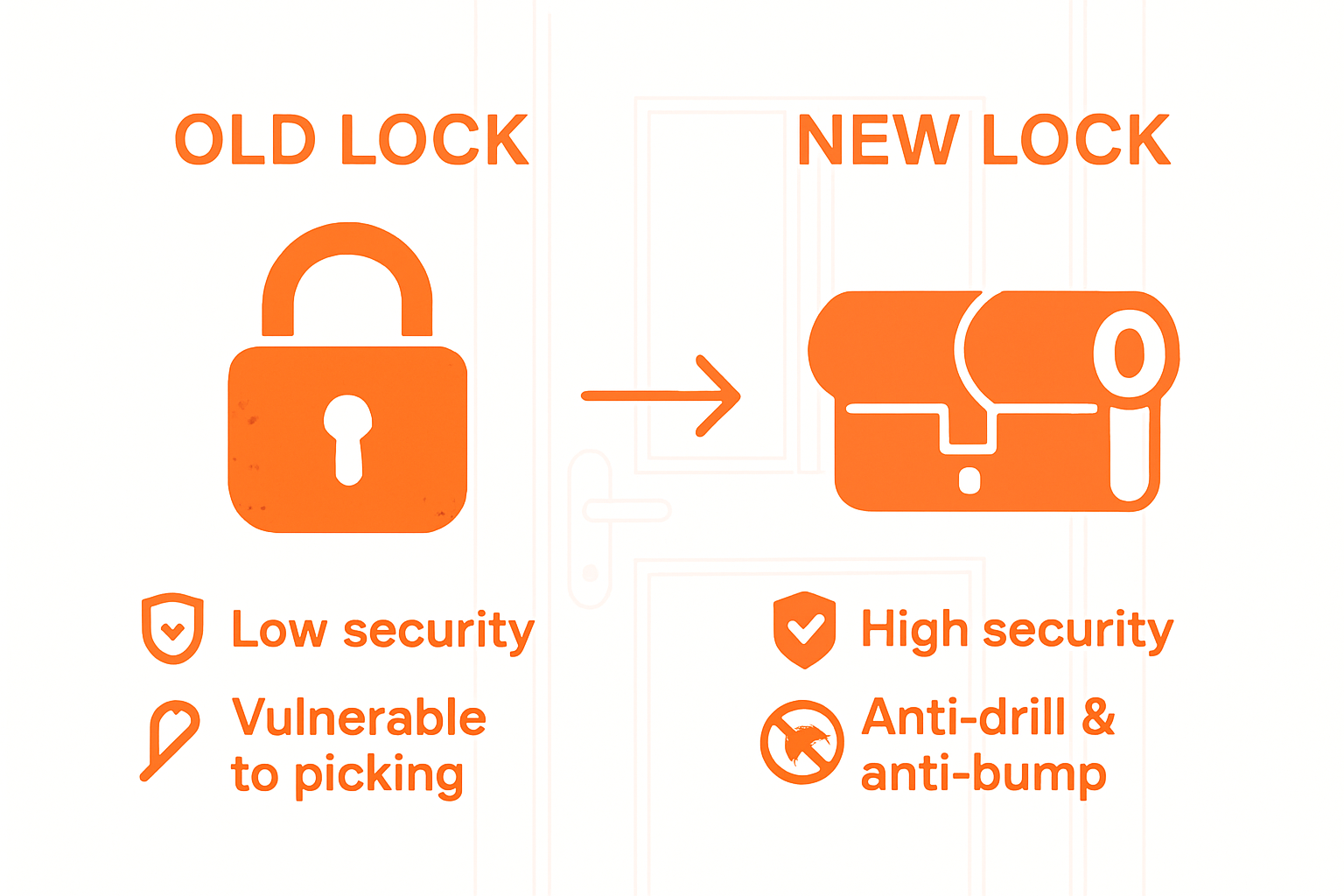
Traditional pin tumbler and wafer tumbler locks frequently lack advanced protection against sophisticated picking and bumping techniques. These older designs often feature simple internal mechanisms that experienced criminals can manipulate relatively quickly. Mechanical vulnerabilities mean that locks manufactured more than a decade ago might provide little more than a basic deterrent, rather than genuine security protection.
Protective standards have evolved significantly, and homeowners should understand these changes. Current UK protective guidelines recommend upgrading to British Standard compliant locks that offer robust resistance against forced entry. Modern locks incorporate multiple security features such as:
- Anti-pick pins
- Hardened steel components
- Drill-resistant plates
- Complex key profiles
By recognising the inherent limitations of older lock designs, homeowners can make informed decisions about protecting their property and loved ones.
Types Of Locks And Their Vulnerabilities
Homeowners face numerous lock types with varying levels of security protection. Comprehensive lock classifications from Churchill Insurance reveal critical differences in security mechanisms across different lock designs. Understanding these variations can help residents make informed choices about protecting their properties.
Nightlatches represent one of the most basic lock types, offering minimal security when used as a primary door mechanism. These surface-mounted locks typically provide little resistance against determined intruders and should never be considered a sole security solution. Professional locksmiths consistently recommend supplementing nightlatches with more robust locking systems to ensure comprehensive home protection.
Multi-point locking systems present a more advanced security approach, distributing engagement points along the door frame to enhance resistance against forced entry. These sophisticated mechanisms differ significantly from traditional single-point locks by:
- Engaging multiple locking points simultaneously
- Distributing pressure across the entire door frame
- Reducing potential weak points in door security
- Requiring precise alignment during installation
Each lock type carries inherent vulnerabilities, making professional assessment crucial for homeowners seeking reliable home security solutions. Proper understanding and strategic lock selection can significantly mitigate potential break-in risks.
Common Signs A Lock Needs Replacement
Recognising when a lock requires replacement is crucial for maintaining home security. Critical lock certification standards outlined by EcoMagazine highlight the importance of proactively identifying potential security vulnerabilities before they compromise your property’s safety.
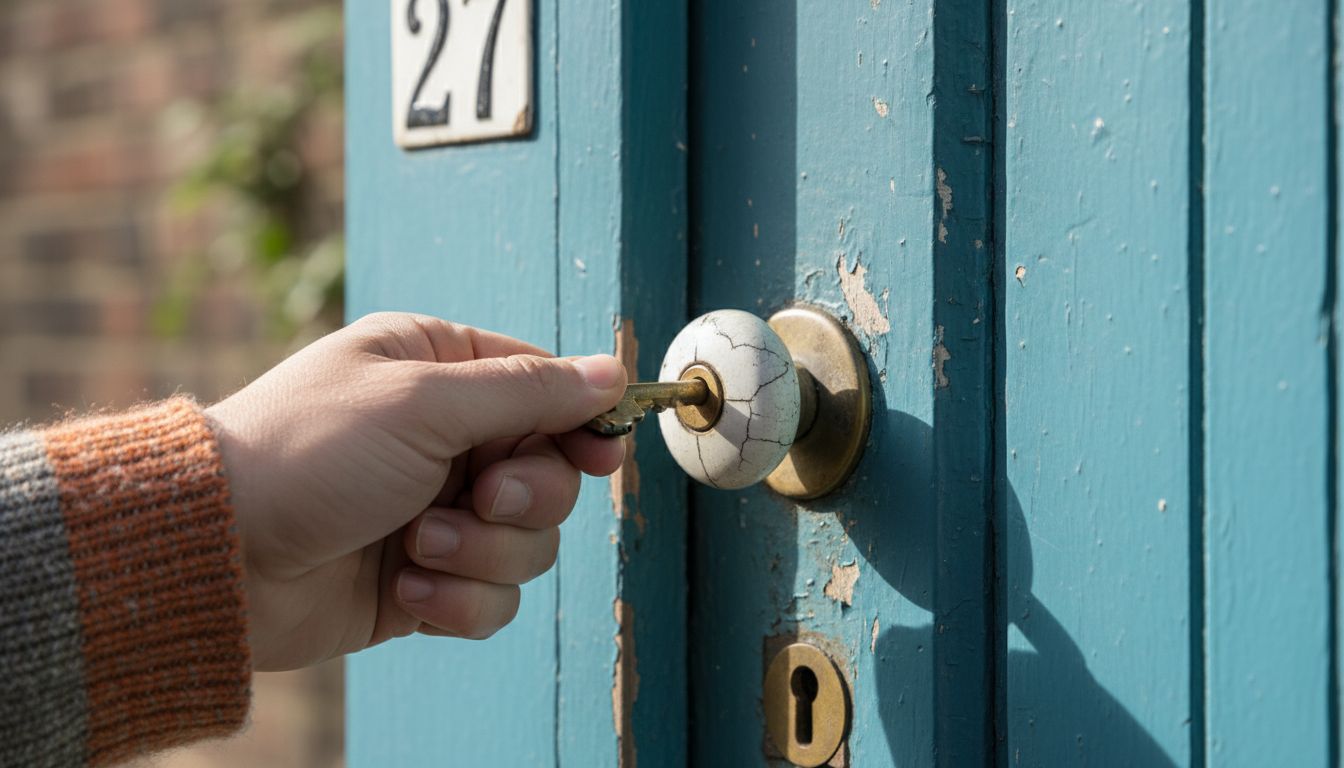
Physical deterioration represents one of the most obvious indicators that a lock needs replacement. Visible signs such as rust, corrosion, stiff mechanisms, or difficulty inserting and turning keys suggest internal components are wearing down. Locks that require excessive force to operate or show significant external damage are compromising your home’s security and should be replaced immediately.
Security standards evolve continuously, making older locks potentially inadequate for modern protection requirements. Homeowners should consider replacement when locks exhibit these critical warning signs:
- Keys become challenging to insert or turn
- Visible rust or metal degradation
- Lock mechanisms feel loose or unstable
- Visible external damage to lock housing
- No British Standard certification
- Mechanisms older than 5-7 years
Professional locksmiths recommend periodic security assessments to identify potential vulnerabilities before they become significant risks. Proactive lock replacement ensures your home remains protected against potential intrusion attempts.
Insurance Requirements For Door Locks
Home insurance policies come with specific security requirements that can directly impact your coverage and potential claims. Detailed lock specifications from Churchill Insurance reveal critical standards homeowners must meet to maintain valid insurance protection.
British Standard BS3621 represents the primary certification insurers demand for residential door locks. This standard requires locks to demonstrate specific security features, including a minimum of five lever mechanisms and a clear Kitemark symbol indicating compliance. Locks failing to meet these requirements can potentially invalidate insurance claims, leaving homeowners financially vulnerable in the event of a break-in.
Insurers typically expect homeowners to implement comprehensive lock security measures, including:
- Locks conforming to BS 3621:2007+A2:2011 standards
- Five-lever mortice deadlocks on external doors
- Kitemark-certified security mechanisms
- Proper installation by professional locksmiths
- Regular maintenance and replacement of worn locks
Professional security assessments can help homeowners understand and meet these critical insurance requirements, ensuring comprehensive protection and maintaining full insurance coverage.
Risks Of Delaying Lock Replacement
Security vulnerabilities identified by the National Protective Security Authority underscore the critical importance of timely lock replacement. Outdated locks create significant opportunities for potential intruders, transforming your home into an attractive target for criminal activity.
Mechanical degradation represents one of the most serious risks associated with delayed lock replacement. As locks age, internal components experience wear and corrosion, making them increasingly susceptible to picking, bumping, and forced entry techniques. Criminals can exploit even minor mechanical weaknesses, compromising your property’s security with surprising ease.
Homeowners face multiple risks when postponing lock replacement:
- Increased vulnerability to break-in attempts
- Potential invalidation of home insurance policies
- Higher likelihood of successful forced entry
- Reduced resistance against sophisticated picking techniques
- Compromised overall home security infrastructure
- Potential financial losses from theft
Professional locksmiths recommend proactive lock maintenance and periodic security assessments to identify and address potential vulnerabilities before they become significant security risks.
Secure Your Home by Replacing Old Locks Today
Older locks with mechanical vulnerabilities pose a serious risk to your home security. As the article highlights, outdated mechanisms struggle to resist modern break-in attempts and may fail to meet current insurance requirements like British Standard BS3621. Ignoring signs of lock deterioration or holding onto simple locks such as nightlatches can leave your property exposed to forced entry, invalidating your insurance and risking financial loss.
Protecting your home means acting now to upgrade to reliable locks that meet stringent security standards. At AHLP Locksmiths, we offer professional Locksmith Services designed to replace worn or outdated locks with insurance-approved mechanisms including anti-snap and multi-point locking systems. Our experienced team serves Bristol, South Gloucestershire and Gloucester with efficient, non-destructive methods, ensuring your peace of mind. Don’t wait until your home’s security is compromised. Contact us today at https://ahlp.co.uk/contact/ or explore how our Local Locksmith experts can strengthen your home’s protection to meet modern security demands.
Frequently Asked Questions
Why should I replace old locks?
Older locks are often mechanically outdated and may not provide adequate protection against modern break-in techniques such as picking and bumping. Replacing them with updated locks enhances your home security and protects against potential intrusions.
What are the signs that my lock needs replacement?
You should consider replacing your lock if you notice physical deterioration, such as rust, corrosion, difficulty inserting or turning keys, or if it feels loose or unstable. Other indicators include visible external damage and if the lock lacks British Standard certification or is older than 5-7 years.
What types of locks are more secure?
Modern locks, especially those compliant with British Standards, incorporate advanced security features such as anti-pick pins, hardened steel components, and drill-resistant plates. Multi-point locking systems offer enhanced protection by engaging multiple locking points, distributing pressure, and reducing weak points in door security.
How do outdated locks affect my home insurance?
Home insurers typically require locks to conform to specific standards, such as British Standard BS3621. If your locks do not meet these requirements, you may risk invalidating your insurance claims in the event of a break-in, leaving you financially vulnerable.
Recommended
- How to Change Door Lock Safely and Securely at Home
- 7 Practical Examples of Lock Replacement for Local Homes
- 7-Step Lock Maintenance Checklist for Home and Business Owners
- New Locks New home | AHLP Locksmiths
- Selecting Secure Wooden Doors for Maximum Protection
- Why Security Is A Top Priority For Residential Back Doors – Timber Windows & Wooden Doors – ATW