

Nearly 60 percent of British homeowners admit they are unsure if their current locks meet modern safety standards. This growing concern highlights how rapidly door security has advanced beyond traditional solutions. With innovative systems like multi-point locking and smart technology now protecting homes, knowing what truly keeps your property secure has never been more important. This guide reveals what sets contemporary door security apart and how British standards can make a difference in your peace of mind.
Table of Contents
- What Door Security Means Today
- Types Of Door Locks And Upgrades
- How Anti-Snap And British Standard Locks Work
- Insurance Compliance And Legal Standards For Doors
- Risks Of Old Locks And Common Security Failures
Key Takeaways
| Point | Details |
|---|---|
| Modern Security Solutions | Contemporary door security involves intelligent design and multi-layered approaches that integrate technology with traditional physical barriers. |
| Types of Locks | Homeowners can choose from various lock types, including smart locks and multi-point locking systems, to enhance security and convenience. |
| Regulatory Compliance | Understanding building regulations and insurance requirements is essential to ensure valid coverage and enhanced safety measures. |
| Risks of Outdated Systems | Older locking mechanisms may expose homes to vulnerabilities; regular assessments and updates are crucial for effective security. |
What Door Security Means Today
Door security in modern homes has transformed dramatically from traditional lock-and-key approaches to sophisticated, multi-layered protection systems. Today’s home security is about intelligent design that combines technological innovation with robust physical barriers. Multi-point locking systems now represent the standard for comprehensive door protection, securing entry points at multiple strategic locations along the door frame.
These advanced security mechanisms go far beyond simple mechanical locks. Modern door security integrates smart technologies with traditional reinforcement techniques, creating comprehensive defence strategies. Elements like anti-snap cylinders, reinforced door cores, toughened safety glass, and intelligent locking mechanisms work together to create formidable barriers against potential intruders. The goal is not just preventing entry, but creating complex, time-consuming obstacles that deter criminal attempts.
Understanding contemporary door security requires recognising its holistic approach. It’s no longer about a single point of resistance, but creating multiple layers of protection. From robust hinges and internal door reinforcements to integrated smart lock technologies that provide real-time monitoring, today’s door security solutions offer homeowners unprecedented control and peace of mind. The modern approach transforms doors from simple entry points into intelligent, responsive security systems that adapt and protect.
Types Of Door Locks And Upgrades
Homeowners today have an extensive range of door lock options, each designed to provide specific security features and protection levels. Cylinder locks represent a fundamental category, encompassing Euro, Oval, and Rim designs that offer varying degrees of sophistication and security. Modern lock technologies have expanded beyond traditional mechanical systems to include intelligent solutions that integrate advanced protection mechanisms.
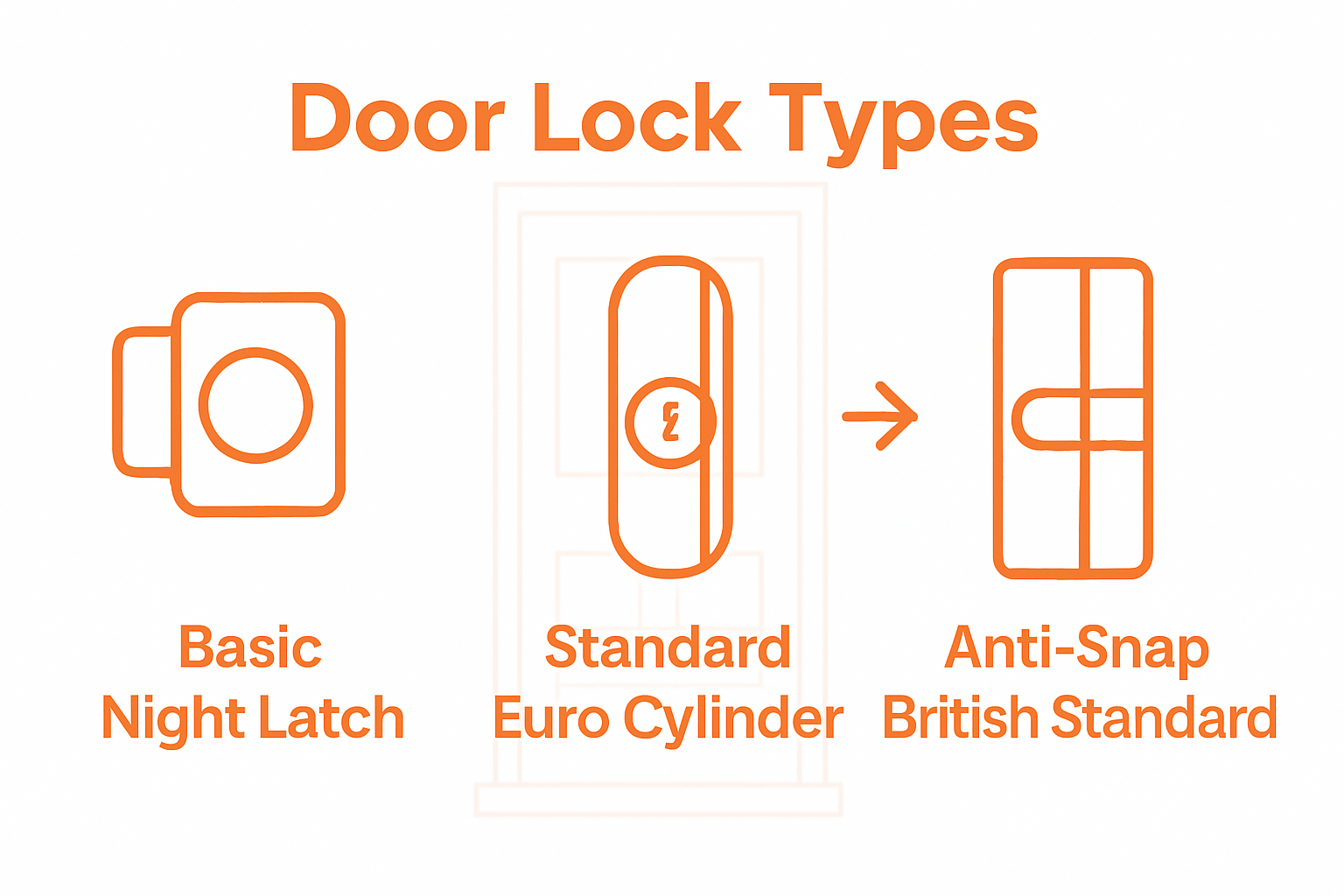
The primary categories of door locks include night latches, smart locks, and multi-point locking systems. Night latches provide basic security with a simple locking mechanism, while smart locks introduce technological integration, allowing homeowners to monitor and control access remotely. Multi-point locking systems represent the pinnacle of contemporary door security, securing the door at multiple points along the frame to create a robust barrier against potential intrusions.
Upgrading door locks involves considering specific security enhancements like anti-snap cylinders, anti-pick mechanisms, and integrated smart access control systems. These upgrades transform ordinary doors into intelligent security solutions. Homeowners can choose from various materials and styles, including composite, aluminium, timber, uPVC, and steel doors, each offering unique security characteristics. The key is selecting a lock system that not only provides physical protection but also offers convenience, technological integration, and peace of mind.
How Anti-Snap And British Standard Locks Work
British Standard locks represent a critical evolution in home security, establishing rigorous testing protocols that ensure superior protection for homeowners. Five-lever mortice locks conforming to BS 3621 exemplify these advanced security standards, providing a comprehensive defence against potential break-in attempts. These locks undergo extensive testing to guarantee they meet stringent security requirements, giving homeowners confidence in their door’s protective capabilities.
Anti-snap cylinder technology addresses one of the most common vulnerabilities in traditional lock mechanisms. Designed to prevent criminals from breaking locks through cylinder snapping techniques, these innovative locks feature reinforced internal components that resist tampering. When a would-be intruder attempts to snap the cylinder, the lock’s specialized design triggers a deliberate breaking point that prevents full cylinder removal, effectively blocking unauthorized access.
The integration of British Standard specifications with anti-snap technology creates a multi-layered security approach. Homeowners benefit from locks that not only meet official safety standards but also incorporate advanced technological defences. These systems go beyond simple mechanical barriers, offering intelligent protection that adapts to evolving criminal techniques. By combining robust physical construction with smart design principles, modern locks transform entry points from potential vulnerabilities into formidable security checkpoints.
Insurance Compliance And Legal Standards For Doors
Navigating the complex landscape of door security requires understanding both legal requirements and insurance compliance standards. Building regulations mandate specific safety features for doors, particularly in properties with single main escape routes or upper-floor apartments. These regulations ensure that locks can be operated quickly from the inside during emergencies, balancing security with crucial safety considerations.
Insurance companies have increasingly stringent requirements for door security, often specifying minimum lock standards that homeowners must meet to maintain valid coverage. Policies typically require British Standard approved locks, anti-snap cylinders, and multi-point locking mechanisms. Failure to comply with these standards can result in invalidated insurance claims, leaving homeowners financially vulnerable in the event of a break-in or theft.
Understanding these legal and insurance standards is more than a bureaucratic exercise—it’s a critical aspect of comprehensive home protection. Homeowners must not only invest in high-quality locks but also ensure they meet specific technical standards that demonstrate proactive security measures. These requirements evolve continuously, reflecting advances in criminal techniques and security technologies, making it essential for property owners to stay informed and regularly review their door security infrastructure.
Risks Of Old Locks And Common Security Failures
Outdated lock systems represent a significant vulnerability for homeowners, exposing properties to sophisticated criminal techniques. Older security systems lack critical features like remote monitoring and smart home integration, rendering them increasingly ineffective against modern burglary methods. Criminals continually adapt their approaches, exploiting weaknesses in traditional lock mechanisms that might have been secure a decade ago.
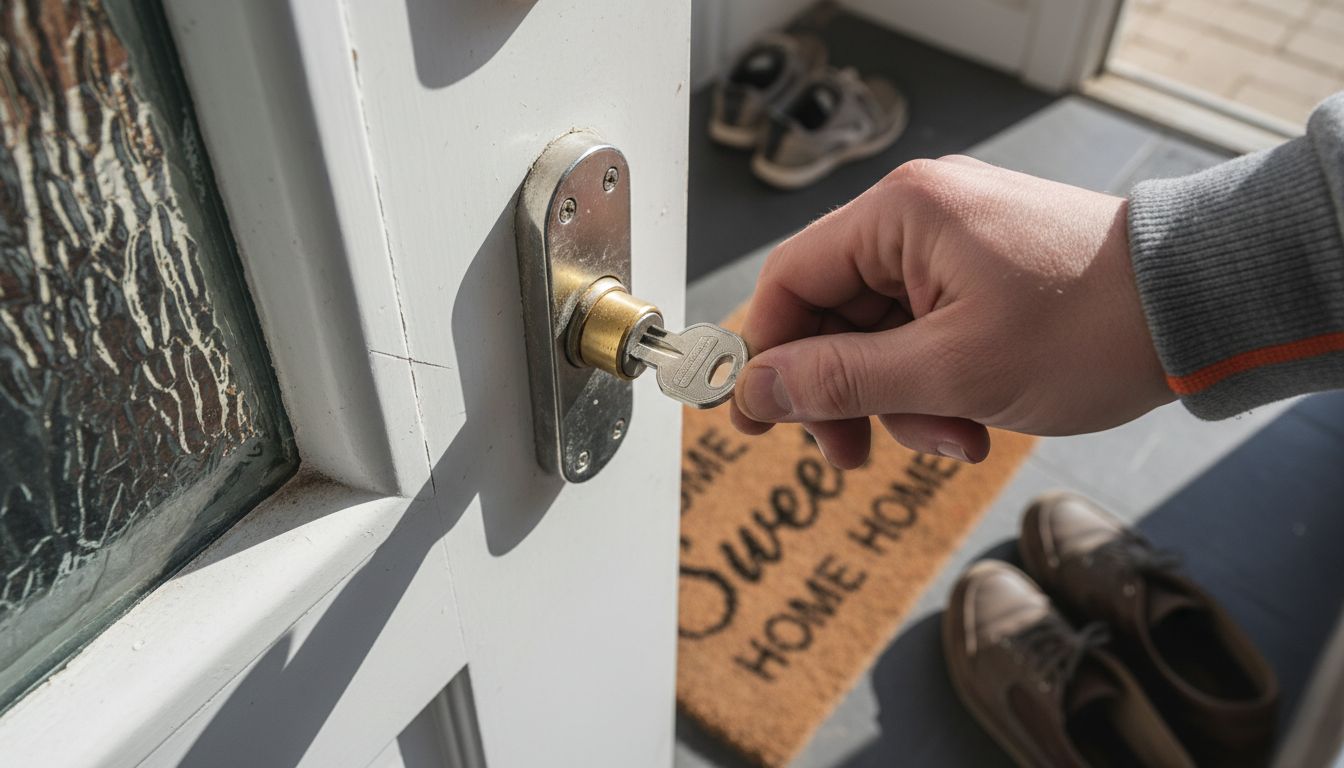
Common security failures often stem from seemingly minor oversights that can dramatically compromise home protection. Visible key safes, improperly positioned external security elements, and outdated locking mechanisms create potential entry points for intruders. Criminals are adept at identifying and exploiting these vulnerabilities, with some key safes potentially acting as beacons that signal potential access routes if not strategically placed and concealed.
The rapid evolution of security technologies means that locks installed just a few years ago might now be considered obsolete. Technological advancements have transformed home security from mechanical barriers to intelligent, interconnected systems that can detect, deter, and respond to potential threats. Homeowners must understand that security is not a one-time investment but an ongoing process of assessment, upgrading, and adaptation to emerging risks and technological innovations.
Strengthen Your Home Security with Expert Locksmith Solutions
The article highlights the critical need to upgrade door security to protect your Bristol home from evolving threats. Outdated locks and common security failures leave you vulnerable to break-ins and may invalidate your insurance if standards are not met. Modern security demands multi-point locking systems, British Standard-approved locks, and anti-snap cylinders that provide multiple layers of protection and peace of mind.
At AHLP Locksmiths, we understand these challenges and offer specialist Locksmith Services designed to enhance your door security using quality British Standard and insurance-approved hardware. Whether you need an anti-snap lock upgrade or a full security consultation for your composite, uPVC, or wooden door, our trusted Local Locksmith team delivers fast, non-destructive solutions with transparent pricing. Do not wait until vulnerability becomes reality — act now to secure your home and safeguard your loved ones.
Contact us today at AHLP Locksmiths to arrange a security upgrade that meets insurance compliance while giving you true peace of mind.
Frequently Asked Questions
What are the benefits of upgrading my door security?
Upgrading door security enhances protection against intrusions, reduces your vulnerability to break-ins, and helps prevent potential theft. Modern locks and security systems provide greater peace of mind through advanced features like multi-point locking and smart technology integration.
How do anti-snap locks enhance security compared to traditional locks?
Anti-snap locks are designed to prevent criminals from breaking the lock through cylinder snapping techniques. They feature reinforced components that resist tampering, creating a stronger barrier against forced entry compared to traditional locks.
What are British Standard locks, and why are they important for home security?
British Standard locks meet stringent testing and safety requirements, ensuring robust protection against break-ins. They are recognised by insurance companies and can be essential for maintaining valid home insurance coverage, making them an important investment for homeowners.
How can I identify if my current door locks are outdated?
Look for visible signs of wear, lack of advanced features like smart technology and remote monitoring, or if they do not meet British Standard specifications. Regularly assess your locks and consider upgrading if they don’t meet current security standards.