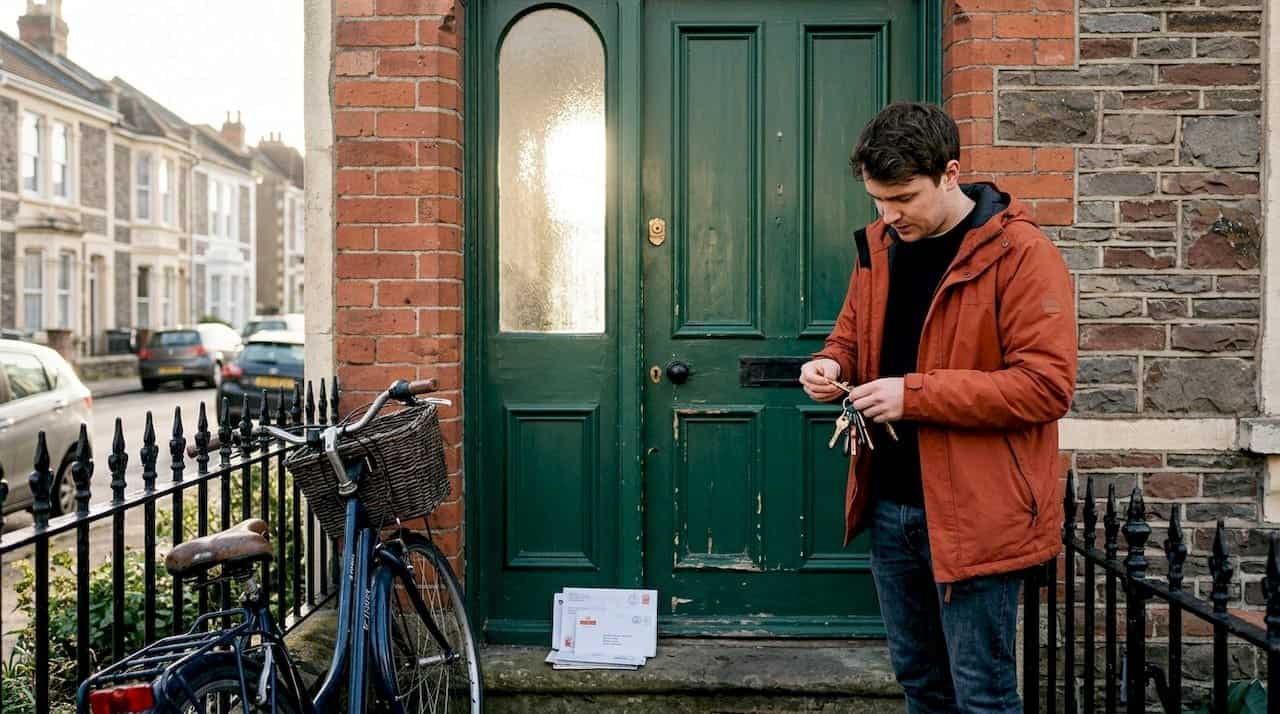
If you manage a home or business in Bristol, you’ve probably experienced the frustration of juggling a bulging keychain. One key for the front door, another for the back, a third for the garage, and yet another for the shed. It adds up fast. A keyed alike system offers a straightforward solution, letting a single key operate multiple locks across your property. In this article, we explain exactly how these systems work, which lock types are compatible, how they compare to other access methods, and when they’re the right choice for your property.
Table of Contents
- What is a keyed alike system?
- How does a keyed alike system work?
- Types of locks and compatibility
- Keyed alike vs keyed different vs master key systems
- Key benefits of using a keyed alike system
- Risks and drawbacks of keyed alike systems
- Expert guidance: making the right choice for Bristol homes and businesses
- Get help choosing or installing a keyed alike system
- Frequently asked questions
Key Takeaways
| Point | Details |
|---|---|
| One key access | A keyed alike system lets you open several locks with a single key for efficient access. |
| Convenience vs. risk | Losing your master key compromises all locks, so keep it secure and consider risks carefully. |
| Best for low-risk areas | These systems suit gates, garages and shared access but not high-turnover or high-value security. |
| Check compatibility | Only use locks of the same type and brand profile for keyed alike setups. |
What is a Keyed Alike System?
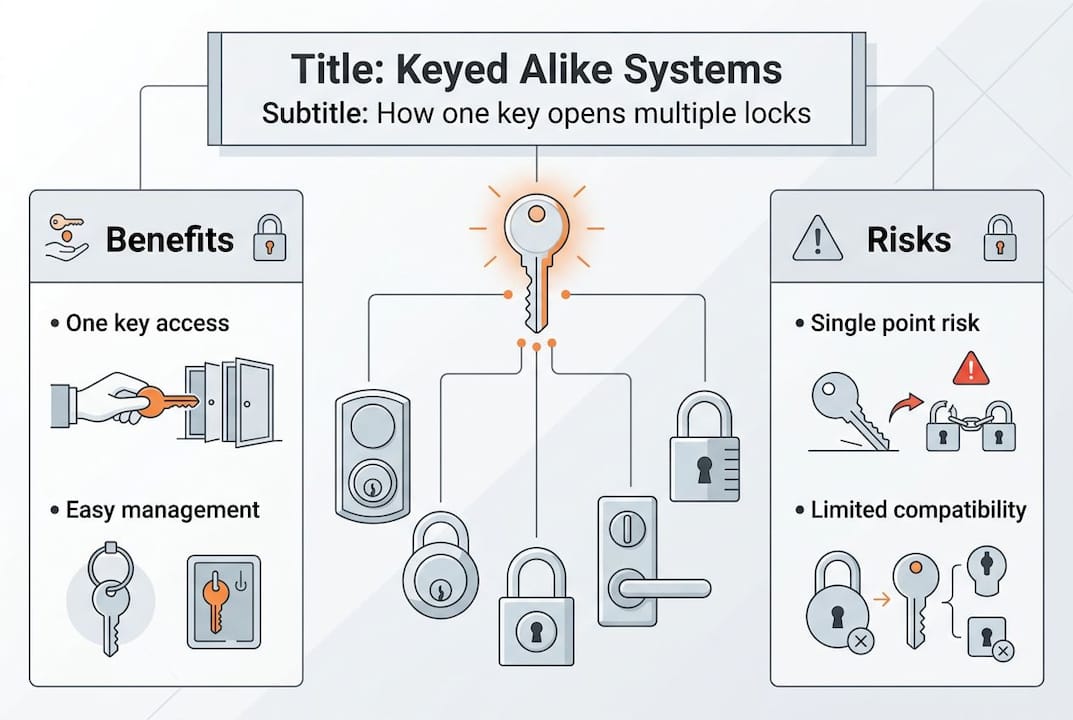
At its simplest, a keyed alike system means that several locks on your property all open with the same key. Rather than carrying a separate key for every door, gate, or padlock, you carry one. This is particularly useful for homeowners with outbuildings, or small business owners managing multiple entry points.
A keyed alike system is a configuration where multiple locks, such as padlocks, door locks, or cylinders, are set to operate with the same single key, sharing identical pin configurations or key profiles.
Common lock types set up this way include:
- Euro cylinder locks (used in most UPVC and composite doors)
- Mortice locks (fitted into the body of a wooden door)
- Padlocks (for gates, sheds, and outbuildings)
- Rim cylinders (used on nightlatch-style locks)
Typical use cases in Bristol include a homeowner keying their front door, back door, and garden gate to one key, or a small business owner matching the locks on a side entrance, rear door, and storage unit. The result is a tidier, more manageable approach to property access.
How Does a Keyed Alike System Work?
With a basic understanding in place, it helps to see how these locks are actually prepared and why a single key works for them all.
Most locks used in keyed alike systems are pin tumbler locks. Inside each lock cylinder sits a series of spring-loaded pin stacks. Each stack has a key pin at the bottom and a driver pin above it. When no key is inserted, the driver pins block the cylinder from turning.
The identical pin lengths and key bitting across all units in a keyed alike set mean that one key lifts every pin stack to exactly the right height, aligning all pins at the shear line and allowing the cylinder to rotate.
Here is how the process works in practice:
- A locksmith or manufacturer selects a specific key profile and cut pattern.
- Each lock cylinder is assembled or rekeyed so its pin stacks match that exact pattern.
- The same key is cut to match the shared profile.
- When inserted into any lock in the set, the key lifts all pins to the shear line simultaneously.
- The cylinder rotates freely, and the lock opens.
Pro Tip: Always choose British Standard or Sold Secure rated locks when setting up a keyed alike system. Bristol’s damp climate can cause inferior cylinders to corrode or stiffen over time, which affects reliability and security.
Types of Locks and Compatibility
Knowing how the mechanics work, it’s vital to check which locks actually support this system and to respect the limits of compatibility.
Not every lock can be paired with every other. Locks must share the same key profile and cylinder type to be keyed alike. Compatible lock types include padlocks, mortice locks, and Euro cylinders, but only when matching the same type. A Euro cylinder cannot be keyed alike with a lever mortice lock, for example.
| Lock type | Keyed alike compatible | Typical use |
|---|---|---|
| Euro cylinder | Yes (with other Euro cylinders) | UPVC and composite doors |
| Mortice lock | Yes (with same lever count) | Timber doors |
| Padlock | Yes (same brand and series) | Gates, sheds, storage |
| Rim cylinder | Yes (same profile) | Nightlatch front doors |
| Euro cylinder + mortice | No | Cannot be mixed |
Most standard sets accommodate up to six locks per keyed alike group, though some manufacturers offer larger sets on request. If you need more locks than this, a master key system may be a better fit. You can explore your lock replacement options to understand what works best for your property.
Locks that cannot be keyed alike include:
- Euro cylinders paired with lever mortice locks
- Locks from different manufacturers with incompatible key profiles
- Digital or smart locks combined with mechanical cylinders
- Locks of the same type but different security grades or series
Keyed Alike vs Keyed Different vs Master Key Systems
To help you choose wisely, it’s useful to weigh keyed alike systems against other popular locking methods.
Not all locks are compatible across types, and master keying adds a layer of individual keys plus a master, but this introduces a risk of rights amplification if the master key is lost or copied.
| System | How it works | Best for | Main risk |
|---|---|---|---|
| Keyed alike | One key opens all locks | Homes, small businesses | Single key loss affects all locks |
| Keyed different | Each lock has its own unique key | High-security or multi-tenant sites | Key management complexity |
| Master key | Individual keys plus one master | Large premises, landlords | Master key loss is high impact |
Keyed alike suits uniform access needs well, but keyed different limits the scope of any breach, and a master key system provides both individual and shared access. Using restricted keyways prevents unauthorised key copying, which is a smart addition to any of these systems.
Pro Tip: If you manage a rental property or a business with staff changes, consider master key systems rather than keyed alike. They give you secure access control without the risk of one lost key compromising every entry point.
Key Benefits of Using a Keyed Alike System
Having compared the systems, let’s pinpoint why so many Bristol property owners opt for keyed alike setups.
The appeal is straightforward. One key, less stress, and fewer chances of being locked out. Here are the main advantages:
- Simplified access: You carry one key for your front door, back door, garage, and garden gate. No more searching through a heavy bunch of keys.
- Easier key management: Cutting spare keys is cheaper and simpler when there’s only one profile to match. Distributing spares to family members or trusted staff is far more practical.
- Cost savings: Fewer unique keys to cut and manage means lower ongoing costs, particularly for small businesses.
- Reduced lockout risk: With one key to keep track of, you’re less likely to leave the wrong key behind. Fewer lockouts means less disruption to your day. Find out more about how to prevent lockouts with the right setup.
Keyed alike systems offer convenience for one key covering multiple doors and gates, reduced key management, and cost savings on spares and distribution, making them ideal for homes, small businesses, and shared access areas.
For a Bristol homeowner with a garage, a side gate, and a garden shed, this system can cut the number of keys on their ring from four or five down to one. For a small office with a side entrance and a rear door, it removes the need to issue staff with multiple keys. Pairing this with insurance approved locks ensures you’re not sacrificing security for convenience.
Risks and Drawbacks of Keyed Alike Systems
No system is flawless, so it’s just as important to weigh the risks and understand when keyed alike isn’t the ideal solution.
The most significant concern is straightforward. If you lose your key, every lock in the set is potentially compromised.
“Single key loss compromises all locks, requiring a full rekey or replacement. There is no granular access control, and unauthorised duplication is easy with standard keys, making keyed alike systems more vulnerable in high-turnover or high-value settings compared to keyed different or master key systems.” The Pros and Cons of Keyed Alike Padlocks
If you do lose a keyed alike key, here is what to do:
- Contact a trusted local locksmith immediately.
- Do not wait to see if the key turns up. Act promptly.
- Have every lock in the set rekeyed or replaced as soon as possible.
- Consider upgrading to restricted keyway cylinders to prevent future unauthorised copying.
- Review whether a master key or keyed different system would better suit your needs going forward.
For landlords or businesses with high staff turnover, the risk is amplified. A departing employee who holds a keyed alike key effectively has access to every entry point covered by that system. In these situations, key replacement after loss is only part of the solution. A full lock review is often the wiser step.
Expert Guidance: Making the Right Choice for Bristol Homes and Businesses
Let’s finish with expert advice on getting the best value and security from keyed alike systems in and around Bristol.
Keyed alike works well in the right context. For gates, sheds, garages, and outbuildings where convenience is the priority and the risk level is low to medium, it’s a practical and cost-effective choice. For front doors and main entry points, pairing a keyed alike setup with high-quality, rated hardware is essential.
For Bristol homeowners and businesses, keyed alike balances convenience and security for low to medium risk areas such as gates and sheds. Prefer Sold Secure Silver or Gold rated locks from trusted brands. Rekey on move-in, and consider master keyed systems for more granular control. Avoid keyed alike for high-value areas with high staff turnover and opt for digital alternatives instead.
Before choosing, ask yourself:
- How many people need access to this property?
- What is the risk level of each entry point?
- Do I need to restrict access for certain individuals?
- How often do staff or tenants change?
- Would a master key or digital system offer better long-term control?
Choosing insurance approved locks and reviewing your lock replacement options with a professional locksmith ensures your setup meets both your practical needs and your insurer’s requirements.
Get Help Choosing or Installing a Keyed Alike System
Whether you want to upgrade your current locks or need practical advice for your property, local experts can help you find the right system. At AHLP Locksmiths, we work with homeowners and business owners across Bristol, South Gloucestershire, and Gloucester to assess their security needs and recommend the most suitable locking solutions. Our team can advise on keyed alike configurations, supply and fit Sold Secure rated hardware, and help you decide whether a master key or digital system would serve you better.
Explore our full range of locksmith services or read our lock replacement guide to understand your options in detail. If you’re ready to improve your property’s security, our lock upgrades for home security page is a great place to start. Call us on 07700 100146 or visit ahlp.co.uk to arrange a visit. We offer transparent pricing, no call-out fees, and fast response times across the Bristol area.
Frequently Asked Questions
Can all types of locks be keyed alike?
No. Only locks of the same type and key profile can be keyed alike. Same type only applies, so Euro cylinders can be paired together, but they cannot be matched with lever mortice locks.
What should I do if I lose my keyed alike key?
Contact a locksmith straight away and have all affected locks rekeyed or replaced promptly. Single key loss puts every lock in your system at risk, so acting quickly is essential.
Are keyed alike systems secure enough for businesses?
They work well for low to medium risk areas, but sensitive or high-value locations may need a master key or digital system instead. Avoid keyed alike for high-value premises with frequent staff changes.
How many locks can I have keyed alike?
Most standard sets include up to six locks, though larger groups may be possible depending on the manufacturer. A locksmith can advise on the best configuration for your property.