
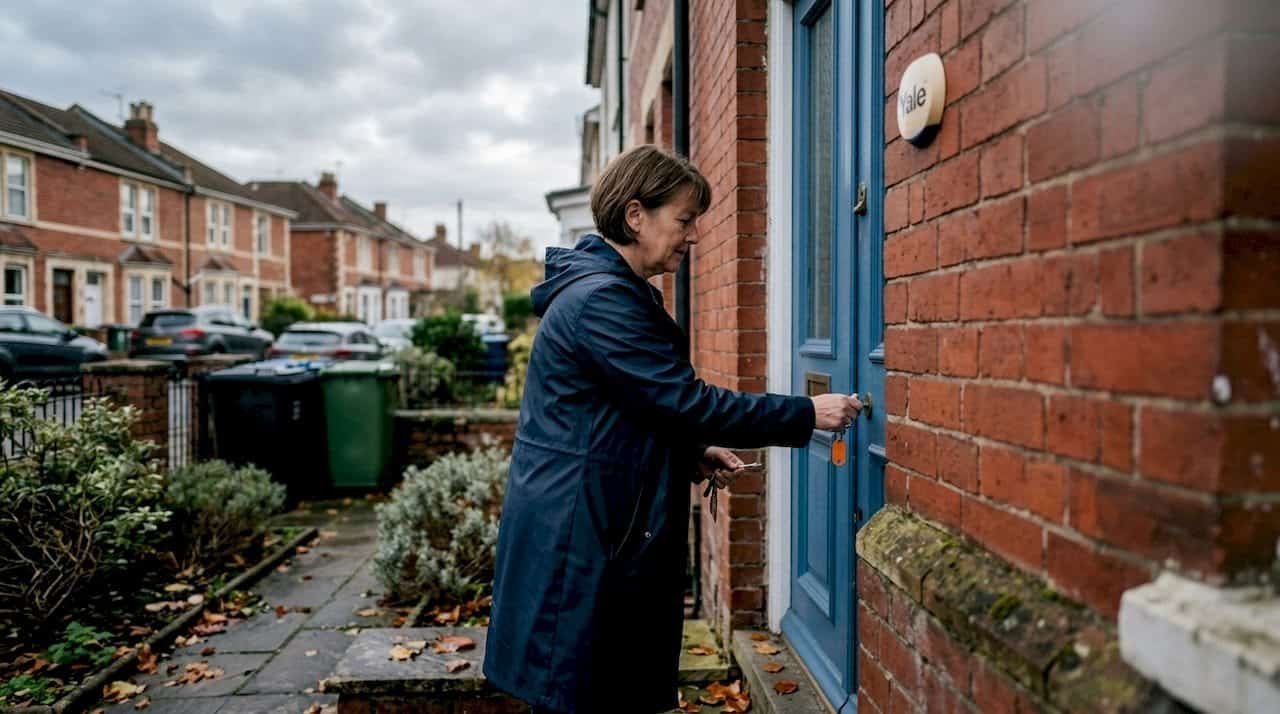
A good home security check starts at the front door, not with a shopping list of alarms, cameras and expensive gadgets.
A lock that catches when you turn the key, a uPVC door that needs lifting to close or a loose cylinder can tell you more about a property’s security than the number of devices fitted around it.
Across Bristol and South Gloucestershire, homes vary considerably. Older terraced houses may have timber entrance doors and traditional mortice locks. Newer developments often have uPVC or composite doors with multipoint locking systems. Semi-detached and detached properties may also have side gates, garages and rear entrances that need attention.
Each property has different weak points, so the best approach is to check what is already there, identify anything that is damaged or unsuitable and deal with the most important problems first.
This guide brings together Sam’s practical locksmith advice on what homeowners should check, why certain faults matter and when a repair or lock upgrade is worth considering.
Start With the Door You Use Every Day
The front door is usually the most obvious place to start, but the back door deserves just as much attention.
A door can look secure while the locking mechanism is beginning to fail. One of the clearest warning signs is when you have to lift the handle unusually hard, push against the door or pull it towards you before the key will turn.
That can indicate an alignment problem rather than a faulty cylinder.
What to check on your front and back doors
Open and close each door normally, then check:
Does the door close without scraping against the frame?
Does the key turn smoothly without excessive force?
Do the locking points engage properly?
Are the handles loose or moving excessively?
Is there visible damage around the lock or strike plate?
Does the cylinder project noticeably beyond the surrounding handle?
Are the hinges and frame in good condition?
A stiff lock should not automatically be replaced without checking why it has become difficult to operate.
On a uPVC door, for example, the issue may involve door alignment or the multipoint mechanism. Replacing the cylinder alone will not correct a badly aligned door.
Older timber doors present different problems. A sound mortice lock may still be fitted to a weakened door edge or frame.
Our guide to uPVC vs wooden door locks explains how these locking systems differ and what homeowners should look for.
Check Whether Your Euro Cylinder Has Anti-Snap Protection
Many uPVC and composite entrance doors use a Euro cylinder to operate their multipoint locking system.
The door may have several locking points, but that does not automatically mean the cylinder itself provides enhanced protection against attack.
Older or basic cylinders may be vulnerable to lock snapping.
How to check your cylinder
Look at the cylinder fitted through the door handle or escutcheon.
Check whether it projects excessively beyond the surrounding hardware and whether there are identifiable security markings.
For enhanced cylinder security, look for recognised certification such as TS007 three-star or a relevant Sold Secure approval.
A TS007 three-star cylinder is designed to meet enhanced security requirements without relying on separate two-star protective hardware for that rating.
Another recognised arrangement combines a one-star cylinder with suitable two-star protective hardware.
Does the whole locking mechanism need replacing?
Not necessarily.
If the multipoint mechanism is working correctly and the cylinder is the main security concern, a properly specified cylinder replacement may be sufficient.
The cylinder must be correctly sized and compatible with the existing door hardware.
Read our guide to the advantages of anti-snap locks for more information about when upgrading an existing cylinder makes sense.
Older Bristol Terraces: Pay Attention to Timber Doors and Frames
Older terraced properties in areas such as Bedminster, Easton and parts of Southville often have different security considerations from newer homes.
Traditional timber doors may use mortice locks, night latches or a combination of locking arrangements.
The lock itself is only part of the picture.
Look beyond the mortice lock
Check whether the door edge is splitting around the lock case, whether the strike plate is secure and whether the frame has deteriorated.
A stronger lock will not solve a problem caused by weakened timber or an insecure frame.
It is also worth checking whether the door has dropped or warped enough to affect how the lock engages.
Check the lock certification
If your home insurance specifies a British Standard lock, identify whether the existing lock meets the required standard.
BS3621 is commonly associated with qualifying thief-resistant locks fitted to timber entrance doors.
However, not every five-lever mortice lock automatically complies with BS3621.
Look for the relevant certification markings on the metal forend along the edge of the open door.
If the markings are missing or unreadable, identify the lock model before assuming it needs replacing.
Newer South Gloucestershire Homes: Check Multipoint Door Alignment
Newer residential developments around Bradley Stoke, Emersons Green, Stoke Gifford and other parts of South Gloucestershire commonly include homes with uPVC or composite entrance doors.
These doors frequently use multipoint locking mechanisms.
When properly installed and maintained, multipoint systems provide several locking points along the door edge. However, they still depend on correct alignment between the door and frame.
Warning signs of a multipoint locking problem
Pay attention if:
The handle becomes increasingly difficult to lift.
The key turns smoothly with the door open but struggles when closed.
The door needs pushing or pulling to engage the mechanism.
Locking points do not enter their keeps correctly.
The door catches against the frame.
The handle feels loose or fails to return normally.
These symptoms can indicate alignment or mechanism problems.
Continuing to force the handle or key can place additional strain on the locking components.
A locksmith should identify the cause before deciding whether adjustment, repair or replacement is necessary.
Check Accessible Windows, Not Just Entrance Doors
A well-secured front door is less useful if an accessible window has a broken handle or cannot lock properly.
Ground-floor windows deserve particular attention, along with windows accessible from flat roofs, extensions or other structures.
What to look for
Check that each accessible window closes fully and that the locking mechanism engages correctly.
Look for loose handles, worn locking components, damaged frames and windows that are routinely left partly open.
The appropriate security arrangement depends on the window design.
For example, timber sash windows have different locking requirements from modern uPVC casement windows.
Depending on the design, suitable options may include keyed locks, espagnolette mechanisms, shootbolts or other compatible hardware.
Window restrictors can be useful in some situations, but they should not be assumed to provide the same security as a properly engaged window lock.
Our guide to window lock types in UK homes explains the main options.
Rear Alleys and Side Gates: An Overlooked Access Route
Terraced properties with rear access and semi-detached homes with side passages need a different security check from properties accessed only through a front entrance.
A rear alley or side gate can provide a route towards back doors, garden windows and outbuildings.
Check the complete gate, not just the padlock
A substantial padlock provides limited protection if the hasp is loose, the hinges are poorly secured or the gate itself is deteriorating.
Check:
Whether the gate closes securely.
Whether the lock or bolt works properly.
Whether the hinges and fixings are sound.
Whether the surrounding fence is stable.
Whether the gate can be bypassed easily.
Whether the access route is poorly lit.
For shared rear alleys, security improvements may require cooperation with neighbouring properties.
A gate is most useful when the surrounding access route is also considered.
Garages and Sheds: Do Not Ignore the Secondary Entrances
Garages and sheds are often treated as separate from home security, but they may contain valuable belongings and equipment.
Bicycles, power tools and ladders are common examples.
Some of these items can also be used to reach or attack other parts of the property if they are left unsecured.
Garage doors need the right type of lock
Not every garage door uses the same mechanism.
Up-and-over doors, roller doors and side-hinged garage doors have different locking arrangements.
Check whether the existing lock is stiff, corroded, loose or visibly damaged.
Avoid fitting a generic replacement without confirming that it suits the mechanism.
Check shed hinges and hasps
On a shed, the weakest point may not be the padlock.
Inspect the hinges, hasp, frame and surrounding timber.
A strong padlock attached to weak fittings will not provide the protection you expect.
For examples of problems affecting garages and other entry points, see our lock replacement examples for local homes.
Walk Around Your Property After Dark
Some security weaknesses are easier to identify in the evening.
Walk around the accessible parts of your property and consider what somebody approaching from outside would be able to see.
Check the route from the street to the front door, any side passages and the rear garden.
Look for concealed access
Pay particular attention to:
Unlit side passages.
Rear doors hidden by fences or planting.
Garages and sheds outside the main lighting area.
Dense hedges immediately beside accessible windows.
Dark approaches to side gates.
Motion-activated lighting can be useful where it improves visibility around an entrance or access route.
However, lighting should complement physical security rather than replace functioning locks.
For properties with shared access, consider whether lighting changes would affect neighbours.
Alarms and CCTV Are Useful, but Fix the Locks First
An alarm or camera can add another layer of security, but neither will repair a damaged lock or strengthen a weak door frame.
Before spending money on additional technology, check whether the main entry points are working properly.
What to consider before installing an alarm
Think about which areas need coverage and whether everyone in the household will use the system consistently.
An alarm that is rarely activated provides limited practical benefit.
If you already have an alarm, test it according to the manufacturer’s instructions and check whether any sensors or batteries need attention.
Where CCTV can help
Cameras may provide useful coverage of entrances, driveways or other access points.
However, camera positioning should take account of neighbouring properties and applicable privacy requirements.
A camera does not prevent someone from exploiting an insecure lock, so physical security should remain the starting point.
Moving Home in Bristol or South Gloucestershire? Check Every External Lock
Moving into a property is one of the clearest reasons to review existing locks.
Even when the previous occupants return their keys, you cannot know with certainty how many copies were made or who may still have access.
Keys may previously have been given to relatives, neighbours, cleaners, tradespeople or other individuals.
Do not stop at the front door
Check the locks on:
Front and rear entrances.
Side doors.
Patio and French doors.
Garages with external access.
Any other independently accessible entrance.
You may not need to replace every complete locking mechanism.
On some doors, changing the cylinder is sufficient to prevent old keys from operating the lock.
This is also a sensible time to check whether the existing security arrangements meet your home insurance requirements.
Keep Spare Keys Under Control
Spare keys should not be left beneath doormats, plant pots or other obvious outdoor hiding places.
If somebody needs access while you are away, consider whether a trusted person can hold a spare key securely.
Where a key safe is necessary, choose a suitable security-rated product and have it fixed correctly to an appropriate surface.
The quality of the installation matters as much as the product itself.
Also consider who currently holds keys to the property.
If keys have been lost, stolen or cannot be accounted for, replacing or rekeying the affected locks may be appropriate.
Make Your Home Less Obviously Empty When You Are Away
A property that appears unoccupied for an extended period may attract unwanted attention.
Simple precautions can help reduce obvious signs of absence.
Use light timers or smart plugs to operate selected lamps at suitable times.
Avoid leaving valuable belongings clearly visible through windows.
For longer absences, arrange for a trusted person to deal with accumulated post, parcels or other obvious signs that nobody is home.
It is also sensible to avoid publicly sharing holiday dates or real-time travel updates that reveal when the property will be empty.
Before leaving, check that all accessible doors and windows are properly secured and that any alarm is activated.
Before Winter, Check Locks and External Lighting
Autumn and winter are useful times to review home security because shorter daylight hours can make poorly lit entrances and access routes more noticeable.
Weather changes can also expose existing problems with doors and locking mechanisms.
Timber doors may swell or move as conditions change, while uPVC and composite doors can develop alignment problems through movement, wear or adjustment issues.
A practical winter security check
Before the darker months:
Test external lighting.
Check that front and back doors lock smoothly.
Inspect accessible windows.
Check side gates and garage locks.
Look for worsening door alignment.
Test alarms and other security equipment.
A lock that has gradually become difficult to operate should be checked before it fails completely.
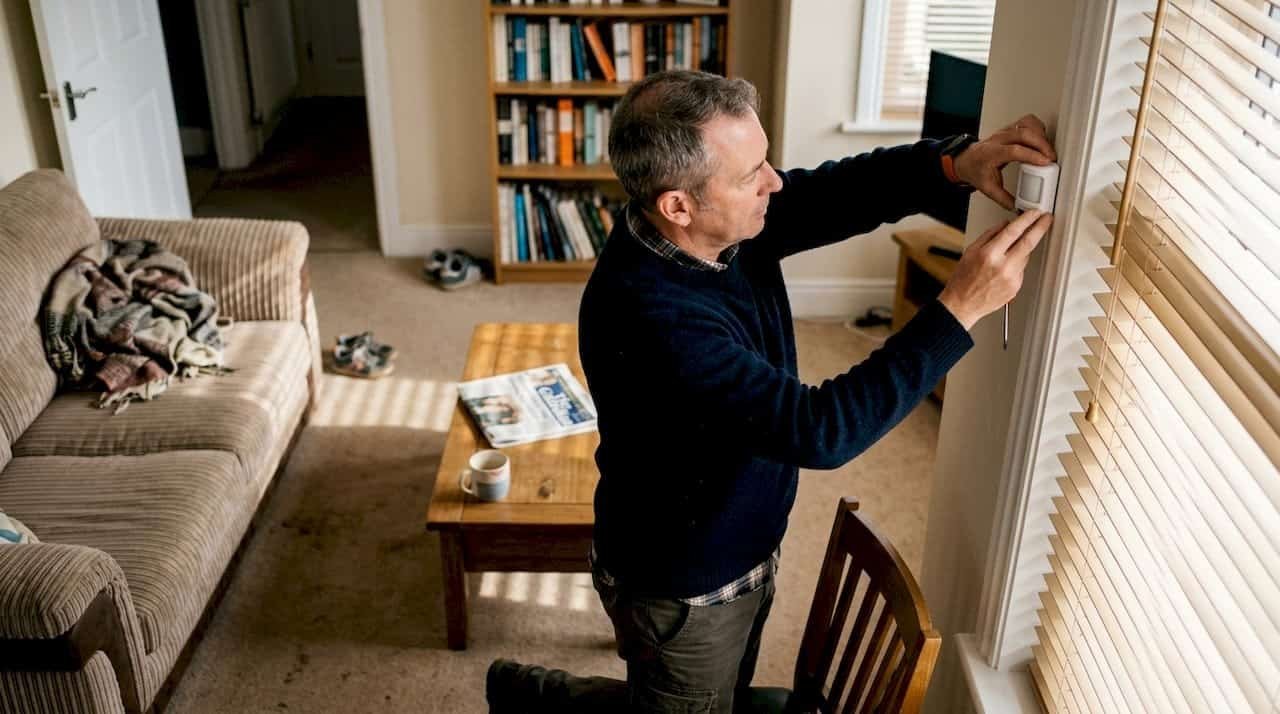
Home Security Priorities for Different South Gloucestershire Properties
The best security improvements depend on the layout and construction of the property.
| Property type | Common areas worth checking | Practical priority |
|---|---|---|
| Older terraced homes | Timber doors, mortice locks, frames and rear access | Lock condition, door-frame strength and alley security |
| Semi-detached homes | Side gates, back doors, garages and accessible windows | Side access and rear entrance security |
| Detached homes | Multiple entrances, garden boundaries and outbuildings | Perimeter access, lighting and secondary doors |
| Modern estates | uPVC or composite doors with multipoint mechanisms | Cylinder security and door alignment |
| Flats and maisonettes | Individual entrance doors, communal access and accessible windows | Entrance security and shared access arrangements |
| Rural or edge-of-town homes | Garages, sheds, outbuildings and less visible entrances | Secondary access and secure storage |
These are starting points rather than a diagnosis of any particular property.
For example, a newer composite door may need only a cylinder upgrade, while an older timber door may require attention to the frame before replacing the lock makes sense.
What Should You Fix First? Sam’s Home Security Priorities
Not every security improvement needs to happen immediately.
If you are working within a budget, start with faults that affect the ability to secure the property properly.
Suggested order of priority:
Locks that do not operate correctly. Address doors or windows that cannot be secured reliably.
Damaged doors and frames. Repair weakened or deteriorating entry points.
Unsuitable or vulnerable cylinders. Check whether an enhanced-security replacement is appropriate.
Unsecured rear access. Inspect gates, garages and other routes towards the property.
Poor external visibility. Consider lighting where entrances or access routes are concealed.
Alarms and cameras. Add supplementary protection where it addresses a genuine need.
Key control. Review spare keys and access following a move or lost keys.
For a more detailed property review, use our home security checklist for Bristol homes.
When Should You Ask a Locksmith to Check Your Home?
Some security issues are obvious, such as a broken handle or damaged lock.
Others are harder to identify because the problem may involve several components working together.
Consider arranging a professional inspection if:
Your key is becoming difficult to turn.
Your door needs lifting or pushing to lock.
A multipoint mechanism does not engage properly.
You are unsure whether a Euro cylinder has anti-snap protection.
A lock or frame has been damaged.
Keys have been lost or stolen.
You have recently moved home.
You are unsure whether your locks meet your insurance requirements.
A locksmith can help establish whether the problem requires an adjustment, repair, cylinder replacement or complete lock change.
AHLP Locksmiths offers home security consultations in South Gloucestershire to assess the condition of existing locks and identify appropriate improvements.
Local Home Security Support in South Gloucestershire
Some vulnerable residents may qualify for home security assistance through local support schemes.
South Gloucestershire’s Be Home Safe scheme has previously provided practical security support for eligible residents.
If you or someone you support may benefit, check the current availability and eligibility requirements with South Gloucestershire Council before arranging privately funded work.
For homeowners who do not qualify for a local scheme, the most useful starting point is still a practical assessment of the property’s existing doors, windows and access routes.
Sam’s Final Advice: Make Sure Your Existing Security Works
Home security does not need to involve replacing every lock or installing expensive equipment.
A properly functioning door with suitable locks is a better starting point than an impressive-looking security system fitted around a door that does not close or lock correctly.
Check the doors you use every day. Look at the condition of the frames, handles and cylinders. Pay attention to rear access, accessible windows and outbuildings.
If something is becoming difficult to operate, investigate the cause rather than forcing it or waiting until it fails.
The aim is to make sensible improvements based on the actual condition of your property.
Need Home Security Advice in Bristol or South Gloucestershire?
If you have concerns about your door locks, cylinders or other entry points, AHLP Locksmiths can help identify the problem and explain the available options.
Whether you have recently moved, are dealing with a stiff multipoint lock or want to improve protection against cylinder snapping, the right solution depends on the door and hardware already fitted.
Sam and AHLP Locksmiths provide local assistance across Bristol, South Gloucestershire and Gloucester.
Explore our locksmith services if you need help with a lock replacement, security upgrade or securing a property following a break-in.
Frequently Asked Questions
What are the most important home security checks for a Bristol property?
Start with external doors, accessible windows, side gates and garages. Check that locks operate smoothly, doors close properly and frames are not damaged. On uPVC and composite doors, pay attention to cylinder security and multipoint mechanism alignment. Once the main entry points are secure, review lighting, alarms, spare keys and how the property looks when unoccupied.
How can I improve the security of a uPVC front door?
Check that the multipoint locking mechanism engages correctly and that the door does not need excessive force to lock. Identify the Euro cylinder and look for suitable anti-snap protection, such as TS007 three-star certification. The cylinder should be correctly sized and compatible with the existing hardware. If the handle is stiff or the door is misaligned, have the cause checked before replacing components.
Are anti-snap locks worth fitting to uPVC and composite doors?
Anti-snap cylinders can be a worthwhile upgrade where an existing Euro cylinder lacks suitable protection against snapping attacks. However, the replacement must be correctly sized, certified and installed. A high-security cylinder does not compensate for a damaged door, weak frame or faulty multipoint mechanism.
How should I secure ground-floor windows against burglary?
Check that accessible windows close fully and that their locking mechanisms work correctly. Look for loose handles, worn components and damaged frames. The most suitable security arrangement depends on whether the windows are timber, uPVC, aluminium, sash or casement designs. Any replacement hardware should be compatible with the existing window.
What should I check on a garage or shed to improve security?
Inspect the door, frame, hinges, hasp and lock rather than concentrating only on the padlock. Garage locks should be suitable for the specific door mechanism. Secure ladders, bicycles and tools inside, and avoid leaving equipment outside where it could be stolen or used to access another part of the property.
Should I change my locks when I move into a new home?
Changing or rekeying external locks is worth considering because you cannot know how many copies of the previous keys exist. Check front, rear, patio, side and garage entrances. On some doors, replacing the cylinder may be sufficient without changing the entire locking mechanism. Moving home is also a good opportunity to check your insurance security requirements.
How can I make my home look occupied while I am away?
Use light timers or smart plugs to operate selected lamps, arrange for post and parcels to be collected and avoid leaving valuables clearly visible. Ask a trusted person to check the property during longer absences where practical. Avoid publicly sharing travel plans that reveal when nobody will be home, and make sure all accessible doors and windows are secured before leaving.
Do visible burglar alarms help deter burglars?
A visible alarm can add a useful deterrent, particularly when combined with secure doors, windows and controlled access. However, an alarm should not be treated as a substitute for working locks or a sound door frame. Test existing equipment regularly and make sure household members know how to activate it.
Can South Gloucestershire residents get help with home security improvements?
Some vulnerable residents may qualify for assistance through local security support schemes, including the Be Home Safe scheme where available. Eligibility and services may change, so check directly with South Gloucestershire Council for current information. A professional locksmith assessment can also help identify which improvements are necessary.
How often should I review my home security?
Review your security after moving home, losing keys, experiencing a break-in or noticing problems with a lock or door. A seasonal check before autumn and winter is also useful. Inspect external doors, accessible windows, gates, garages, lighting and alarms rather than limiting the review to the front entrance.
Recommended
- Home Security Checklist for Bristol Homes 2026
- The Ultimate Guide to Home Security: Everything You Need to Succeed in Bristol – Auto Home Lock Pro
- 7 Essential Locksmith Tips for Homeowners in Bristol
- Home security consultation explained: expert advice
- Security & Life Integrations | Your All-In-One Security Company