
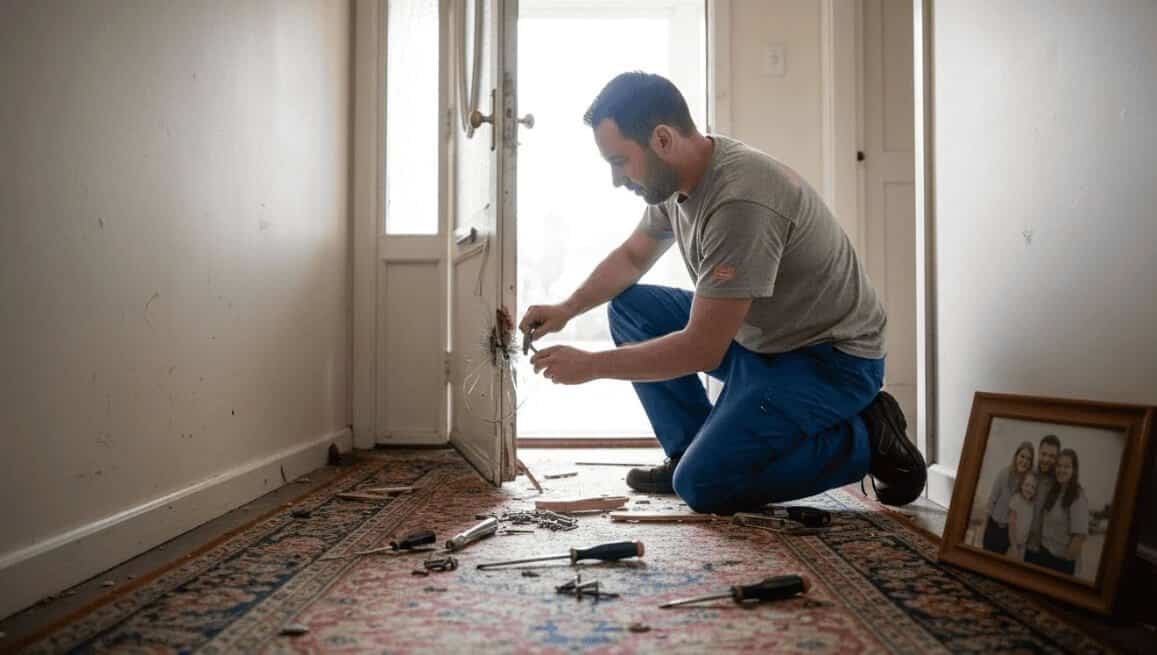
The shock of a break-in leaves many Bristol homeowners feeling exposed and uncertain about what to do next. Protecting your family and restoring your peace of mind means acting fast to repair damage and strengthen your home’s defences. Forced entry often leaves behind broken locks, splintered door frames, and smashed glass, turning your property into an easy target for repeat attempts. This guide uncovers the steps needed to secure your home after a burglary, highlighting the most effective repairs and security upgrades to keep your property safe.
Table of Contents
- What Burglary Repairs Involve After A Break-In
- Key Types Of Damage And Common Methods
- Professional Repair Process Step By Step
- UK Insurance Rules And Security Standards
- Essential Upgrades To Prevent Reoffending
Burglary Repairs Key Takeaways
| Point | Details |
|---|---|
| Prioritise Security Repairs | Address door and frame repairs, lock replacements, and window fixes promptly to restore safety and prevent further incidents. |
| Upgrade Security Features | Implement high-security locks and reinforcements to all entry points, including windows, to deter future break-ins. |
| Document All Damage | Capture photographic evidence of all damage before repairs begin to support insurance claims and protect against disputes. |
| Consult Insurers for Requirements | Verify your insurer’s specific security standards to ensure compliance and avoid claim rejections after repairs are made. |
What Burglary Repairs Involve After A Break-In
After a break-in, your home isn’t secure again until the damage is properly repaired. Burglary repairs aren’t simply about fixing visible damage—they’re about restoring your home’s physical security and your peace of mind. The work typically involves assessing structural damage, replacing compromised security fixtures, and upgrading locks to prevent future break-ins. Understanding what’s involved helps you prioritise repairs and ensures nothing critical gets overlooked.
The immediate priorities after a break-in centre on three main areas:
- Door and frame repairs – Forced entry often damages door frames, hinges, and strike plates. These need proper reinforcement or replacement to restore structural integrity
- Lock replacement and upgrades – Existing locks may be damaged or compromised, requiring immediate replacement with stronger, insurance-approved mechanisms
- Window and glass repairs – Broken windows need securing first to prevent weather damage and further security breaches
- Interior damage assessment – Checking for secondary damage from forced entry through side doors, windows, or less obvious entry points
When you address burglary repairs for restoring safety, you’ll find that the scope varies depending on how the burglars entered. If entry was forced through your front door, the door frame itself may require replacement rather than simple repair. The wooden or composite material around the strike plate often splinters or cracks, compromising the frame’s ability to hold bolts securely. A locksmith will assess whether the frame can be reinforced with additional screws and hardware, or whether full replacement is necessary.
Lock replacement is usually the most critical step. Burglars may have damaged your lock mechanism during forced entry, or they may have bypassed it entirely using techniques like lock picking or bumping. Either way, your existing lock cannot be trusted. Anti-snap lock upgrades are particularly valuable here—these are specifically designed to resist common break-in techniques. British Standard BS3621 locks offer additional protection and are often required by insurance providers.
The faster you address security damage after a break-in, the lower your risk of a repeat incident—many properties experience follow-up attempts within weeks.
Beyond the obvious entry points, a thorough burglary repair assessment includes checking all secondary access routes. Burglars often test multiple entry points before forcing one open. Your side doors, back doors, and windows may have been damaged during this testing phase. Securing these areas prevents opportunistic follow-up break-ins and closes security gaps you might otherwise miss.
You’ll also need to consider your overall security strategy during repairs. A single strong lock on your front door isn’t enough if your back door uses a basic handle lock or your windows lack proper security measures. Many Bristol homeowners use the burglary repair process as an opportunity to upgrade their entire home security system, installing matching high-security locks across all external doors and adding window locks where missing.
The timeline for burglary repairs depends on the extent of damage and the availability of materials. Simple lock replacements can be completed within hours. Major repairs involving door or frame replacement may take several days, especially if custom frames are needed for non-standard doors. Emergency boarding or temporary door repairs can be arranged immediately to secure your property whilst more permanent repairs are organised.
Pro tip: Document all damage with photographs before any repairs begin—your insurance company will need clear evidence, and photos protect you in disputes about what was actually broken versus what was already damaged.
Key Types Of Damage And Common Methods
Burglars don’t all work the same way, which means the damage they leave behind varies significantly. Understanding the typical damage patterns and methods used helps you identify what needs urgent repair and what security upgrades will actually protect against future break-ins. The methods burglars employ often determine the extent of structural damage, and knowing this helps you plan repairs strategically rather than reactively.
The most common entry methods fall into these categories:
- Forced door entry – Burglars use crowbars, screwdrivers, or shoulder force to pry doors open, causing frame damage, lock breakage, and hinge failure
- Smashed windows or glass panels – Breaking glass to reach internal locks or create larger access points, leaving sharp debris and structural gaps
- Lock picking and bumping – Exploiting poorly maintained or outdated locks without visible damage, though the lock mechanism itself is compromised
- Garage and outbuilding access – Targeting side doors, garage doors, and garden sheds where security is often weaker than main entrances
- Ransacking and secondary damage – Interior damage from searching through belongings, breaking furniture, and damaging alarm systems or security devices
Forced entry through doors creates some of the most significant structural damage. When a burglar uses brute force against your door, the impact doesn’t just damage the lock—it often splinters the door frame, strips screws from hinges, and can crack the door itself. Common burglary methods often involve forced entry through doors and windows, exploiting poorly secured entry points. The strike plate, which anchors your lock into the frame, becomes loose or torn away entirely. A locksmith assessing this damage needs to evaluate whether the frame can be salvaged with reinforcement or whether replacement is necessary. Wooden frames are particularly vulnerable to splitting along the grain, especially around older properties in Bristol where original timber frames are common.
Window damage presents a different challenge. Breaking glass is quick and loud, so burglars often target windows that are out of sight from the street. Once inside, they may disable internal window locks or leave them open for easy exit. Ground-floor windows and those hidden behind fences are high-risk areas. The damage here includes not just broken panes but also damaged frames, compromised locks, and sometimes damage to the window catch mechanism. Temporary boarding is often needed immediately to secure the property, but permanent repairs require proper glazing and lock replacement.
The method burglars use to enter directly determines what repairs your home needs—forcing your door requires different fixes than a bypassed lock.
Lock damage and compromise deserves particular attention. Some burglars attempt lock picking or bumping, which leaves no visible damage but renders your lock completely untrustworthy. Others force locks, breaking the mechanism inside. Either way, you cannot assume your lock is secure after a break-in. Burglary damage to locks and security devices includes both visible breakage and invisible compromise that insurance providers take seriously. This is why lock replacement—not repair—is standard after any forced entry.
Secondary access points are equally important. Burglars testing entry routes often damage side doors, back doors, French doors, or garage doors before forcing their way through the main entry. These secondary attempts may leave marks, bent frames, or damaged locks that you’ll only discover during a thorough assessment. A professional locksmith will check every external door and window, not just the obvious entry point.
The timeline for repairs depends directly on the damage type. A forced lock requires hours for replacement. A damaged door frame may need several days for assessment and replacement, especially if custom sizing is needed. Multiple access points with glass breakage might require coordination between locksmiths, glaziers, and carpenters. Planning repairs in order of security priority—securing all entry points first, then upgrading locks, then addressing cosmetic damage—keeps your home protected whilst work progresses.
Here’s a strategic comparison of common burglary entry methods and their specific repair implications:
| Entry Method | Typical Damage Caused | Most Urgent Repair Action |
|---|---|---|
| Forced door entry | Splintered frame, broken lock | Replace lock, reinforce or replace frame |
| Smashed window or glass | Broken glass, damaged frame | Secure with boarding, reglaze, install window lock |
| Lock picking or bumping | Compromised mechanism, invisible faults | Immediate lock replacement with upgraded model |
| Garage/outbuilding access | Bent panels, weakened locks | Upgrade locks, reinforce structure |
| Ransacking and secondary damage | Interior disarray, damaged alarms | Restore items, test and repair alarm system |
Pro tip: When a locksmith assesses your property after a break-in, ask them to identify all attempted entry points, not just the successful one—this reveals your home’s weak spots and guides which upgrades offer the most protection.
Professional Burglary Repairs: Step By Step Process
After a break-in, you need a structured approach to restore your home’s security. A professional repair process isn’t random—it follows a logical sequence that prioritises safety, documentation, and permanent solutions. Understanding these steps helps you know what to expect when locksmiths and other specialists arrive, and ensures nothing critical gets missed in the chaos following a break-in.
The professional repair sequence typically unfolds in this order:
- Safety assessment and emergency securing – First, professionals ensure the property is safe for occupants and check for any ongoing security threats. Temporary measures like boarding broken windows or securing broken doors prevent further weather damage and unauthorised re-entry
- Detailed damage documentation – Photographs and written records of all damage are created for police statements and insurance claims. This documentation protects you from disputes later about what was actually damaged
- Comprehensive property assessment – A locksmith or security specialist inspects every external door, window, and potential entry point to identify all damage and security weaknesses
- Lock replacement and upgrades – All compromised locks are replaced with BS3621-standard locks or higher, depending on insurance requirements and your security needs
- Door and frame repairs – Damaged frames are either reinforced or replaced entirely, depending on the extent of damage
- Window and glass repairs – Broken glass is replaced and window locks are installed or upgraded
- Security review and recommendations – Once repairs are complete, a professional conducts a final security assessment and recommends additional upgrades
The initial phase after contacting a locksmith involves securing your property immediately. Documenting damage for police and insurance is critical, but temporary security measures come first. If your front door is smashed, it needs boarding or a temporary brace within hours. If windows are broken, they need boarding to prevent weather damage and further intrusion. A professional locksmith can arrange emergency boarding whilst permanent repairs are being organised.
Damage assessment is where a professional’s expertise really matters. They don’t just look at the obvious entry point—they check every external door and window for signs of attempted entry. Burglars often test multiple routes before forcing one open. You might discover damage to your back door, garage door, or side windows that you hadn’t noticed. A thorough assessment identifies all these weak points so repairs can address the entire security picture, not just the successful break-in site.
Lock replacement is absolutely central to the repair process. Your existing locks cannot be trusted after a break-in, even if they look undamaged. Burglars may have bypassed them using techniques like lock picking or bumping. Professional locksmiths replace compromised locks with insurance-approved alternatives. BS3621 locks are the standard for insurance compliance in the UK, though some properties need even higher-spec locks like anti-snap variants that resist specific bypass techniques. The locksmith will advise on what your insurer requires and what your property actually needs based on its vulnerabilities.
Professional repair isn’t just about fixing damage—it’s about fixing the security vulnerabilities that allowed the break-in to happen in the first place.
Door and frame repairs follow a similar assessment process. A locksmith determines whether a damaged frame can be reinforced with additional screws, metal plates, and stronger hinges, or whether the entire frame needs replacing. Wooden frames around older Bristol properties are particularly vulnerable to splitting, which usually means replacement is necessary. Door replacement might also be recommended if the door itself is cracked or the existing door lacks the strength to properly support upgraded locks.
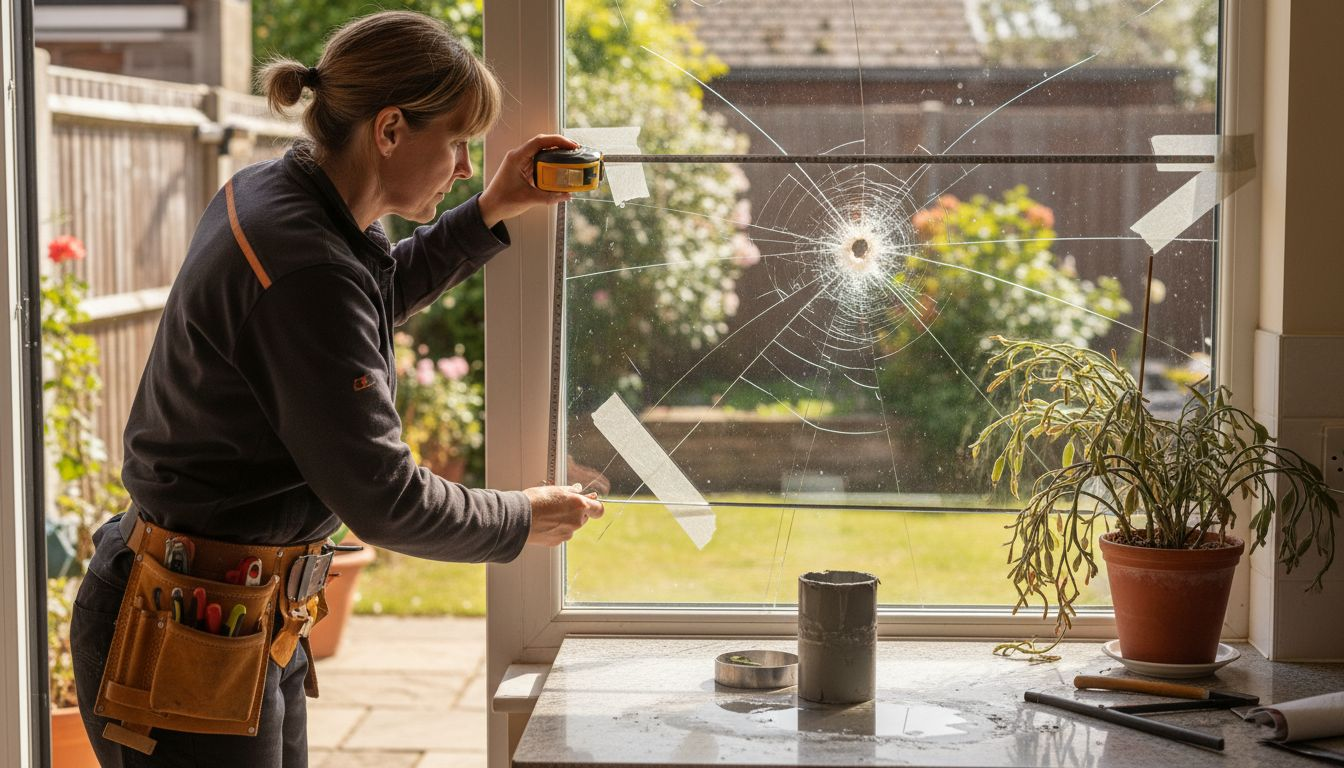
Window repairs often require coordination with glaziers. If glass is broken, it needs immediate replacement for weather protection. Window locks then need installing or upgrading—many older windows lack proper locking mechanisms entirely. This is a common security gap that burglars exploit. Upgrading to key-operated window locks on ground-floor windows significantly improves security.
The final stage is a comprehensive security review. Once all repairs are complete, a professional provides recommendations for additional security measures. This might include upgrading locks on other properties, installing additional window locks, improving exterior lighting, or addressing landscaping that provides cover for burglars. This review transforms a reactive repair process into a proactive security improvement.
Pro tip: Keep all repair invoices, photographs, and receipts from your burglary repairs—insurers may reimburse you, and documentation proves you’ve addressed security vulnerabilities if you ever need to claim again.
Burglary Repairs: UK Insurance Rules And Security Standards
Your insurance claim after a burglary depends entirely on whether your home meets your insurer’s security standards. This isn’t optional—it’s a fundamental condition of your policy. Many homeowners don’t realise that failing to meet these requirements can invalidate their entire claim, leaving them uncompensated for both damage and stolen items. Understanding what your insurer actually requires protects both your claim and your home’s security.
UK home insurers set specific minimum security standards that vary slightly between providers, but most follow similar principles:
- Door specifications – Solid timber, composite, or reinforced uPVC doors are required. Hollow-core doors or basic panel doors won’t meet standards
- Lock standards – Locks meeting British Standard BS3621 are the baseline requirement for most insurers. This standard specifies lock durability, pick resistance, and security levels
- Multi-point locking systems – uPVC and composite doors typically need multi-point locks with TS007 3-star cylinders for full compliance
- Glass protection – Any glazed panels in doors or windows must be laminated or toughened glass to prevent easy access
- Door frames and hinges – Frames must be sturdy, and hinges must be security-enhanced to resist forced entry
- Unoccupancy periods – Properties left unoccupied beyond specified periods (typically 30–60 days) may lose coverage unless additional security measures are in place
The BS3621 standard is critical to understand. This British Standard specifies minimum security levels for mortice locks and cylinders. It ensures locks can resist picking, bumping, and forceful attack for a minimum period. When you replace locks after a burglary, your locksmith will ensure replacements meet or exceed this standard. Insurance companies often require proof—lock packaging or certification—that your new locks are compliant.
Multi-point locking systems deserve particular attention if you have uPVC or composite doors. These systems use three or more locking points along the door’s edge, distributing pressure across the frame rather than concentrating it on a single lock. The TS007 3-star cylinder rating means the lock has undergone rigorous testing for anti-pick, anti-bump, and anti-snap resistance. Without this specification, your insurance may deny claims even if the lock looks substantial.
Missing a single insurer security requirement can void your entire claim—the difference between a valid claim and no compensation at all.
Glass protection standards exist because burglars often break glazed panels to reach internal handles or locks. Laminated glass stays intact when struck, making it difficult to break through. Toughened glass shatters into small, harmless pieces rather than large sharp shards, but more importantly for security, it requires significant impact to break. Standard annealed glass provides almost no security protection.
After a burglary, claims require specific evidence to be valid. Forced entry damage like broken locks or doors must be documented, and you need a police crime reference number. Your insurer will assess whether you’d met security standards before the break-in. If you hadn’t, they may refuse the claim entirely. This is why post-burglary repairs aren’t just about immediate security—they’re about preventing future claim rejections by ensuring compliance going forward.
Unoccupancy periods create a specific compliance trap. Many Bristol homeowners travel regularly, and holidays lasting beyond your policy’s unoccupancy threshold can invalidate coverage. Standard policies often allow 30 days unoccupied, but some limit it to just 14 days. If you’re burgled whilst your property is empty for longer than permitted, your insurer may deny the claim. Always check your specific policy limits before extended absences.
When you replace locks and repair doors after a break-in, ensure all work meets BS3621 and your insurer’s specific requirements. Ask your locksmith for certificates or documentation proving compliance. Different insurers occasionally have unique requirements—some demand monitored alarm systems, others require specific lock brands. Checking your policy documents before repairs begin ensures the work you pay for actually protects your claim.
Pro tip: Before arranging any burglary repairs, telephone your insurer and ask for their specific security requirements in writing—this prevents paying for upgrades that don’t meet their standards and ensures your claim will be valid.
See how UK insurance standards match essential security features:
| Insurance Requirement | Security Standard | Why Insurers Require It |
|---|---|---|
| Main door lock specification | BS3621-compliant lock | Ensures resistance to forced entry and manipulation |
| uPVC/composite door security | Multi-point lock, TS007 3-star | Distributes force, resists snapping and picking |
| Glass in key locations | Laminated or toughened glass | Reduces break-in risk via panels, prevents easy access |
| Door and hinge reinforcement | Solid frames, secure hinges | Resists prying and brute-force attacks |
| Window security | Key-operated locks | Prevents burglars opening windows from outside |
Essential Upgrades To Prevent Reoffending
After a burglary, the worst scenario is a repeat break-in. Burglars who’ve successfully targeted a property often return, knowing the layout and having identified weak points. Preventing reoffending isn’t about cosmetic improvements—it’s about making your home sufficiently difficult that the burglar moves on to easier targets. Strategic upgrades transform your property from vulnerable to genuinely protected.
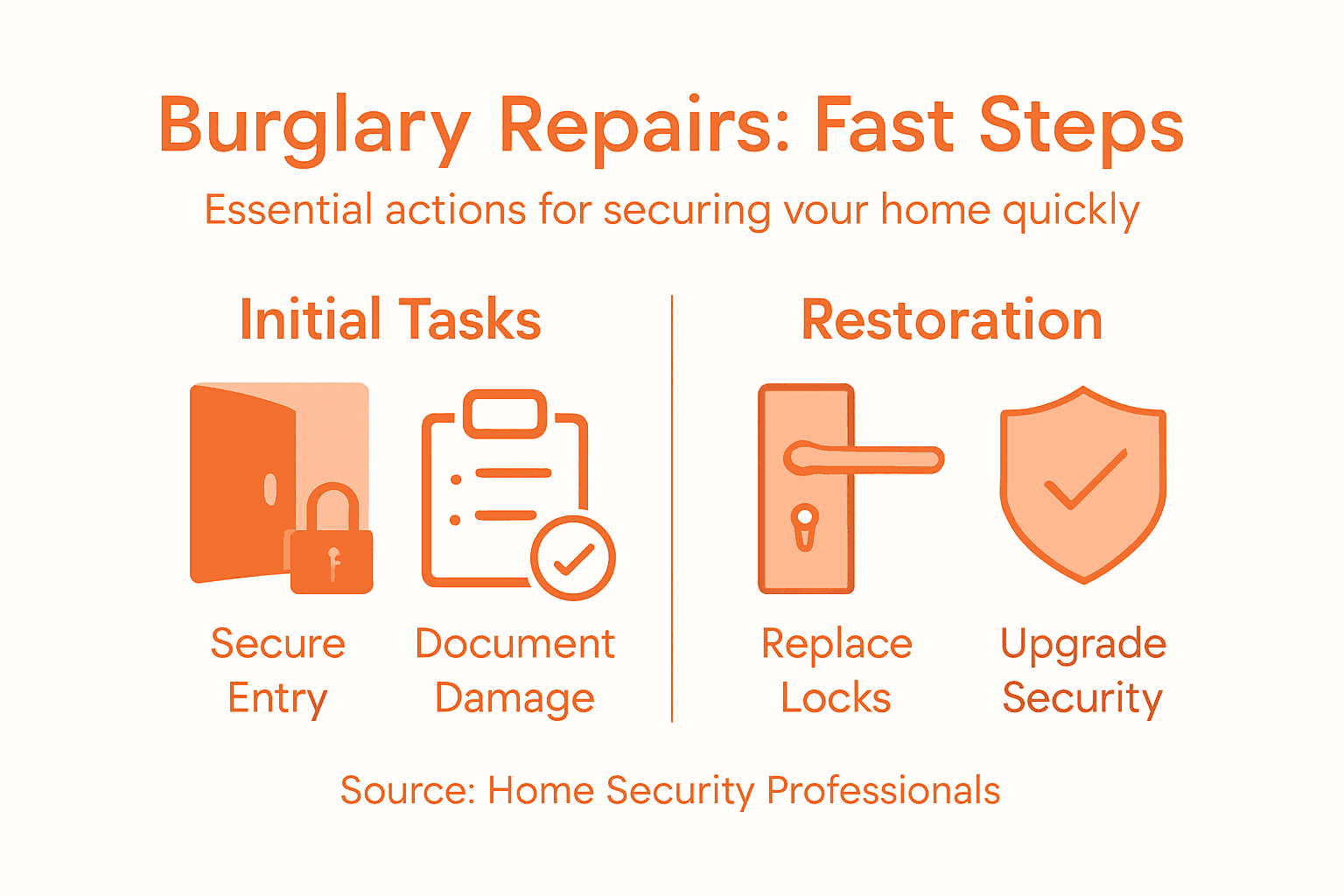
The most effective prevention measures focus on target hardening—making forced entry physically difficult and time-consuming. Target hardening measures like high-security locks and strengthened doors significantly reduce repeat burglaries. Research shows that properties with comprehensive security upgrades experience dramatically lower reoffending rates. The key is layered protection—no single measure is sufficient, but combined upgrades create a deterrent effect.
Priority upgrades after a burglary include:
- High-security locks on all external doors – BS3621 or higher-spec anti-snap locks on every door, not just the main entry
- Reinforced door frames – Metal reinforcement plates and security hinges that resist prying and forced entry
- Window locks on all ground-floor windows – Key-operated locks prevent easy internal access even if glass breaks
- Alarm system installation – Audible or monitored alarms deter opportunistic reoffending and alert you to intrusion attempts
- External lighting and visibility – Motion-activated lights eliminate hiding spots and increase perceived risk for burglars
- Solid doors throughout – Replacing any hollow-core or weak doors with solid timber or reinforced composite alternatives
Locks deserve particular focus because they’re the primary barrier. If a burglar successfully defeated your existing locks once, they’ll attempt the same technique again unless you upgrade. Lock upgrades strengthen doors and reduce repeat victimisation. Many homeowners replace the front door lock but ignore side doors, back doors, and garage doors. A burglar will simply try alternative entry points. Every external door needs the same security standard.
Door frame reinforcement is equally critical. A strong lock is only effective if the frame can support it. If a burglar previously forced your door by attacking the frame rather than the lock, frame reinforcement must happen. Metal reinforcement plates around the strike plate, longer screws anchoring hinges deeply into the frame structure, and security hinges that resist prying all work together. A locksmith can assess whether your existing frame can be reinforced or needs full replacement.
Burglars exploit patterns. If they entered through your back door once, they’ll try it again unless you upgrade that specific point to match your front door security.
Window security is frequently overlooked, yet ground-floor windows are common reoffending entry points. Installing key-operated window locks on every ground-floor window, and ideally on upper floors too, removes the temptation of easy access. Many older Bristol properties have sash windows or casement windows with no locking mechanism whatsoever. Adding locks costs relatively little but transforms vulnerability into genuine security.
Alarm systems provide both psychological and practical deterrence. Visible alarm box signage discourages casual attempt—burglars want quick, quiet jobs. Monitored alarms mean police response, which reoffenders particularly want to avoid. Even basic audible alarms that sound loudly when triggered can interrupt burglars mid-crime. The noise and attention draw neighbours’ attention, creating risk the burglar wants to escape.
Exterior lighting eliminates hiding spots where burglars might work unobserved. Motion-activated lights covering potential entry points mean a burglar cannot approach doors or windows without triggering illumination. Criminals prefer darkness and concealment. Well-lit exteriors significantly increase perceived risk and effort.
The cumulative effect of these upgrades is what prevents reoffending. A single upgrade—even an excellent lock—can be worked around. But combining high-security locks, reinforced frames, window locks, alarm systems, and good lighting creates a property that demands so much time and effort that the burglar simply moves to easier targets.
Pro tip: After installing upgrades, photograph them and send details to your insurer—documented security improvements may reduce your premium and strengthen your claim protection.
Restore Your Home’s Security Quickly With Expert Burglary Repairs
Recovering from a burglary is overwhelming but essential to protect your home and loved ones. This article highlights the critical challenges you face such as repairing forced door frames, replacing compromised locks with BS3621-approved options, and securing all windows and secondary entry points. You deserve a fast, reliable solution that not only fixes visible damage but also addresses the security weaknesses that allowed the break-in.
At AHLP Locksmiths, our professional locksmith services are designed to restore safety and peace of mind for homeowners across Bristol, South Gloucestershire and Gloucester. From emergency lock replacement to anti-snap lock upgrades and full burglary repairs, we use insurance-approved hardware to meet strict UK security standards. You can count on a thorough security assessment that covers every external door and window to prevent repeat offences.
Do not wait until a repeat burglary happens. Take control now by contacting our trusted local locksmith team who prioritise your safety with transparent pricing and fast response times. Call us directly on 07700 100146, or arrange a visit via our contact form to begin securing your home properly today.
Frequently Asked Questions About Burglary Repairs
What are the first steps to take after a burglary?
After a burglary, the initial steps include ensuring the property is safe by securing any damaged doors and windows, and documenting all damage with photographs for insurance claims.
How do I assess the damage from a break-in?
A thorough damage assessment involves checking all external doors and windows for forced entry signs, hidden damage from secondary access points, and evaluating the condition of locks and frames.
What types of locks should I use for enhanced security after a break-in?
You should replace existing locks with high-security options, such as locks meeting British Standard BS3621 or anti-snap locks, which offer greater resistance against common burglary methods.
How long does it typically take to complete burglary repairs?
The timeline for burglary repairs depends on the extent of the damage. Simple lock replacements can be done in a few hours, while major repairs, such as door frame replacements, may take several days.