
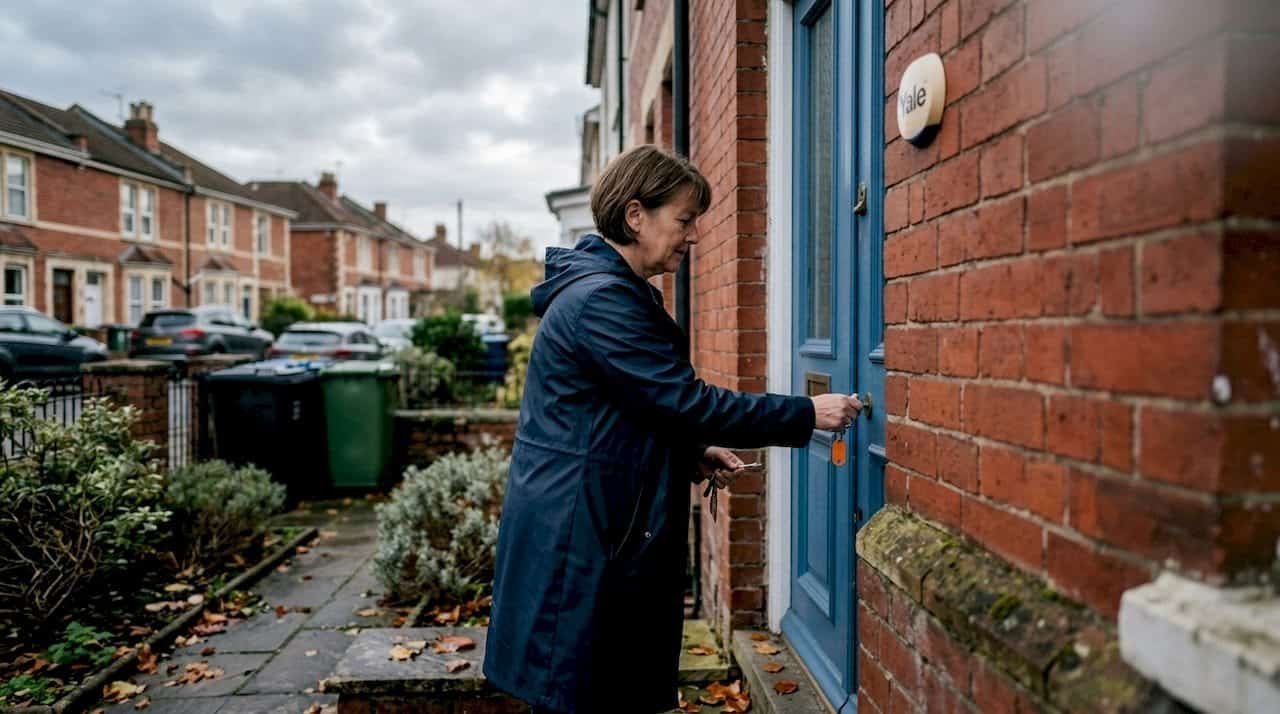
Home security does not have to mean filling your property with expensive technology. For most homes in Bristol and South Gloucestershire, the best place to start is by identifying weak entry points and fixing the problems that make access easier.
Avon and Somerset Police reports that around one in four burglaries involve no forced entry, which shows how often an open or poorly secured entry point can be enough. The practical approach is to work around your property systematically, checking doors, windows, side access, garages, sheds, lighting and the security measures you use when the property is empty.
Use this home security checklist to identify what needs attention first and where a more specific security upgrade may be worthwhile.
Home Security Checklist for Bristol Homes
Work through the property from the main entrance to the garden and outbuildings. You do not necessarily need to replace everything at once. The aim is to find specific weaknesses rather than assume that adding more security products automatically makes a home safer.
1. Check your front and back door locks
Start with every external door and identify the type of door and lock fitted.
Timber doors commonly use mortice locks, while uPVC and composite doors usually have multipoint locking mechanisms operated by a Euro cylinder. The lock needs to suit the door and frame, and the complete mechanism should engage correctly without needing excessive force.
Look for:
- Locks that are stiff or difficult to turn
- Loose handles or cylinders
- Doors that need lifting or pushing before they will lock
- Damage around the frame or strike plate
- Old external door locks that may not meet your insurer’s requirements
- Euro cylinders that protrude noticeably beyond the surrounding door furniture
For uPVC doors in particular, do not judge the security of the door purely by the number of locking points. The cylinder operating the multipoint mechanism is also important.
Read our guide to uPVC vs wooden door locks for a detailed explanation of the different mechanisms and the problems to look for.
2. Check Euro cylinders for anti-snap protection
Many uPVC and composite doors use Euro cylinders. Older or basic cylinders can be vulnerable to lock snapping, so check what is fitted rather than assuming that a multipoint door is automatically secure.
An anti-snap cylinder is designed so that an attack on the exposed section does not provide straightforward access to the locking mechanism. The correct cylinder also needs to be properly sized for the door rather than projecting unnecessarily from the handle or escutcheon.
Our guide to the advantages of anti-snap locks explains how they work and when replacing an existing cylinder may be appropriate.
3. Inspect accessible windows
Ground-floor windows, windows beside flat roofs and other easily reached openings deserve the same attention as doors.
Check that every accessible window closes fully and that its locking mechanism works without sticking or excessive movement. Pay particular attention to damaged handles, worn mechanisms, loose frames and windows that are routinely left partly open.
Depending on the window design, security options can include keyed window locks, espagnolette locks, shootbolts and multipoint mechanisms. Window restrictors can also be useful where controlled ventilation is required, although the right solution depends on the window and how it is used.
See our guide to window lock types in UK homes rather than trying to apply the same type of lock to every window.
4. Walk around the property after dark
Security weaknesses can be much easier to spot at night.
Walk from the pavement to the front entrance, along any side passage and around accessible parts of the rear garden. Look for areas where someone could approach a door or window without being easily seen.
Motion-activated lighting can be useful around side passages, rear doors, garages and other dark access points. At the same time, avoid allowing hedges and dense planting to create concealed working areas immediately beside doors and accessible windows.
This simple check is often more useful than buying additional equipment before you know where the property’s actual weak points are.
5. Check side gates and rear access
Side access can allow someone to move from the street to the back of a property without using the main entrance.
Inspect the gate itself as well as the lock, bolt, hinges and surrounding fence. A strong padlock has limited value if it is attached to a weak hasp, damaged timber or fittings that can easily be removed.
For terraced and semi-detached properties with shared alleys or rear access, consider security across the complete route rather than only your own back door. Lighting and properly secured gates can reduce the number of concealed routes leading towards rear windows and doors.
6. Secure garages, sheds and stored tools
Garages and sheds often contain bicycles, power tools, ladders and other valuable equipment. Those same items can sometimes be used to gain access to the main property.
Check garage locks for rust, stiffness, loose components or visible damage. The appropriate replacement depends on whether you have an up-and-over, roller, side-hinged or another type of garage door, so the mechanism needs to be matched correctly rather than relying on a generic padlock.
Shed doors should also be checked at the hinges, frame, hasp and lock. Store ladders and tools securely rather than leaving them available outside.
For more detail, see our lock replacement examples for uPVC doors, windows and garages.
7. Review alarms and visible deterrents
Physical security should make entry more difficult, while alarms and other visible measures can add another layer.
A UK Home Office study referenced in existing home-security guidance found that 84% of burglars surveyed said a visible alarm outside a property would deter them. If you already have an alarm, check that it works and that everyone in the household knows how and when to use it.
Visible CCTV can also cover entrances and driveways, while lighting can remove dark areas around vulnerable access points. These measures work best as part of a wider security plan rather than as substitutes for functioning locks, secure doors and properly protected windows.
8. Make the property look occupied when you are away
An obviously empty home can attract unwanted attention.
Light timers and smart plugs can switch lamps on and off while you are away, helping avoid a property remaining completely dark every evening. Avoid leaving valuables clearly visible through windows and consider how accumulated post, parcels or bins might signal that nobody is home.
It is also sensible not to publish holiday dates or real-time travel updates publicly on social media. For longer absences, ask a trusted neighbour or family member to keep an eye on the property where practical.
9. Use secure key storage
Do not leave spare keys under mats, plant pots or other predictable outdoor locations.
Where external key access is genuinely necessary, use a purpose-designed secure key safe fixed correctly to a suitable surface. The location and quality of the installation matter because a poorly mounted key safe can become another weak point.
Also review who currently holds spare keys. If keys have been lost, stolen or remain with people who should no longer have access, changing or rekeying the affected locks may be more appropriate than simply cutting another copy.
10. Review security when you move home
Moving into a property is a useful point to reassess every external lock.
Even when the previous owner or tenant returns their keys, you cannot know with certainty how many copies were made previously or who may still hold one. Check front, rear, side, patio and garage doors rather than replacing only the most obvious front-door lock.
This is also a good opportunity to compare existing locks with the security requirements in your home insurance policy.
11. Check security before autumn and winter
Avon and Somerset Police has highlighted increased burglary concerns during darker winter evenings. Reduced daylight makes lighting, visible occupancy and concealed access around the property particularly important.
Before winter, test outside lighting, inspect locks that have become stiff or difficult to operate and check whether doors have moved out of alignment. Timber and multipoint mechanisms can both develop operational problems as weather conditions change.
A seasonal review can catch a deteriorating lock or mechanism before it becomes either a security weakness or a complete lock failure.
12. Check whether you qualify for local security support
Some residents in South Gloucestershire may be eligible for practical security assistance through the Be Home Safe scheme.
The scheme has operated locally for many years and supports eligible vulnerable residents with security improvements and advice. If you or someone you support may qualify, check the current eligibility requirements with South Gloucestershire Council before paying privately for the same type of work.
Local schemes are particularly useful for people who may struggle to assess or improve vulnerable entry points themselves.
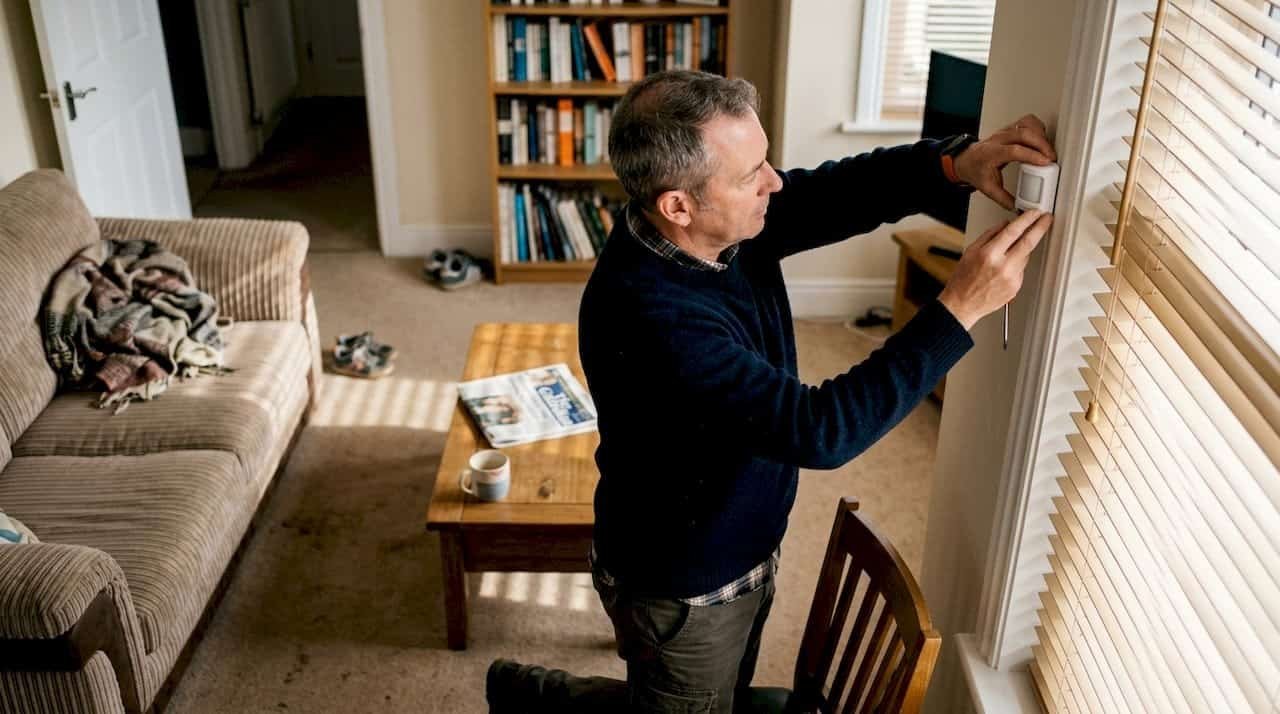
Which Home Security Checks Should You Prioritise?
Not every Bristol or South Gloucestershire property has the same weak points.
Detached homes have more perimeter and side access to consider. Check gates, garden lighting, outbuildings and less visible rear entry points carefully.
Terraced and semi-detached homes may have shared alleys or rear access routes. Check how easily somebody can move from the street towards the rear of the property and coordinate gate or lighting improvements with neighbours where appropriate.
Flats rely partly on communal security. Check the main entrance system as well as the individual flat door, accessible windows and any shared entrances that are routinely left unsecured.
Older properties may have timber doors, ageing frames and traditional locks. Check the condition of the complete door and frame rather than fitting a stronger lock to weakened timber.
Modern homes with uPVC or composite doors should have their multipoint mechanisms and Euro cylinders checked. A door with several locking points can still have a vulnerable or poorly fitted cylinder.
Layer Your Home Security
There is no single product that makes a property secure.
A practical home security plan combines properly fitted physical security with lighting, alarms, sensible key control and measures that make an empty property less obvious. Each layer addresses a different weakness.
A useful order is:
- Fix damaged doors, windows and frames.
- Replace vulnerable or unsuitable locks.
- Secure side access, garages and outbuildings.
- Improve lighting around concealed areas.
- Add alarms or cameras where they provide useful coverage.
- Review how keys are stored and shared.
- Recheck the property whenever circumstances change.
For a more detailed room-by-room review, use our home security checklist for Bristol homes.
When Should You Ask a Locksmith to Check Your Home?
Some problems can be spotted easily, but others involve the relationship between the lock, door, frame and mechanism.
Consider getting professional advice if a lock is becoming stiff, a door has dropped out of alignment, a multipoint mechanism does not engage properly, a Euro cylinder appears vulnerable, keys have been lost or the property has recently been burgled.
A security assessment can also be useful after moving into a new property or where you are unsure which upgrades genuinely need attention. Our home security consultations are designed to assess the individual property rather than apply the same recommendation to every home.
AHLP Locksmiths works with homeowners across Bristol, South Gloucestershire and Gloucester on lock replacements, security upgrades and property assessments. If you need urgent assistance following a break-in, our locksmith services also cover emergency securing and lock replacement.
Frequently asked questions
What are the most important home security checks for a Bristol property?
Start with the entry points that somebody could realistically reach from outside, including external doors, accessible windows, side gates and garages. Check the condition of the complete door or window rather than looking only at whether a lock is present. After physical security, review lighting, alarms, key storage and what happens when the property is empty. Working through these areas systematically is more useful than buying security products without first identifying the weak points.
How can I improve the security of a uPVC front door?
Check that the multipoint mechanism engages smoothly at every locking point and that the door does not need excessive lifting or force to lock. Then identify the Euro cylinder and check whether it has appropriate anti-snap protection and fits correctly without unnecessary projection. Loose handles, stiff operation or poor door alignment should also be investigated because they can place additional strain on the mechanism. Our uPVC and wooden lock guide explains the differences in more detail.
Are anti-snap locks worth fitting to uPVC and composite doors?
Anti-snap cylinders are designed specifically to resist attacks that target vulnerable Euro cylinders. They can therefore be an appropriate upgrade on uPVC and composite doors that rely on a Euro cylinder to operate the multipoint mechanism. The cylinder still needs to be correctly sized and installed because security depends on the complete door, frame and locking system rather than one component. Our anti-snap lock guide explains what to look for before replacing an existing cylinder.
How should I secure ground-floor windows against burglary?
Start by checking that every accessible window closes properly and that its locking mechanism operates without looseness, sticking or visible damage. The appropriate lock depends on whether the property has casement, sash, sliding, uPVC, timber or aluminium windows. Key-operated locks, multipoint mechanisms and suitable restrictors may all have a role depending on the window and how it is used. Our guide to window lock types covers the main options in more detail.
What should I check on a garage or shed to improve security?
Inspect the complete entry point, including the lock, hinges, frame, hasp and the condition of the door itself. Garage locks that are rusted, loose or becoming difficult to operate should be assessed before they fail, with the replacement matched to the type of garage door. Secure tools, ladders and bicycles inside because unsecured equipment may be valuable itself or provide another way to attack the main property. Our lock replacement examples include practical information on damaged garage locks and other overlooked entry points.
Should I change my locks when I move into a new home?
Changing or rekeying external locks is worth considering because you cannot know with certainty how many copies of the old keys still exist. Previous occupants may have provided keys to relatives, neighbours, cleaners, contractors or other people over the years. Review every external entrance, including rear, side, patio and garage doors, rather than concentrating only on the front door. Moving home is also a sensible time to check whether the existing locks meet the requirements stated in your home insurance policy.
How can I make my home look occupied while I am away?
Use timers or smart plugs to operate selected lights rather than leaving the entire property dark every evening. Arrange for post, parcels and bins to be dealt with where possible so they do not provide an obvious sign that nobody is home. Avoid publicly sharing holiday dates or real-time travel updates that reveal how long the property will be empty. Before leaving, work through the same door, window, garage, gate and alarm checks you would use during a normal home security review.
Do visible burglar alarms help deter burglars?
A visible alarm adds a deterrent that can make a property less attractive to an opportunistic intruder. A UK Home Office study referenced in existing security guidance reported that 84% of burglars surveyed said a visible alarm outside a property would deter them. An alarm should still be treated as one part of the security setup rather than a replacement for properly fitted locks, secure windows and controlled access. If you already have an alarm, test it regularly and make sure household members know how to use it correctly.
Can South Gloucestershire residents get help with home security improvements?
Eligible vulnerable residents may be able to receive security advice or practical improvements through the local Be Home Safe scheme. Eligibility and the assistance available can change, so check the current information from South Gloucestershire Council before arranging work. This can be particularly useful for residents who find it difficult to inspect or improve locks and other vulnerable entry points themselves. If the scheme does not apply to you, a property-specific security assessment can help identify which improvements are actually necessary.
How often should I review my home security?
Review security whenever something changes, such as moving home, losing keys, carrying out building work or noticing that a lock or door is no longer operating correctly. A seasonal check before the darker autumn and winter months is also useful for testing external lighting and identifying concealed access around the property. Include garages, sheds, gates and accessible windows rather than limiting the inspection to the front door. A short routine inspection can identify wear or poor alignment before it develops into a failed lock or a more serious security weakness.
Recommended
- Home Security Checklist for Bristol Homes 2026
- The Ultimate Guide to Home Security: Everything You Need to Succeed in Bristol – Auto Home Lock Pro
- 7 Essential Locksmith Tips for Homeowners in Bristol
- Home security consultation explained: expert advice
- Security & Life Integrations | Your All-In-One Security Company