
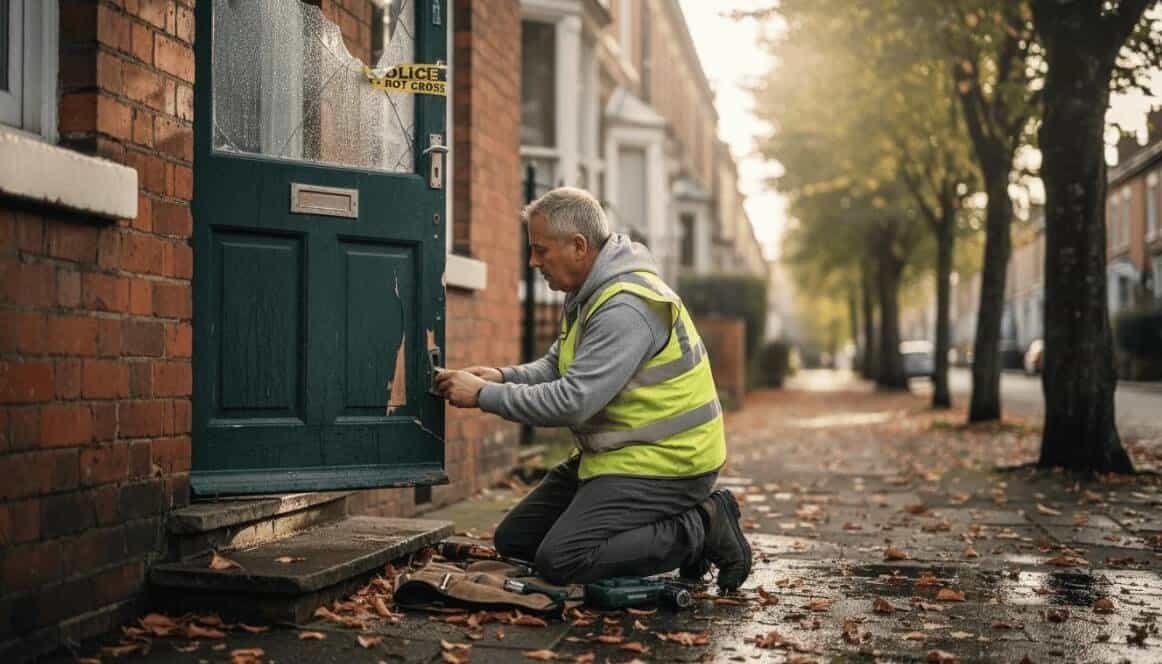
A break-in brings more questions than answers for homeowners in Bristol and South Gloucestershire. Many believe burglary is only about stolen belongings, but under United Kingdom law, it includes any unlawful entry with intent to damage or harm as well. This distinction shapes insurance claims, police response, and urgent repairs. Discover how addressing misconceptions and focusing on restoring security after a burglary provides real protection and peace of mind.
Table of Contents
- Burglary Repairs Defined And Common Misconceptions
- What Burglary Repairs Actually Involve
- Security Myths Holding Homeowners Back
- Types Of Burglary Damage Needing Urgent Repair
- Entry Point Damage
- Lock And Mechanism Damage
- Interior Damage And Ransacking
- Repair Process And British Security Standards
- Immediate Response And Temporary Measures
- Assessment And Planning
- Permanent Repairs And British Standards Compliance
- Legal Responsibilities And Insurance Requirements
- Homeowner Responsibilities
- Landlord And Tenant Responsibilities
- Insurance Claims And Repair Standards
- Risks Of Delayed Repairs And Common Mistakes
- Immediate Risks Of Delayed Repairs
- Common Mistakes Homeowners Make
- Why Documentation Matters
Key Takeaways
| Point | Details |
|---|---|
| Burglary Defined | Under UK law, burglary includes unlawful entry with intent to steal, cause harm, or damage property, not solely theft. |
| Repair Priorities | Repairs after a burglary focus on restoring security, including securing entry points and upgrading locks. |
| Insurance Requirements | Compliance with British Standards is crucial for repair approvals and insurance claims after a burglary. |
| Documentation Importance | Promptly documenting damage with photographs and written reports helps prevent complications with insurance claims. |
Burglary repairs defined and common misconceptions
A burglary isn’t always what homeowners think it is. Under UK law, burglary refers to unlawful entry with intent to steal, cause harm, or damage property—not just the act of theft itself. Many Bristol residents assume a break-in is only a burglary if items were stolen, but that’s a common misconception.
The legal definition matters because it affects insurance claims, police response, and repair priorities. Understanding burglary definitions under the Theft Act 1968 helps you communicate clearly with your insurer and locksmith about what happened.
Here are the key points homeowners often get wrong:
- Theft versus burglary: A burglar entering through a window intending to steal is burglary, even if they find nothing and leave empty-handed.
- Damage assumptions: Breaking in to cause damage counts as burglary, regardless of whether valuables were taken.
- Entry method: It doesn’t matter if they smashed a window or picked a lock—unlawful entry is the key factor.
- Time of day: Burglaries happen 24/7, not just at night. Day-time break-ins are equally serious.
Many people also misunderstand what repairs actually address after a break-in. Burglary repairs aren’t just about replacing broken doors or windows—they’re about restoring security to prevent future incidents.
What burglary repairs actually involve
After a break-in, repairs focus on three areas: securing entry points, upgrading locks, and addressing damage. Your locksmith assesses which doors, windows, and locks were compromised and recommends solutions tailored to your property.
Common repairs include:
- Replacing damaged or compromised locks
- Installing upgraded mortice locks or anti-snap mechanisms
- Repairing or replacing broken doors and frames
- Securing window locks and hinges
- Addressing latch damage on UPVC doors
Security myths holding homeowners back
Research shows homeowners often rely on the wrong deterrents. Many assume alarms alone prevent burglaries, but simple security measures like window locks and timed lighting provide better protection.
This is critical after a break-in. Your repairs should focus on physical security upgrades—quality locks and secure entry points—not just visible alarm boxes.
Another misconception: basic locks are sufficient. Standard locks can be compromised in seconds. Anti-snap locks and British Standard-certified mechanisms offer genuine protection that visible alarms simply don’t provide.
After a burglary, effective repairs combine physical security upgrades with strategic deterrents—and locks matter far more than you might think.
Pro tip: When your locksmith assesses post-burglary repairs, ask specifically about anti-snap lock upgrades and British Standard compliance; these features directly influence insurance approval and future break-in prevention.
Types of burglary damage needing urgent repair
Burglary damage varies wildly depending on how the intruder entered and what they did inside. Some break-ins involve smashing through doors and windows; others leave locks snapped clean or mechanisms bent beyond recognition. The common thread is urgency—every type of damage compromises your security and needs swift attention.
Understanding what to expect helps you prioritise repairs and communicate effectively with your locksmith and insurer. Typical burglary damage includes forced entry points and broken locks, all of which require immediate restoration to prevent repeated victimisation.
Entry point damage
Forced entry causes the most visible and urgent damage. Burglars typically target doors and windows because they’re the fastest route inside.
Common entry damage includes:
- Smashed door frames: Forcing a door splinters the frame, weakening the entire structure
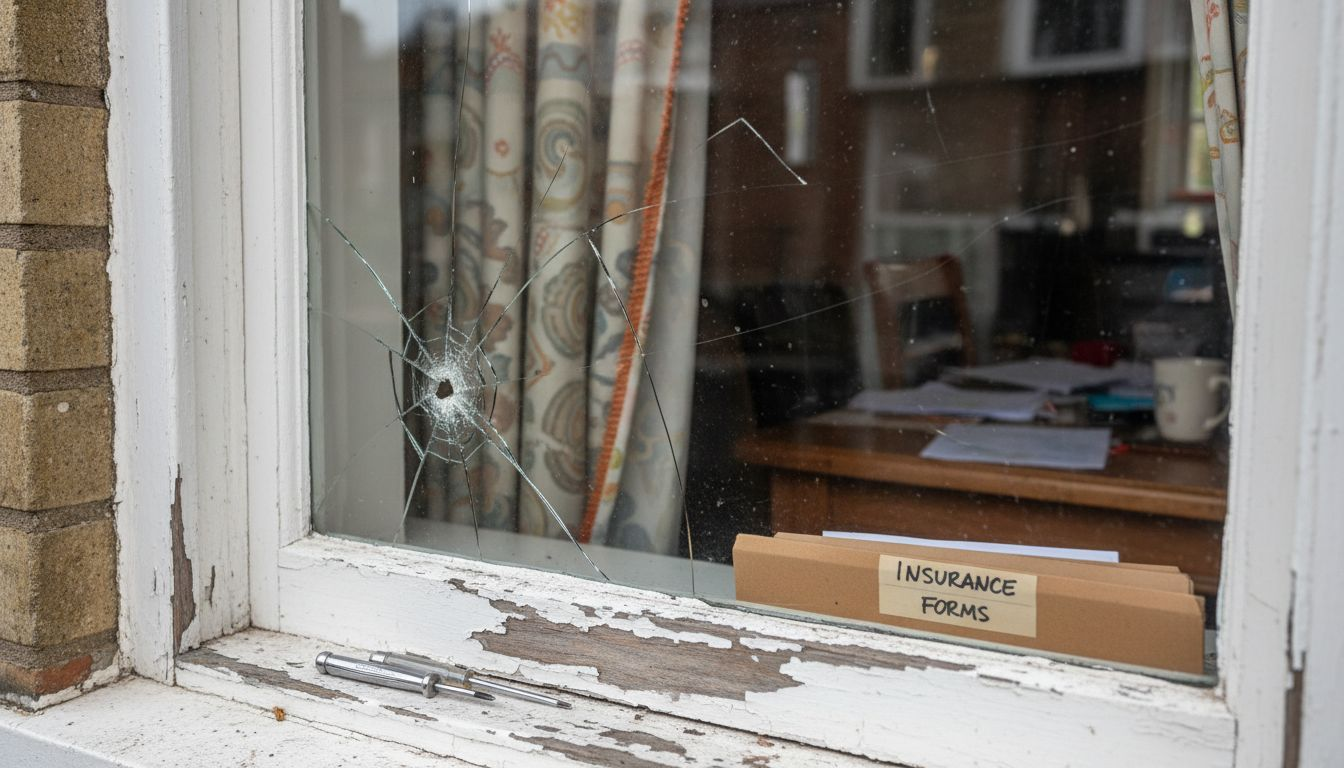
- Broken window glass: Shattered windows leave sharp edges and obvious security gaps
- Splintered wooden doors: Solid wood doors can split when forced, compromising their integrity
- Damaged UPVC frames: Composite and UPVC doors may crack or warp when forced
- Pried hinges: Burglars sometimes target hinges on outward-opening doors
These repairs aren’t cosmetic—they’re critical to preventing another break-in. A damaged frame or window creates the same vulnerability that attracted the burglar initially.
Lock and mechanism damage
Locks take direct abuse during break-ins. Burglars use force, leverage, or tools to compromise them, leaving snapped cylinders, bent bolts, or completely destroyed mechanisms.
Damage patterns you’ll encounter:
- Snapped Euro cylinders (the most common)
- Bent or twisted mortice locks
- Shattered deadbolts
- Damaged latch mechanisms on doors
- Broken window locks and catches
A damaged lock won’t function properly, even if it appears intact from outside. The mechanism inside may be compromised, leaving you vulnerable to future attempts.
Interior damage and ransacking
Beyond entry points, burglary often involves soiling, ransacking, and damage to security systems. Burglars may smash alarm boxes, damage CCTV systems, or destroy internal locks on safes and cupboards.
Interior repairs include:
- Replacing or repairing alarm system components
- Restoring CCTV cameras and wiring
- Fixing internal locks on safes or secure doors
- Repairing walls or door damage from forced entry
Speed matters after a burglary. Every hour your property sits damaged increases the risk of a second break-in by the same offenders or opportunistic criminals.
Pro tip: Photograph all damage immediately after a break-in, before cleaning or repairing anything—your insurer and locksmith need clear documentation to process claims and recommend the right repairs.
Repair process and British security standards
After a break-in, the repair process isn’t just about fixing what’s broken—it’s about fixing it correctly. That means understanding British security standards and ensuring your new locks, doors, and windows meet them. Insurance companies expect this, and frankly, your security depends on it.
The repair process unfolds in stages. First comes immediate action: securing your property temporarily if entry points are compromised. Then comes assessment, where a qualified locksmith identifies which components failed and which need upgrading. Finally, permanent repairs install compliant hardware that prevents future break-ins.
Immediate response and temporary measures
The first 24 hours are critical. Your property is vulnerable, and you need fast action.
Immediate steps include:
- Temporary boarding of broken windows or doors
- Emergency lock changes on compromised entry points
- Assessment of other vulnerabilities
- Documentation for insurance claims
These aren’t permanent solutions—they buy you time whilst permanent repairs are arranged. A professional locksmith can secure your property same-day whilst you organise longer-term repairs.
Assessment and planning
Your locksmith inspects every entry point, tests locks and mechanisms, and identifies what can be repaired versus what must be replaced. This assessment determines whether you need new doors, upgraded locks, or just mechanism replacements.
During assessment, ask about:
- Which components failed first
- Whether repairs or full replacement is needed
- Available security upgrades
- British Standard compliance options
Permanent repairs and British Standards compliance
British security standards such as BS3621 for locks provide guidelines for ensuring your repairs actually prevent future break-ins. BS3621 specifies lock performance, BS7958 covers CCTV systems, and other standards address doors and windows.
Compliant repairs include:
- Installing BS3621-certified mortice locks
- Upgrading to anti-snap Euro cylinders
- Replacing doors with tested, secure options
- Installing secure window locks and hinges
Why does this matter? Insurers often require British Standard compliance for claims approval. More importantly, compliant hardware genuinely performs better against forced entry.
Your insurer may refuse to cover future break-ins if you don’t use British Standard-compliant hardware in your repairs—compliance protects both your security and your coverage.
Pro tip: Request a detailed repair specification from your locksmith that lists each component’s British Standard certification before work begins; this documentation supports insurance claims and proves your property meets security requirements.
Here’s how different repair upgrades affect home security and insurance:
| Repair Upgrade | Security Benefit | Insurance Impact |
|---|---|---|
| Anti-snap lock installation | Prevents lock-picking and snapping | Often mandatory for claims |
| Mortice lock upgrade | Resists forced entry attempts | Meets British Standards |
| Window lock enhancement | Secures vulnerable entry points | Reduces repeat break-in risk |
| British Standard hardware | Proven resistance to attack | Essential for policy approval |
Legal responsibilities and insurance requirements
Who pays for burglary repairs? The answer depends on whether you own or rent your property. Responsibilities differ significantly, and understanding yours prevents disputes and ensures claims get approved. Your insurance also plays a major role in what repairs are covered.
If you’re a homeowner, you’re responsible for all repairs. If you’re a tenant, your landlord has legal obligations under UK housing law. Getting this wrong can cost thousands in unreimbursed repairs or denied insurance claims.
Homeowner responsibilities
As a homeowner, you own the repairs and the insurance decisions. Your buildings insurance typically covers structural repairs like doors, frames, and windows. Your contents insurance covers stolen or damaged belongings.
Your responsibilities include:
- Arranging and paying for all burglary repairs
- Maintaining insurance coverage with adequate limits
- Making repairs within reasonable timeframes to prevent further damage
- Using insurance-approved or British Standard-compliant hardware
- Documenting all damage for insurance claims
Failure to repair quickly can actually void insurance claims. Insurers expect property owners to act swiftly to prevent additional losses.
Compare legal repair responsibilities for homeowners and tenants:
| Role | Who Arranges Repairs | Covers Structure | Covers Contents |
|---|---|---|---|
| Homeowner | Owner or insurer | Yes | Yes |
| Landlord | Landlord | Yes | No |
| Tenant | Tenant (for belongings) | No | Yes |
Landlord and tenant responsibilities
Landlords have legal responsibilities to carry out urgent repairs under the Landlord and Tenant Act 1985, including burglary damage. They must maintain the structure and security of the property. Tenants must report damage promptly.
Landlord obligations:
- Making emergency repairs within 24-48 hours
- Restoring structural security and entry points
- Using qualified professionals for permanent repairs
- Holding landlord insurance covering structural damage
Tenant responsibilities:
- Reporting all damage immediately, in writing
- Cooperating with repair access
- Holding contents insurance for personal belongings
- Not delaying repairs through unavailability
Insurance claims and repair standards
Insurers won’t reimburse repairs that don’t meet their standards. Failure to repair to required standards can lead to legal action and compensation claims, highlighting why using compliant hardware matters.
Before repairs begin:
- Notify your insurer of the break-in
- Ask what repair standards they require
- Request approval for proposed repairs and contractors
- Confirm whether British Standard compliance is mandatory
- Get written quotes specifying components and certifications
Your insurance claim depends on using approved contractors and compliant hardware—skip this step and you risk losing coverage for repairs you’ve already paid for.
Pro tip: Contact your insurer before starting any repairs, not after, and request written confirmation of what hardware and standards they require; this prevents costly rejections of repair claims.
Risks of delayed repairs and common mistakes
Every day your burglary damage sits unrepaired is another day your home sits vulnerable. Delayed repairs don’t just affect your immediate security—they create cascading problems that cost more money, more stress, and sometimes legal complications. Many Bristol homeowners make predictable mistakes that make things worse.
The risks compound quickly. A broken window left unboarded invites a second break-in. Unrepaired structural damage allows weather damage to develop. Delayed reporting to insurers can void claims entirely. These aren’t minor inconveniences—they’re financial and security disasters waiting to happen.
Immediate risks of delayed repairs
Time is your enemy after a burglary. The longer damage sits, the more vulnerable you become.
Direct risks include:
- Repeat burglaries: Criminals return to properties they know are damaged or poorly secured
- Weather damage: Broken windows and doors allow rain, wind, and cold to damage interiors
- Health hazards: Exposure from broken windows creates safety risks, especially for children and elderly residents
- Insurance complications: Delayed reporting or slow repairs can result in claim denials
- Secondary damage: Water damage and deterioration worsen initial burglary damage
One Bristol homeowner delayed repairs for three weeks while arranging quotes. During that time, rain damaged the interior, and the property was targeted again.
Common mistakes homeowners make
Delayed repairs can lead to worsening damage, health hazards, and financial losses. The mistakes are often simple oversights that compound into serious problems.
Common errors:
- Not reporting damage to insurers immediately
- Failing to document damage with photographs and written descriptions
- Assuming repairs will happen automatically without follow-up
- Skipping temporary security measures to save money
- Not keeping records of landlord communications or repair requests
- Choosing the cheapest contractor instead of qualified, insured professionals
Tenants face additional risks. Failing to report damage promptly, providing inadequate temporary security, and neglecting to enforce repairs legally worsens outcomes significantly.
Why documentation matters
Written records protect you legally and financially. An email to your landlord is evidence; a phone call is not. Photographs dated immediately after a break-in prove the extent of damage; vague descriptions don’t support insurance claims.
Document everything:
- Photographs of all damage (interior and exterior)
- Written reports to landlords or insurers with dates
- Repair quotes with detailed specifications
- Invoices and receipts for all repairs
- Communications about timescales and follow-ups
Delayed repairs don’t just risk another break-in—they risk losing insurance coverage, facing legal claims from landlords, and turning a recoverable situation into a financial disaster.
Pro tip: Report burglary damage to your insurer and landlord within 24 hours, in writing, with dated photographs; this single action prevents most common claim denials and legal complications.
Protect Your Bristol Home with Expert Burglary Repairs and Locksmith Solutions
A break-in leaves more than just broken locks and shattered glass — it shatters your sense of security. The challenge after burglary damage is restoring your property to a fully secure state using British Standard-compliant hardware and proven anti-snap lock technology. At AHLP Locksmiths, we understand the urgent need to repair damaged entry points, replace compromised locks, and eliminate vulnerabilities that invite repeat offences. Our professional locksmith services focus on preventing future break-ins while meeting insurance requirements.
Don’t risk further damage or claim denials due to inadequate repairs. Whether you need immediate emergency response or a comprehensive security upgrade, our local team is ready to help. Explore our locksmith services to see how we specialise in burglary repairs tailored for Bristol homes. Act now to restore your peace of mind by calling 07700 100146 for fast, reliable, and fully compliant burglary repair solutions.
Frequently Asked Questions
What steps should I take immediately after a burglary?
You should secure your property temporarily, document all damage with photographs, and contact your insurance provider to report the break-in as soon as possible.
How can I ensure my repairs meet insurance requirements?
Use British Standard-compliant hardware for any repairs, and request a detailed specification from your locksmith to demonstrate compliance with insurance standards.
What types of locks offer better security after a burglary?
Upgraded locks such as anti-snap locks and BS3621-certified mortice locks provide enhanced protection against forced entry and are often required for insurance claims.
Why is it important to document damage after a break-in?
Documenting damage with photographs and written descriptions helps support insurance claims and ensures you have a record of the events, which can protect you legally and financially.
Recommended
- Burglary Repair: Restoring Safety in Bristol Homes
- Burglary Repairs Explained: Restoring Home Security Fast
- 7 Practical Examples of Burglary Repairs for Homeowners
- Trusted Domestic Locksmiths Near You – AHLP Locksmiths