
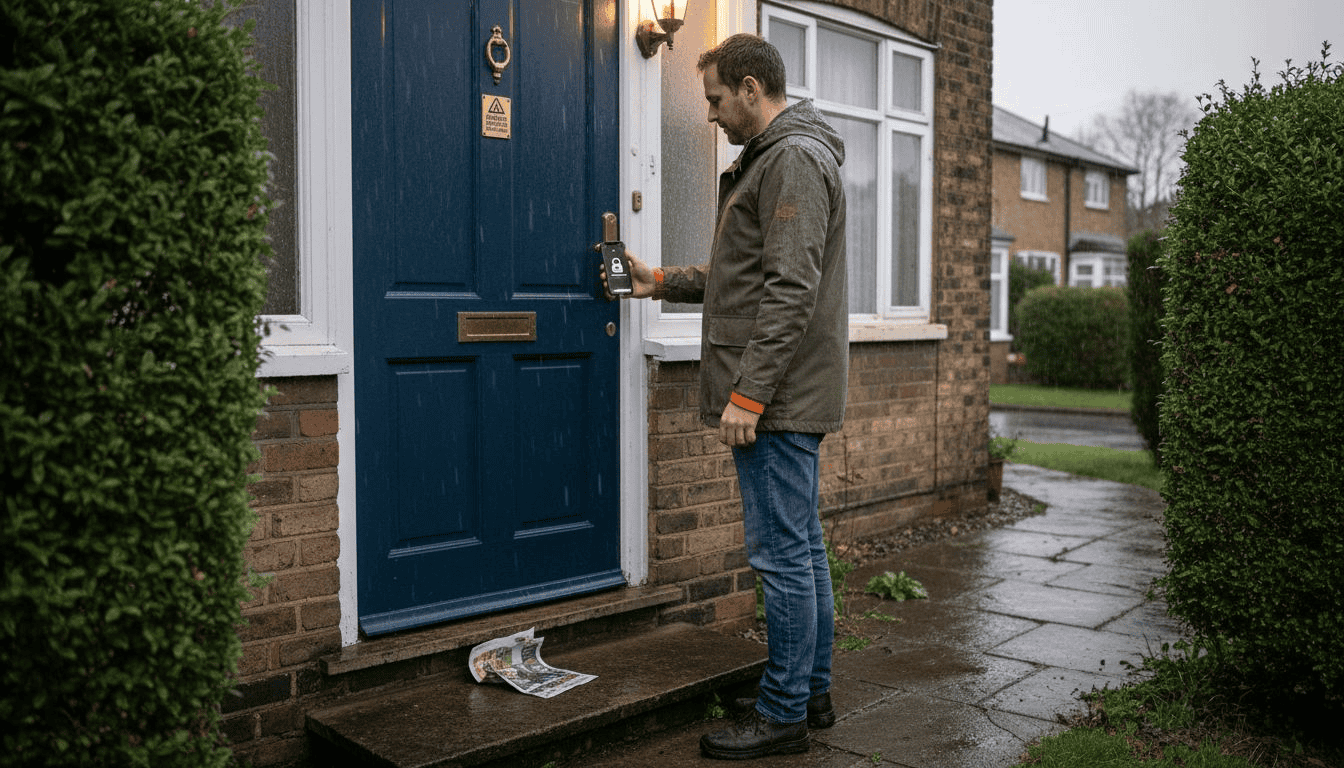
Break-ins across Bristol and South Gloucestershire continue to expose homeowners relying on outdated or non-compliant locks. Many assume basic door locks provide adequate protection, yet most fail UK insurance standards and offer minimal resistance to determined burglars. This guide delivers expert-backed, locally relevant security measures combining certified locks, visible technology deterrents, and smart behavioural practices to dramatically reduce your home’s burglary risk.
Table of Contents
- Selection Criteria For Home Security Measures
- Physical Security Enhancements: Locks, Doors, And Windows
- Technology-Based Deterrents: Alarms, Cameras, And Lighting
- Securing Outbuildings And Property Perimeter
- Seasonal And Behavioural Security Measures
- Summary Comparison Of Security Options
- Situational Picks: Choosing The Right Security Measures For Your Home
- Protect Your Home With Expert Locksmith Services In Bristol And South Gloucestershire
- Frequently Asked Questions
Key takeaways
| Point | Details |
|---|---|
| Certified locks reduce risk | BS3621 and PAS 24 certified locks meet insurance requirements and resist forced entry effectively. |
| Visible alarms deter most burglars | Visible alarm systems deter 83% of burglars who actively avoid homes with external sirens. |
| Lighting eliminates hiding spots | Motion-activated lighting with advanced sensors improves security while cutting false alarms by up to 50%. |
| Secure outbuildings prevent tool theft | Sheds and garages containing tools help burglars break in; strong padlocks and CCTV reduce this risk. |
| Social media posts increase risk | Publicising travel plans alerts thieves to unoccupied homes, increasing targeted burglary likelihood. |
Selection criteria for home security measures
Choosing effective home security requires understanding what truly deters burglars in Bristol and South Gloucestershire. Not all locks or systems meet local crime patterns or UK standards. Consider these essential criteria:
- British Standards compliance: Insurance-compliant British Standards locks ensure physical security and insurance acceptance. Without BS3621 or PAS 24 certification, your policy may not cover break-in claims. Check lock compliance UK standards to verify your current setup.
- Physical strength and certified materials: Certified locks use hardened steel and anti-drill components, resisting common attack methods like drilling, snapping, or picking.
- Visible deterrence technology: Burglars scout properties first. External alarm boxes, cameras, and motion lights signal risk, prompting them to move on.
- Environmental design: Clear sightlines, trimmed hedges, and well-lit pathways eliminate hiding spots and reduce opportunities for concealed forced entry.
- Professional installation: Even the best security upgrades in Bristol fail if installed incorrectly. Local locksmith expertise ensures compliance and durability.
Pro Tip: Always verify that new locks carry visible British Standard markings. Counterfeit or uncertified products may look secure but offer little actual protection.
Balancing cost against effectiveness matters, but prioritise insurance compliance and proven deterrents. Inexpensive basic locks often cost more long-term through failed claims and repeated break-ins.
Physical security enhancements: locks, doors, and windows
Your first defence layer starts with insurance-approved locks and reinforced entry points. Physical barriers force burglars to spend more time and make more noise, increasing detection risk.
- BS3621 mortice deadlocks: Five-lever mortice deadlocks with BS3621 certification dramatically reduce burglary risk by resisting picking and drilling. These locks meet insurance requirements and install on wooden doors.
- Multi-point locking systems: PAS 24 certified doors with at least three locking points provide strong resistance. UPVC and composite doors need these systems to achieve compliance.
- Anti-snap and anti-lift devices: Patio and French doors remain common break-in targets. Installing anti-snap cylinders and anti-lift blocks closes these vulnerabilities. Learn more about upgrading door locks in Bristol for property-specific advice.
- Window security: Fit specialist window locks on all ground-floor and accessible upper windows. Reinforcement films add a layer against glass smashing. Understanding window locks importance helps prioritise this often-overlooked area.
- Professional locksmith installation: DIY fitting often leaves gaps in security. Professional installation ensures all components align correctly, locks engage fully, and British Standard compliance holds.
Pro Tip: Replace locks immediately after moving into a new property or losing keys. Previous owners or unknown key holders create security risks you cannot measure.
Doors and windows with visible quality locks also signal to burglars that easier targets exist nearby. Physical security remains your most critical investment.
Technology-based deterrents: alarms, cameras, and lighting
Technology complements physical barriers by increasing detection risk and deterring burglars before they attempt entry. Visibility matters as much as function.
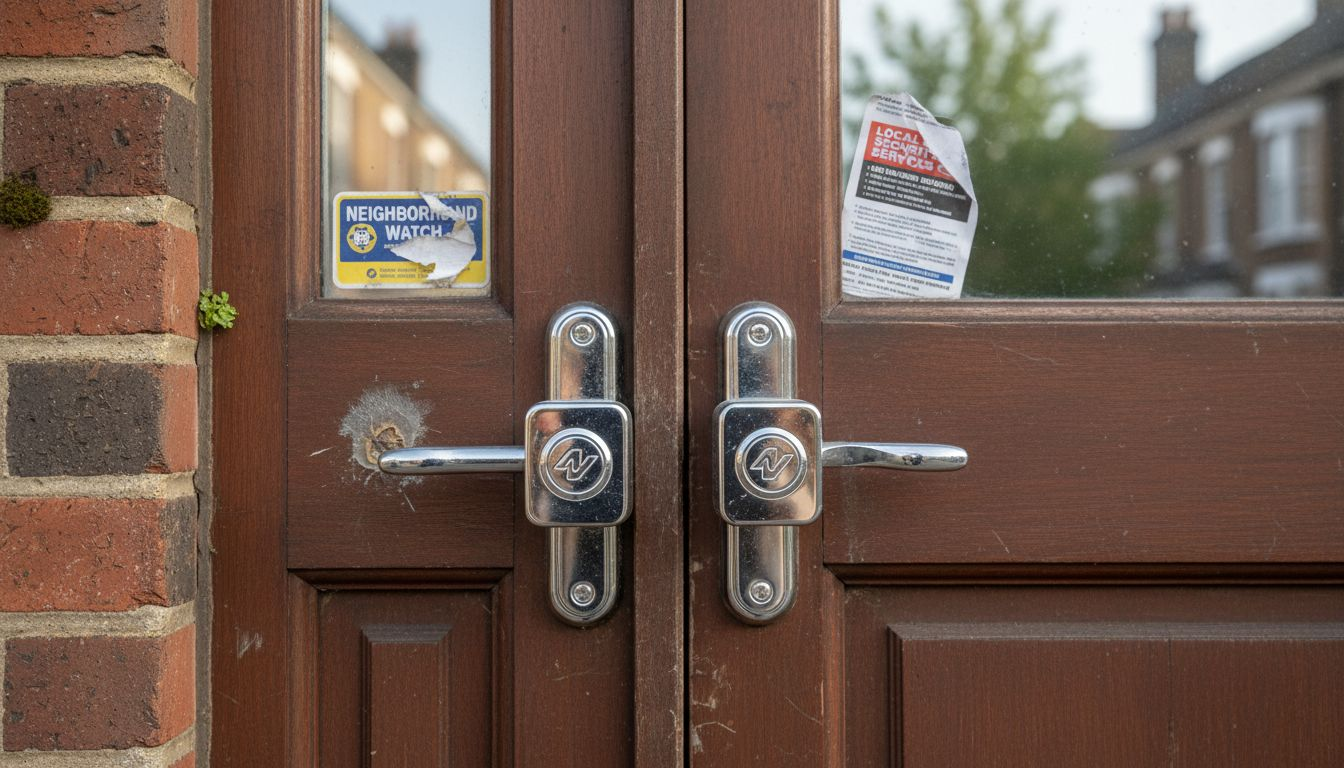
- Visible alarm systems: Visible alarm system signs deter 83% of burglars who actively avoid homes with external sirens. External sirens provide rapid auditory deterrence and alert neighbours, creating immediate response pressure.
- Motion-activated lighting: Motion-activated lighting reduces burglaries by eliminating dark hiding spots and reducing false alerts by up to 50%. Modern sensors distinguish between animals and humans, cutting nuisance activations.
- Security signage: Yard signs and window stickers reinforce alarm presence even when systems are off. Burglars rarely verify whether systems are active, treating all warnings seriously.
- CCTV cameras: Position cameras with clear coverage of entry points and integrate with remote monitoring. Visible cameras deter attempts, while footage aids police investigations if break-ins occur.
- Smart home integration: Technology and locks integration enables remote monitoring and automated responses. Pair smart locks with cameras and lighting for layered protection.
Balance technology costs against your property’s specific vulnerabilities. A well-placed motion light often delivers better deterrence than an expensive but poorly positioned camera. Combining lock compliance and alarm systems creates the most effective barrier.
Securing outbuildings and property perimeter
Sheds, garages, and perimeter fencing often receive less attention but provide burglars with tools and concealment. Securing these areas prevents break-ins before they reach your home.
- Strong padlocks and multi-lock systems: Sheds and garages often contain burglar tools; securing them with padlocks and CCTV reduces break-ins. Use closed-shackle padlocks rated to Sold Secure standards. Check lock compliance for outbuildings to match main property security levels.
- CCTV coverage: Extend camera systems to outbuildings. Integrate feeds with main home monitoring so you receive alerts for any perimeter activity.
- Tool security: Ladders, crowbars, and garden tools left accessible become burglar aids. Store all tools inside locked outbuildings or anchor them with chains.
- Clear sightlines and maintained perimeter: Trim hedges below window height and secure gates with quality locks. Overgrown gardens provide concealment, while clear perimeters expose intruders to neighbours and passersby.
- Regular inspections: Check outbuilding locks and hinges monthly. Rust, loose screws, or worn components weaken security over time. Explore outbuilding lock upgrades for property-wide improvements.
Burglars often test outbuildings first, gauging overall security before attempting main entries. Strong perimeter defences signal comprehensive protection, encouraging them to move on.
Seasonal and behavioural security measures
Your habits and timing choices influence burglary risk as much as physical security. High-risk periods demand heightened awareness and proactive measures.
- Understand seasonal patterns: Burglary rates spike notably during summer and winter holidays with homeowners away. Plan seasonal burglary trends in Bristol upgrades ahead of these periods.
- Avoid social media oversharing: Posting travel plans on social media increases burglary risk by alerting thieves to unoccupied homes. Wait until after returning to share holiday photos.
- Simulate occupancy: Use timed or motion-activated lighting and radios to create the illusion someone is home. Vary timing patterns to avoid predictability.
- Lock everything, always: Lock all windows and doors, even during brief absences or overnight. Most break-ins exploit unlocked entry points requiring zero skill.
- Coordinate with neighbours: Inform trusted neighbours of travel dates. They can collect mail, adjust bin positions, and report suspicious activity.
Pro Tip: Cancel regular deliveries or redirect them to a neighbour during extended absences. Piled newspapers or packages signal empty homes clearly.
Behavioural security costs nothing but delivers significant risk reduction. Combining vigilance with physical and technology barriers creates comprehensive protection. Visit home safety behavioural tips for additional strategies.
Summary comparison of security options
Comparing security measures by cost, effectiveness, and implementation helps you prioritise investments for maximum impact.
| Security measure | Typical cost | Effectiveness | Ease of implementation | Notes |
|---|---|---|---|---|
| Basic door lock | £20-£50 | Low | Easy | Often non-compliant, minimal burglar resistance |
| BS3621 mortice deadlock | £80-£150 | High | Moderate | Insurance-approved, requires professional fitting |
| Multi-point locking system | £150-£400 | Very high | Moderate | Essential for UPVC/composite doors, PAS 24 certified |
| Visible alarm system | £200-£600 | Very high | Moderate | 83% deterrence rate, requires annual monitoring |
| Motion-activated lighting | £30-£120 | High | Easy | Reduces false alarms, effective perimeter deterrent |
| CCTV system | £150-£800 | High | Moderate to difficult | Remote monitoring adds value, positioning critical |
| Window locks | £15-£40 per window | Moderate | Easy | Often overlooked, insurance requirement |
| Outbuilding padlocks | £20-£60 | Moderate | Easy | Prevents tool theft aiding break-ins |
| Behavioural measures | Free | Moderate to high | Easy | Social media awareness, occupancy simulation |
Balance your budget across categories rather than overinvesting in one area. A £200 alarm without compliant locks leaves vulnerabilities burglars will exploit.
Situational picks: choosing the right security measures for your home
Tailor security investments to your property type, location, and lifestyle for optimal protection in Bristol and South Gloucestershire.
- Best overall upgrade: Install BS3621 certified multi-point locking systems on all external doors. This single improvement satisfies insurance requirements and provides proven burglary resistance. Explore best locks for Bristol homes for property-specific recommendations.
- Homes with French or patio doors: Fit anti-lift blocks and multi-lock systems immediately. These entry points rank among the easiest break-in targets without specialised protection.
- Properties with sheds or garages: Secure outbuildings with high-quality padlocks and extend CCTV coverage. Preventing tool theft eliminates resources burglars use for forced entry.
- Frequent travellers: Avoid publicising absences on social media. Use timed lighting, inform neighbours, and consider smart locks with remote monitoring for real-time alerts.
- Budget-conscious upgrades: Start with certified deadlocks on main doors, add window locks, and install motion-activated lighting. These foundational measures deliver strong deterrence at reasonable cost.
Local burglary tactics evolve, making professional security consultations valuable. Understanding effective security measures in Bristol ensures your investments match current threats.
Protect your home with expert locksmith services in Bristol and South Gloucestershire
Implementing security upgrades correctly requires professional expertise. AHLP Locksmiths provides comprehensive trusted locksmith services across Bristol, South Gloucestershire, and Gloucester, ensuring every lock meets British Standards and insurance requirements. Whether you need emergency lockout assistance, lock replacements, or full security consultations, our experienced team delivers reliable solutions with transparent pricing and no call-out fees. Review our detailed lock replacement guide 2026 to plan effective upgrades, or contact us directly to discuss property-specific security upgrades in Bristol. Call 07700 100146 or visit ahlp.co.uk for fast, professional service protecting what matters most.
Frequently asked questions
How often should I upgrade my home locks to maintain security?
Evaluate locks every five to seven years or immediately after any security breach, lost keys, or home purchase. Lock technology and burglar techniques evolve constantly, making periodic upgrades essential for maintaining optimal protection and insurance compliance. Consult our lock replacement guide for detailed upgrade timelines.
Are motion-activated lights effective in deterring burglars?
Yes, motion-activated lighting reduces burglaries by eliminating dark hiding spots and reduces false alerts. Modern sensors distinguish between animals and humans, cutting false alarms by up to 50%. Position lights to cover entry points and pathways where burglars might approach undetected.
What behaviour changes can reduce my home’s burglary risk?
Never announce vacations or long absences on social media, as posting travel plans increases burglary risk from targeted thieves. Always lock doors and windows, even during brief absences or overnight. Use timed lighting and radios to simulate occupancy, and coordinate with trusted neighbours to monitor your property during extended trips.