
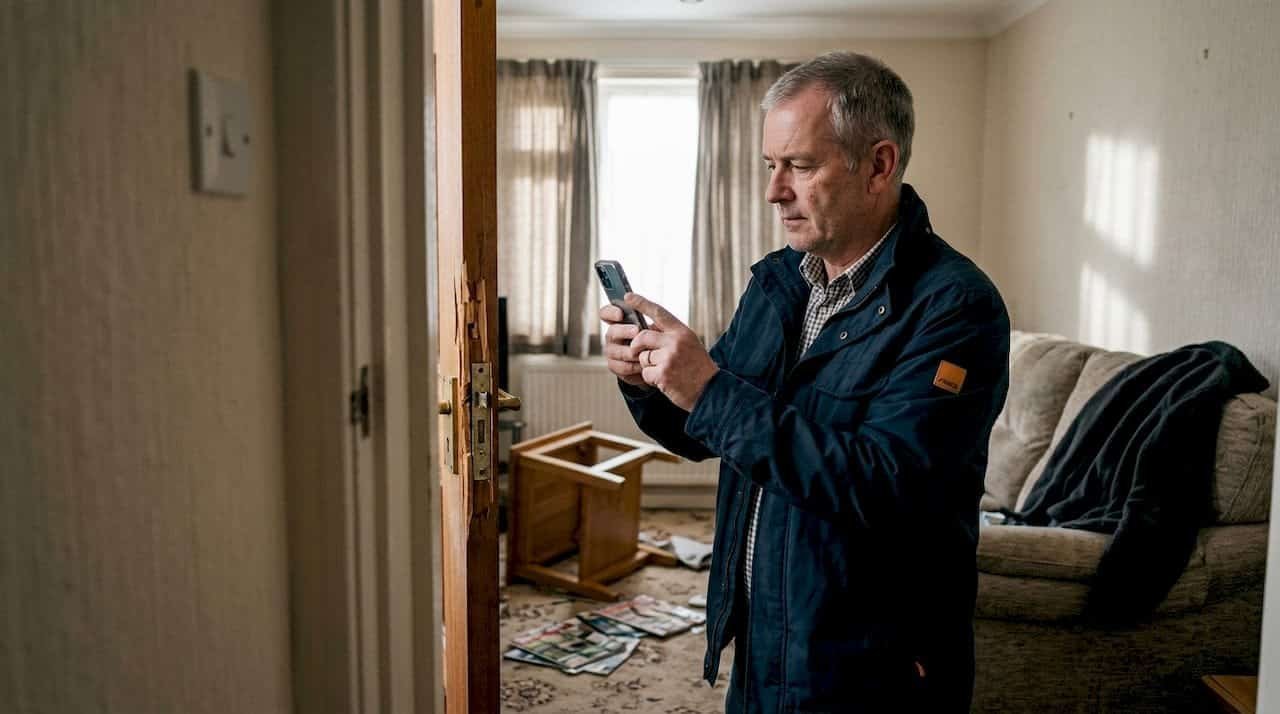
A burglary turns your world upside down in minutes. Beyond the stolen items, you’re left with damaged doors, broken locks, and a property that no longer feels safe. For homeowners and business owners in Bristol and South Gloucestershire, knowing exactly what to do next is the difference between a swift recovery and weeks of uncertainty. This guide walks you through every stage of the burglary repair process, from your immediate response to permanent security upgrades, so you can restore both your property and your peace of mind as quickly as possible.
Table of Contents
- Initial response: Safety first and alerting authorities
- Securing your property: Emergency measures and temporary fixes
- Insurance and documentation: Laying the groundwork for claims
- Permanent repairs and essential security upgrades
- Common pitfalls, edge cases and local expert help
- A local expert’s perspective: What most guides miss about burglary repair
- Connect with vetted locksmiths and upgrade your security
- Frequently asked questions
Key Takeaways
| Point | Details |
|---|---|
| Prioritise safety | Ensure everyone is safe and the police have been contacted before touching anything. |
| Secure temporarily and document | Board up, change locks, and thoroughly record all damages for your insurer. |
| File insurance and upgrade | Complete your claim with strong documentation, then upgrade to compliant locks for lasting security. |
| Use trusted local experts | Avoid rogue traders and choose reputable, vetted locksmiths for all burglary repairs and upgrades. |
Initial Response: Safety First and Alerting Authorities
The moments after discovering a burglary are disorienting, but acting calmly and in the right order makes a real difference. Your first priority is always personal safety. If you suspect the intruder may still be on the premises, do not enter. Move to a safe location and call 999 immediately.
Once you’re certain the property is clear, follow these steps:
- Call the police. Contact police immediately using 999 if the burglary is in progress, or 101 for a non-emergency report. Either way, you’ll receive a crime reference number, which is essential for any insurance claim.
- Preserve the scene. Avoid touching anything until officers have attended. Moving items, even to tidy up, can destroy fingerprints and other evidence.
- Photograph everything. Once the police give you the go-ahead, document all damage and points of entry with clear photos. Note every item that appears missing.
- Record your losses. Write down detailed descriptions of stolen or damaged property, including approximate values where possible.
- Notify your insurer. Contact your insurance provider as soon as you’ve spoken to the police. Most policies require prompt notification.
Getting your crime reference number right away is non-negotiable. Without it, most insurers will not process your claim, no matter how thorough your other documentation is.
Understanding burglary repairs explained from the outset helps you approach each stage with clarity rather than panic. If you’re unsure about any immediate DIY burglary repair steps, it’s worth reading up before you act, as poorly executed temporary fixes can sometimes complicate your claim.
Pro Tip: Take a short video walkthrough of the affected areas before anything is moved or cleaned. Video captures context that still photographs can miss, and insurers often find it useful.
Securing Your Property: Emergency Measures and Temporary Fixes
Once you’ve notified the authorities and documented the scene, the next step is to make the premises safe. A broken door or smashed window leaves your property exposed to further theft, weather damage, and liability risks. Acting quickly here protects both your belongings and your insurance position.
Your main options for immediate securing include:
- Emergency locksmith callout: A vetted local emergency locksmith can attend within 30 minutes in most parts of Bristol and South Gloucestershire, fitting temporary or permanent locks on the spot.
- Boarding-up services: For badly damaged doors or large broken windows, boarding up provides a secure barrier until permanent burglary repairs are made.
- Insurance-approved temporary locks: Some insurers specify the type of temporary hardware they’ll cover. Check before fitting anything.
Here’s a quick comparison of your emergency securing options:
| Option | Response time | Typical cost | Insurance approved |
|---|---|---|---|
| Emergency locksmith | Under 30 minutes | £80 to £150 | Usually yes |
| Boarding-up service | 1 to 3 hours | £100 to £300 | Often yes |
| DIY temporary fix | Immediate | Low | Varies |
Most insurers will approve emergency securing measures before a formal assessment, provided you keep receipts and notify them promptly. According to emergency repair FAQs, local Bristol and South Gloucestershire locksmiths offer 30-minute emergency response with no call-out fees and security audits included.
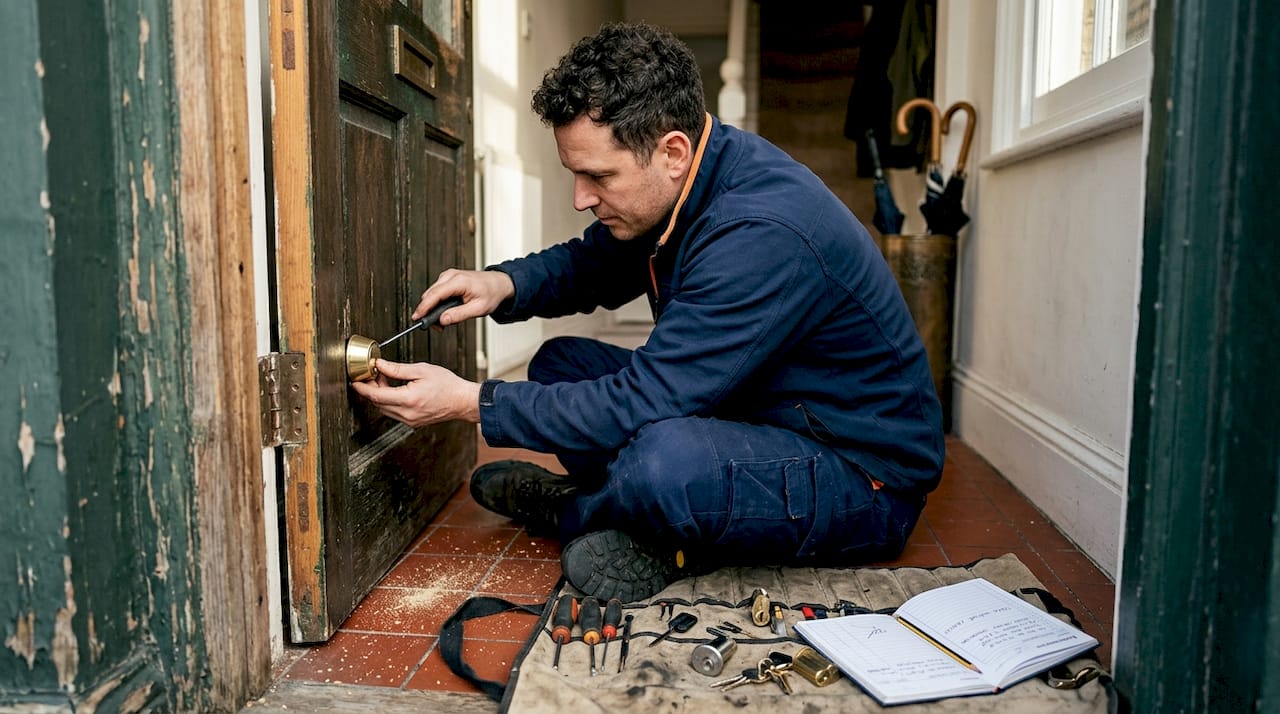
Be cautious of unsolicited burglary repair offers. Rogue traders sometimes target properties shortly after a break-in, offering cheap fixes that are substandard or overpriced. Always use a firm you can verify. Our locksmith services guide explains what to look for, and our emergency locksmith checklist gives you ten key questions to ask before anyone starts work.
Pro Tip: Save the number of a trusted local locksmith in your phone now, before you ever need one. In an emergency, the last thing you want is to be searching online under pressure.
Insurance and Documentation: Laying the Groundwork for Claims
With your property temporarily secured, it’s vital to lay a solid foundation for recovering losses through your insurance. Many claims run into problems not because the damage isn’t covered, but because the documentation is incomplete.
Start by understanding what each type of cover applies to:
| Type of insurance | What it covers |
|---|---|
| Buildings insurance | Structural damage: doors, frames, windows, locks |
| Contents insurance | Stolen or damaged possessions inside the property |
| Combined policy | Both of the above under one claim |
Follow these steps to build a strong claim:
- Gather your photos and video from the scene documentation you completed earlier.
- List all damaged or stolen items with descriptions, estimated values, and purchase dates where possible.
- Locate receipts or bank statements to support the value of stolen items.
- Attach your crime reference number to all correspondence with your insurer.
- Keep records of all emergency burglary repairs, including invoices and receipts from your locksmith or boarding-up service.
As confirmed in insurance coverage FAQs, buildings insurance covers structural damage such as doors and windows, while contents insurance handles stolen items. Emergency boarding and locking is often approved immediately, with permanent burglary repairs authorised after an assessor’s visit.
If you rent your property, notify your landlord straight away. Structural burglary repairs are typically their legal responsibility, though you may still need to claim for your own contents. For leasehold flats, the freeholder or managing agent usually handles claims for shared areas such as communal entrance doors. The insurance claim process for these situations has specific steps worth understanding before you proceed.
Permanent Burglary Repairs and Essential Security Upgrades
Once you’ve started your insurance claim, focus shifts to restoring long-term security and bringing your property back to standard. Temporary fixes are exactly that: temporary. Permanent burglary repairs need to meet both building standards and your insurer’s requirements.
Here’s a practical sequence to follow:
- Wait for your insurer’s assessor before committing to permanent burglary repairs, unless your property remains at immediate risk.
- Replace damaged doors and frames using materials that match or exceed the original specification.
- Upgrade your locks to meet British Standard BS3621. Many insurers require this as a condition of ongoing cover, particularly after a claim. BS3621 lock upgrades provide anti-snap and anti-drill protection, which are the two most common methods used in forced entry.
- Fit window locks on all accessible windows if they aren’t already present.
- Consider additional deterrents such as a monitored alarm system or CCTV cameras.
Upgrading to insurance-compliant security does more than satisfy your insurer. It actively reduces your risk of being targeted again. Research consistently shows that visible security upgrades deter opportunistic burglars.
Some useful upgrades to consider beyond the basics:
- Anti-snap Euro cylinder locks on UPVC and composite doors
- Door reinforcement plates and hinge bolts
- Smart doorbells with motion detection
- External sensor lighting
Understanding the full range of home lock types helps you make informed choices rather than simply replacing like for like. A professional locksmith can advise on the most appropriate options for your specific door and frame type.
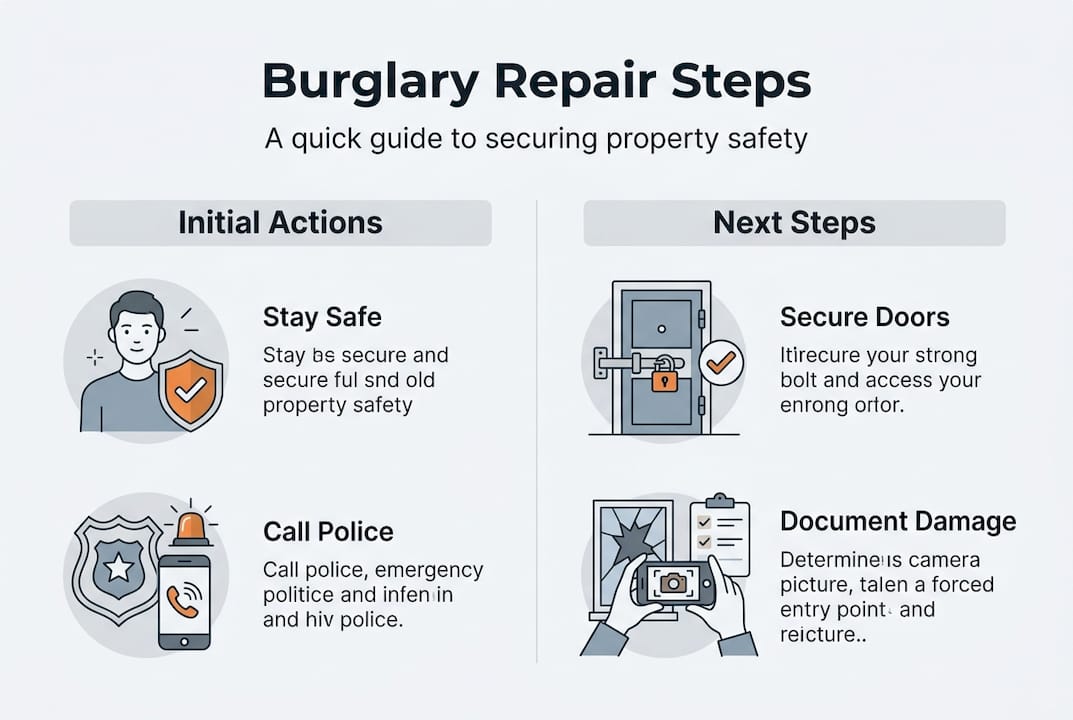
Pro Tip: Ask your locksmith to provide written confirmation of the lock standards fitted. This documentation is valuable both for your insurer and for any future property sale.
Common Pitfalls, Edge Cases and Local Expert Help
Having covered the techniques and compliance details, it’s important to avoid hidden traps and ensure you get the help you need. Even well-intentioned homeowners make mistakes in the aftermath of a break-in, and some of those mistakes can be costly.
The most common errors we see include:
- Carrying out DIY burglary repairs without insurer approval, which can invalidate your claim entirely
- Failing to photograph damage before cleaning up, leaving you without evidence to support your claim
- Using unverified tradespeople who may do substandard work or charge inflated prices
- Delaying notification to your insurer, which some policies treat as a breach of terms
- Tenants not informing their landlord, which can create disputes over responsibility and delay repairs
After a burglary, rogue traders target vulnerable properties with unsolicited offers. Always use vetted local firms, and if you rent, notify your landlord immediately as repairs are their legal responsibility.
For tenants, it’s worth knowing that your landlord has a legal duty to maintain the security of the property. If they fail to act promptly, you may have grounds to escalate through your local council or seek independent legal advice.
When finding reliable locksmiths in Bristol and South Gloucestershire, look for firms that are DBS-checked, carry public liability insurance, and can provide references or verified reviews. If you’re unsure where to start, our local locksmith search tool helps you identify trusted professionals in your area quickly.
A Local Expert’s Perspective: What Most Guides Miss About Burglary Repair
Most articles focus entirely on the practical checklist, and that’s useful. But in our experience working with homeowners and businesses across Bristol and South Gloucestershire, the biggest obstacle to a smooth recovery isn’t knowing the steps. It’s the emotional pressure that leads people to rush.
After a burglary, the instinct is to fix everything immediately and move on. That urgency is completely understandable. But rushed decisions, like hiring the first tradesperson who knocks on your door or skipping the insurer consultation, often create bigger problems down the line.
Following a structured process actually restores your sense of control faster than cutting corners does. The properties we see recover best are those where owners took a breath, documented carefully, and invested in meaningful security upgrades rather than just patching the damage. Insurance compliance and local standards matter as much as the physical repairs themselves. Working with a reputable local expert, rather than a generic online service, means you get advice tailored to your specific property, your insurer’s requirements, and the realities of your neighbourhood.
Connect With Vetted Locksmiths and Upgrade Your Security
If you need support putting these steps into practice, our team at AHLP Locksmiths is ready to help. We provide fast emergency response across Bristol and South Gloucestershire, with no call-out fees and transparent pricing from the start. Our trusted locksmith services cover everything from emergency securing to full security upgrades that meet British Standard and insurer specifications. Whether you need a same-day callout or a planned security assessment, you can explore our full range through our locksmith services guide or get in touch directly via our contact page. Call us on 07700 100146 and we’ll make sure your property is properly protected.
Frequently Asked Questions
What should I do first after a burglary?
Prioritise your safety, then call the police using 999 or 101 to obtain a crime reference number. Avoid touching anything until officers have attended, as preserving the scene supports both the investigation and your insurance claim.
Which repairs does home insurance cover after a break-in?
Buildings insurance typically covers structural damage such as doors, frames, and windows, while contents insurance covers stolen possessions. As confirmed in insurance coverage FAQs, emergency securing is usually approved immediately, with permanent repairs authorised after an assessor’s visit.
Do I need to upgrade my locks after a burglary for insurance?
Many insurers require BS3621 lock upgrades as a condition of ongoing cover following a burglary claim. These anti-snap, anti-drill locks provide significantly stronger protection and can also reduce your future premiums.
How quickly can emergency repairs be carried out in Bristol?
Local locksmiths offering 30-minute emergency response are available across Bristol and South Gloucestershire, with no call-out fees. This means your property can be secured quickly, limiting further risk or damage.
What if I am a tenant rather than the property owner?
Notify your landlord immediately, as structural repairs including locks and doors are their legal responsibility. You should still document the damage and contact your own contents insurer for any personal possessions that were stolen or damaged.