
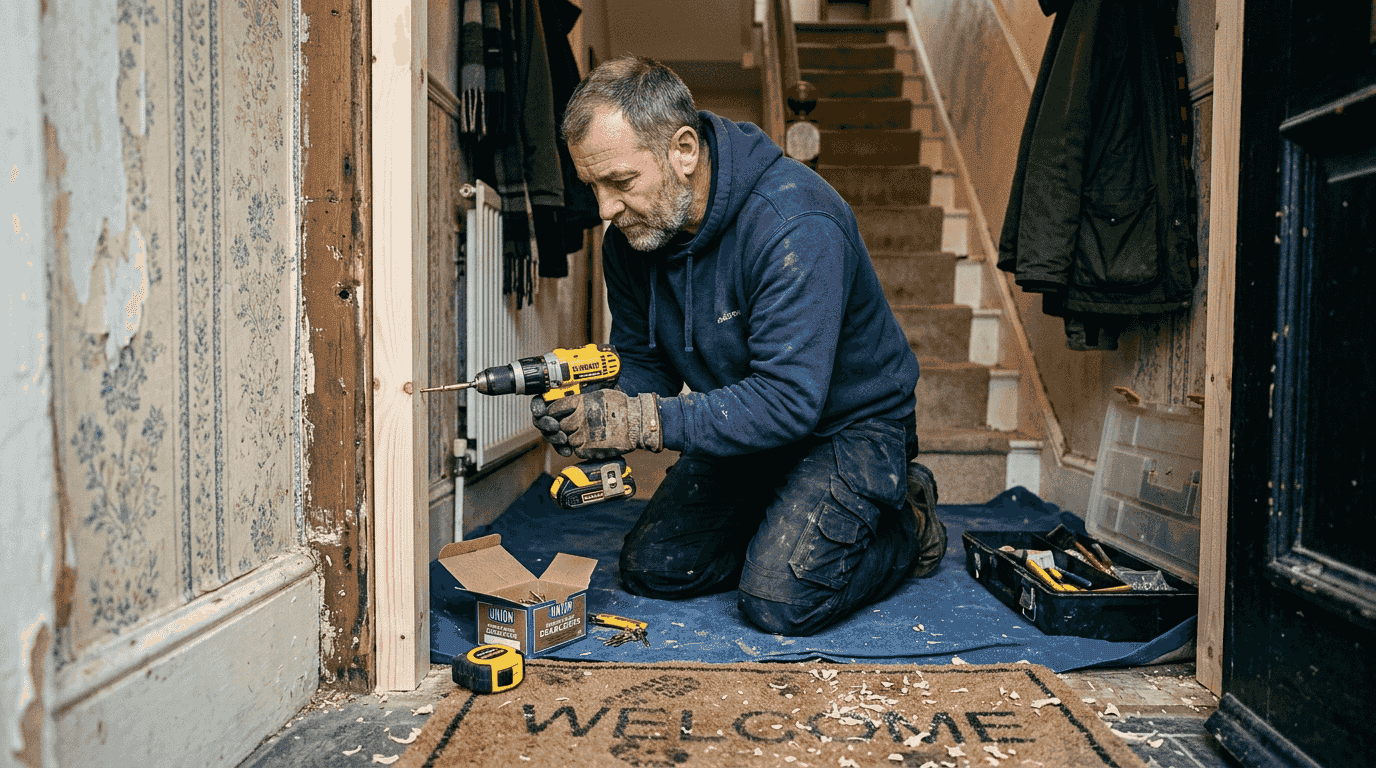
A burglary leaves your home exposed and vulnerable, demanding immediate action to restore security and peace of mind. This guide provides clear, practical DIY burglary repair steps specifically designed for Bristol homeowners who need to respond quickly and effectively after a break in. You’ll learn how to assess damage, choose the right materials, complete essential repairs, and verify your work to ensure your property is protected against future intrusions.
Table of Contents
- Assessing Damage And Planning Your Repair
- Essential Tools And Materials For DIY Burglary Repairs
- Step By Step DIY Burglary Repair Process
- Testing And Verifying Completed Repairs For Ongoing Security
- Professional Locksmith Services To Complement Your DIY Repairs
- Frequently Asked Questions
Key takeaways
| Point | Details |
|---|---|
| Front doors are primary targets | Front doors are commonly targeted due to weak locks or structural vulnerabilities, making them your top repair priority. |
| British Standard locks dramatically improve security | Upgrading to BS3621 or TS007 locks significantly deters burglars and satisfies insurance requirements. |
| Visible deterrents prevent break ins | CCTV cameras, alarm signage, and security lighting create powerful psychological barriers that discourage intruders. |
| Thorough planning prevents repair failures | Assessing all damage points, listing materials, and understanding installation steps ensures effective, lasting repairs. |
| Balance DIY capability with professional support | Know when complex repairs exceed DIY skills to avoid compromising security or invalidating insurance cover. |
Assessing Damage and Planning Your Repair
Before you pick up any tools, conduct a comprehensive damage assessment throughout your property. Start with front doors, which are commonly targeted entry points, then systematically examine back doors, ground floor windows, and any other potential access areas. Look beyond the obvious broken locks or shattered glass to identify hidden vulnerabilities like splintered door frames, compromised hinges, or weakened security zones that intruders may have exploited.
Document every point of damage with photographs and detailed notes. This creates an essential record for insurance claims whilst helping you prioritise repairs based on vulnerability and urgency. Your assessment should capture:
- Broken or damaged locks, cylinders, and strike plates on all doors
- Cracked or shattered window panes and compromised window locks
- Splintered door frames, panels, or architraves requiring reinforcement
- Damaged hinges, handles, or security hardware needing replacement
- Any structural weaknesses that facilitated unauthorised entry
Create a prioritised repair plan that addresses the most vulnerable entry points first. List all materials and tools needed for each specific task to avoid mid repair interruptions. This methodical approach ensures you tackle repairs in logical sequence whilst maintaining focus on restoring security quickly.
Pro Tip: Take measurements of all damaged components before visiting the hardware store. Door lock measurements, frame dimensions, and glass sizes must be precise to ensure proper fit and effective security restoration.
Consult your locksmith checklist for homeowners to understand which repairs fall within DIY capabilities and which situations demand professional expertise. Complex multi point locking systems or severe frame damage often require specialist assessment to ensure compliance with insurance standards.
Essential Tools and Materials for DIY Burglary Repairs
Equipping yourself with quality tools and appropriate materials determines whether your repairs deliver genuine security or merely cosmetic fixes. Professional grade equipment ensures precision installation whilst British Standard approved materials provide insurance compliant protection that actually deters future break ins.
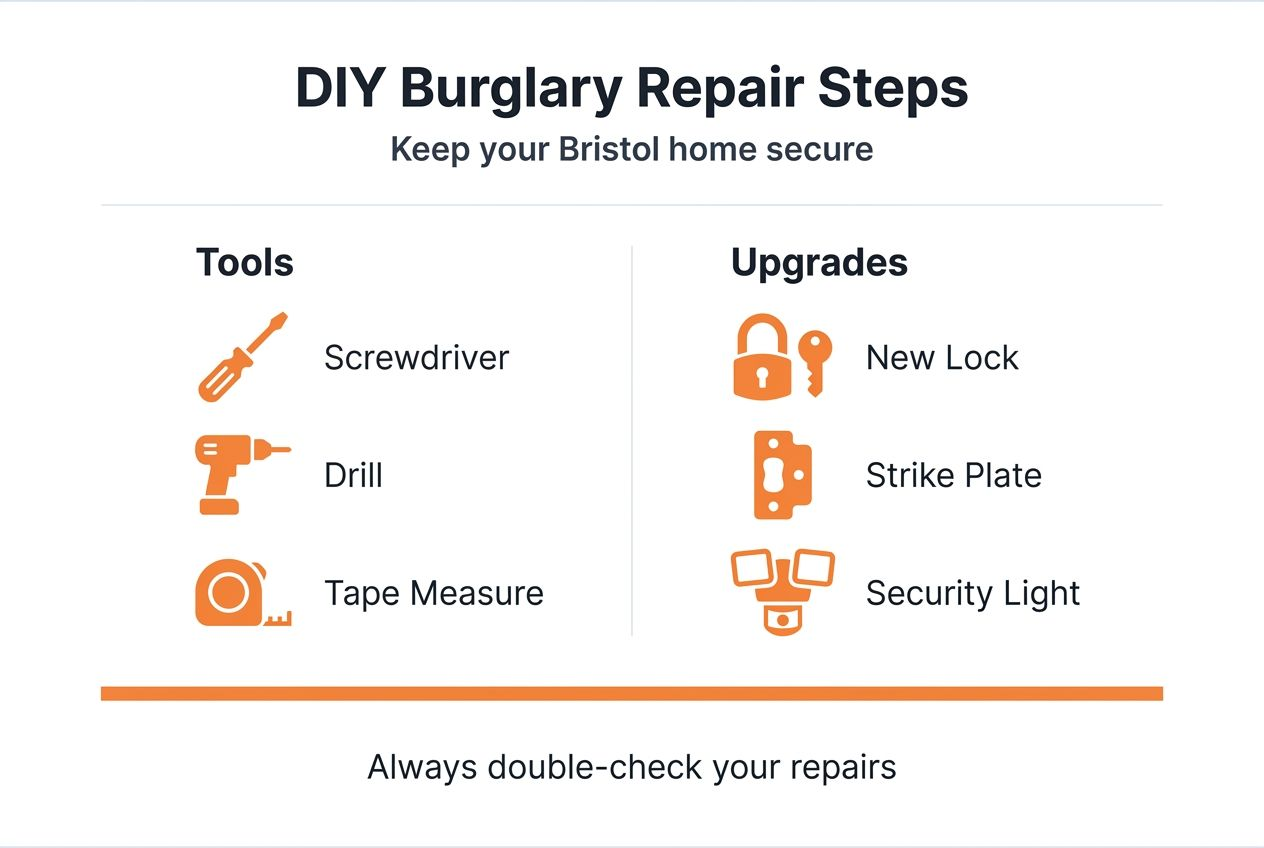
| Tool/Material | Purpose | Quality Standard |
|---|---|---|
| Screwdriver set | Lock and hardware installation | Magnetic tips, multiple sizes |
| Power drill | Frame repair, new lock fitting | Variable speed, 18V minimum |
| Wood chisel set | Hinge and lock mortising | Bevelled edge, carbon steel |
| Spirit level | Alignment verification | 600mm minimum length |
| Tape measure | Precise component measurements | 5 metre, locking blade |
| British Standard locks | Primary security upgrade | BS3621 or TS007 certified |
| Security screws | Hinge and lock protection | One way or clutch head |
| Wood filler | Frame damage repair | Exterior grade, paintable |
| Reinforcement plates | Strike plate strengthening | 3mm steel minimum |
Your material selection directly impacts security effectiveness. Upgrading to British Standard locks meeting BS3621 or TS007 specifications provides measurable burglary deterrence whilst satisfying insurance requirements that may otherwise void your cover. Avoid budget alternatives that compromise on cylinder strength, bolt throw distance, or anti drill features.
Consider these optional but highly effective security enhancements:
- Motion activated security lighting for vulnerable approach zones
- Wireless alarm systems with visible external sounders
- CCTV cameras covering all entry points
- Window security film for glass reinforcement
- Door security chains and viewers for controlled access
Pro Tip: Check your entire tool kit before starting repairs to identify missing items or worn components. A stripped screwdriver or dull chisel can ruin precision work and compromise lock alignment, creating security weaknesses that undermine your entire effort.
Review why upgrade door security to understand how material choices affect long term protection and insurance compliance.
Step by Step DIY Burglary Repair Process
Executing repairs systematically ensures each component functions correctly whilst maintaining structural integrity. Follow this proven sequence to restore security effectively without creating new vulnerabilities through rushed or incomplete work.
Remove damaged components carefully: Extract broken locks, damaged handles, and compromised hardware without causing additional frame damage. Photograph existing installations before removal to guide replacement positioning. Clean all mortises and recesses thoroughly to ensure new components seat properly.
Repair and reinforce door frames: Fill splintered wood with exterior grade filler, then sand smooth when cured. Install reinforcement plates on strike areas to distribute force across wider frame sections. Replace severely damaged sections rather than attempting cosmetic repairs that lack structural strength.
Install British Standard locksets precisely: Position new locks according to manufacturer specifications, ensuring proper alignment between cylinder, bolt, and strike plate. Verify smooth operation through multiple test cycles before final tightening. Poor alignment creates weak points that compromise security despite using quality hardware.
Secure windows with upgraded locks: Replace broken window locks with multi point locking mechanisms or key operated systems. Repair or replace damaged glass using safety rated materials. Apply security film to vulnerable panes for added break resistance.
Add visible security deterrents: Install alarm system signage, position CCTV cameras covering approach zones, and mount motion activated lighting at strategic points. These psychological barriers significantly reduce targeting likelihood by increasing perceived risk for potential intruders.
Avoid these common mistakes that undermine repair effectiveness:
- Misaligning lock components, creating operational friction or weak bolt engagement
- Using incorrect screw lengths that fail to anchor properly in solid timber
- Neglecting to test all functions multiple times before considering work complete
- Creating blind spots in security coverage through poor camera or lighting placement
- Rushing installation without verifying measurements or following manufacturer instructions
Pro Tip: Map your property’s security coverage zones on paper before installing cameras or lighting. This visual planning identifies gaps where intruders could approach undetected, allowing you to adjust positioning for comprehensive protection without expensive repositioning later.
Consult why upgrade door locks in Bristol for specific guidance on lock selection and installation techniques appropriate for various door types common in Bristol properties.
Testing and Verifying Completed Repairs for Ongoing Security
Completing installation represents only half the security equation. Rigorous testing and verification confirm your repairs deliver genuine protection rather than false confidence that leaves vulnerabilities undetected until the next intrusion attempt.
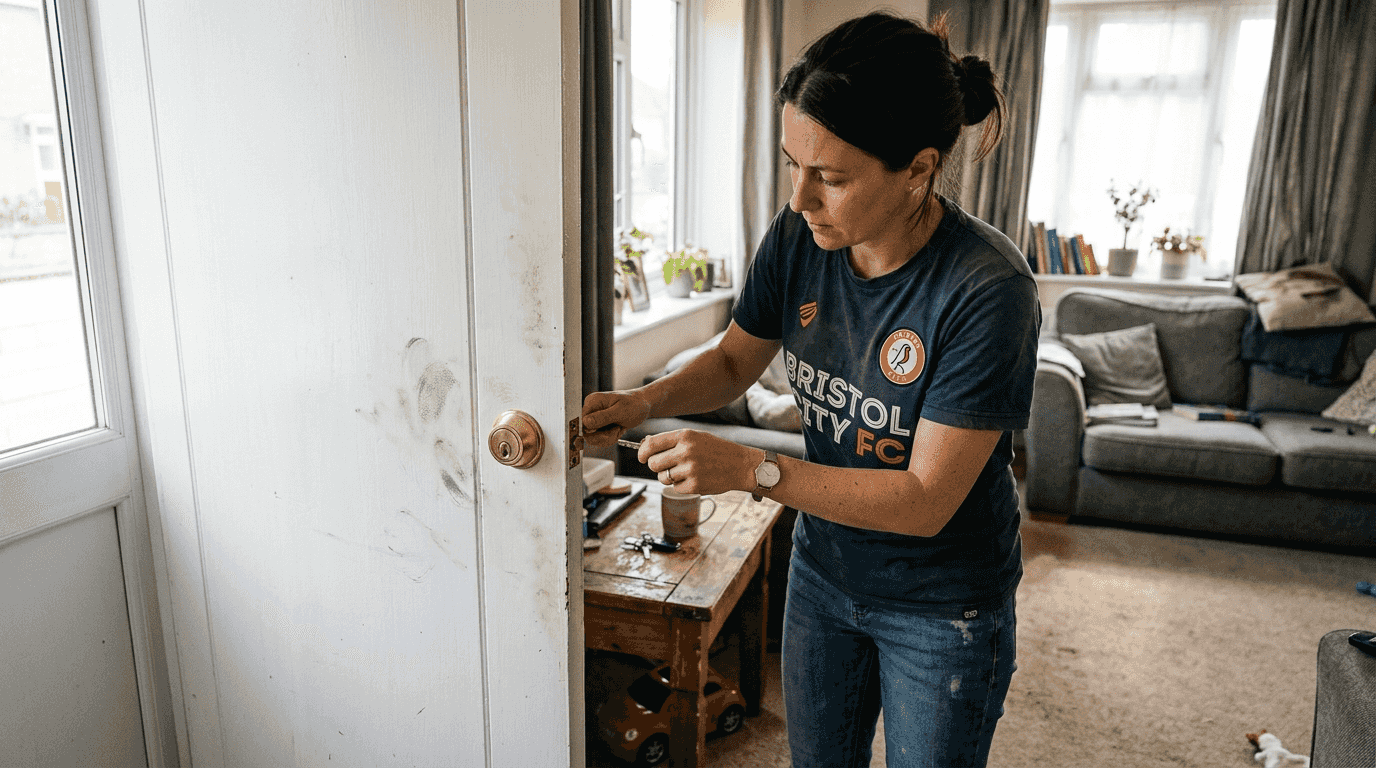
Conduct systematic visual inspections of every repaired area. Examine lock installations for flush mounting, proper alignment, and secure fastening without gaps between components and door surfaces. Check frame repairs for solid bonding, smooth finishes, and structural integrity that withstands firm pressure testing. Any movement, flexing, or gaps indicate incomplete repairs requiring immediate attention.
Test all locks through multiple operation cycles:
- Insert and turn keys smoothly without resistance or binding
- Engage and disengage bolts completely with positive feedback
- Verify strike plates capture bolts centrally with full throw distance
- Confirm multi point systems engage all locking points simultaneously
- Check emergency release mechanisms operate correctly from inside
Verify alarm and CCTV systems function as designed. Test motion sensors by walking approach paths at various speeds and angles. Review camera footage to confirm clear visibility across all monitored zones without blind spots or obstructions. Ensure alarm sounders activate audibly and external signage displays prominently to maximise deterrent effect.
“Installing a visible home security system, such as CCTV cameras or alarm systems, significantly reduces the likelihood of a burglary by creating perceived risk that outweighs potential rewards for opportunistic intruders.”
Establish a maintenance schedule for ongoing vigilance. Monthly inspections catch early signs of wear, tampering, or component degradation before they compromise security. Seasonal adjustments account for thermal expansion affecting door alignment and lock operation. Annual professional assessments identify vulnerabilities that emerge over time through normal use.
Explore how security upgrades reduce burglary risk through properly maintained, professionally verified installations that insurance companies recognise as effective risk mitigation.
Professional Locksmith Services to Complement Your DIY Repairs
Whilst DIY repairs effectively address many post burglary security needs, certain situations demand professional expertise to ensure compliance, effectiveness, and insurance validity. Qualified locksmiths bring specialist knowledge of complex locking mechanisms, building regulations, and insurance standards that protect your investment and peace of mind.
Professional assessment identifies hidden vulnerabilities that untrained eyes miss. Experienced locksmiths evaluate structural weaknesses, recommend appropriate security upgrades, and install systems meeting stringent British Standards without trial and error risk. This expertise proves invaluable for multi point locking systems, commercial grade hardware, or properties with unique architectural features requiring customised solutions.
AHLP Locksmiths provides comprehensive locksmith services across Bristol, South Gloucestershire, and Gloucester, supporting homeowners with emergency callouts, insurance approved installations, and security consultations. Our local, family run approach prioritises your safety through transparent pricing, rapid response times, and meticulous workmanship using quality British Standard hardware.
Whether you need expert guidance on complex repairs, professional verification of DIY work, or emergency assistance securing your property immediately after a break in, our experienced team complements your efforts with specialist support. Review our ultimate guide to locksmith services and essential locksmith checklist to understand how professional expertise enhances DIY initiatives for comprehensive home security.
Frequently Asked Questions
What are the first steps after a burglary?
Secure all entry points temporarily using boards, temporary locks, or barriers to prevent further intrusion whilst preserving evidence for police investigation. Contact police immediately to report the crime and obtain a crime reference number essential for insurance claims. Avoid touching damaged areas unnecessarily until police complete their assessment, then photograph all damage comprehensively before beginning repair work.
Can I install British Standard locks myself?
Experienced DIYers can successfully install BS3621 or TS007 locks by carefully following manufacturer instructions and ensuring precise alignment of all components. Correct fitting is absolutely crucial because even quality locks become ineffective when poorly installed, potentially voiding insurance cover and leaving your property vulnerable. Complex door types, multi point locking systems, or severe frame damage typically require professional locksmith expertise to guarantee security and compliance. Improper installation compromises both physical security and insurance validity, making professional verification worthwhile for high value properties or complicated mechanisms.
How can I avoid common DIY home security mistakes?
Insufficient planning creates gaps that intruders exploit, so map coverage zones carefully before installing cameras or sensors to eliminate blind spots. Use only quality materials meeting British security standards rather than budget alternatives that fail under real world attack. Follow installation guidelines precisely, paying particular attention to mounting heights, angles, and secure fastening that withstands tampering attempts. Test all systems thoroughly after installation and establish regular maintenance schedules to catch degradation early. Consult burglary repairs guidance for comprehensive planning frameworks that prevent costly mistakes.
How long do DIY burglary repairs typically take?
Basic repairs like single lock replacement or minor frame damage take 2 to 4 hours for experienced DIYers with proper tools and materials ready. Comprehensive security upgrades involving multiple locks, frame reinforcement, and alarm installation require 1 to 2 full days depending on property size and damage extent. Complex repairs involving structural damage, multi point locking systems, or CCTV installation may extend to 3 days or more. Always allocate extra time for unforeseen complications, material trips, and thorough testing rather than rushing work that compromises security effectiveness.
When should I call a professional locksmith instead of DIY?
Contact professional locksmiths immediately for insurance approved installations, complex multi point locking mechanisms, or severe structural damage exceeding basic repair skills. Situations involving high security cylinders, master key systems, or commercial grade hardware require specialist knowledge and certification that DIY attempts cannot replicate. Emergency scenarios demanding immediate security restoration, especially during evenings or weekends, benefit from professional rapid response services. If you feel uncertain about any repair aspect or question whether your work meets insurance standards, professional assessment provides peace of mind worth the investment.
Do DIY repairs affect my home insurance cover?
Improper DIY repairs can void insurance cover if they fail to meet policy requirements for British Standard locks, approved installation methods, or structural integrity standards. Always verify your insurance policy specifies accepted lock standards and installation requirements before beginning work. Document all repairs with photographs, receipts for British Standard approved materials, and detailed descriptions of work completed. Consider professional verification of DIY installations to obtain certification that satisfies insurance requirements whilst maintaining cost savings from self installation. Contact your insurer before starting major security modifications to confirm compliance requirements and avoid coverage disputes after future claims.
Recommended
- Burglary Repair: Restoring Safety in Bristol Homes
- Burglary Repairs: Safeguarding Bristol Homes After Break-In
- 7 Essential Locksmith Tips for Homeowners in Bristol
- Burglary Repairs Explained: Restoring Home Security Fast