
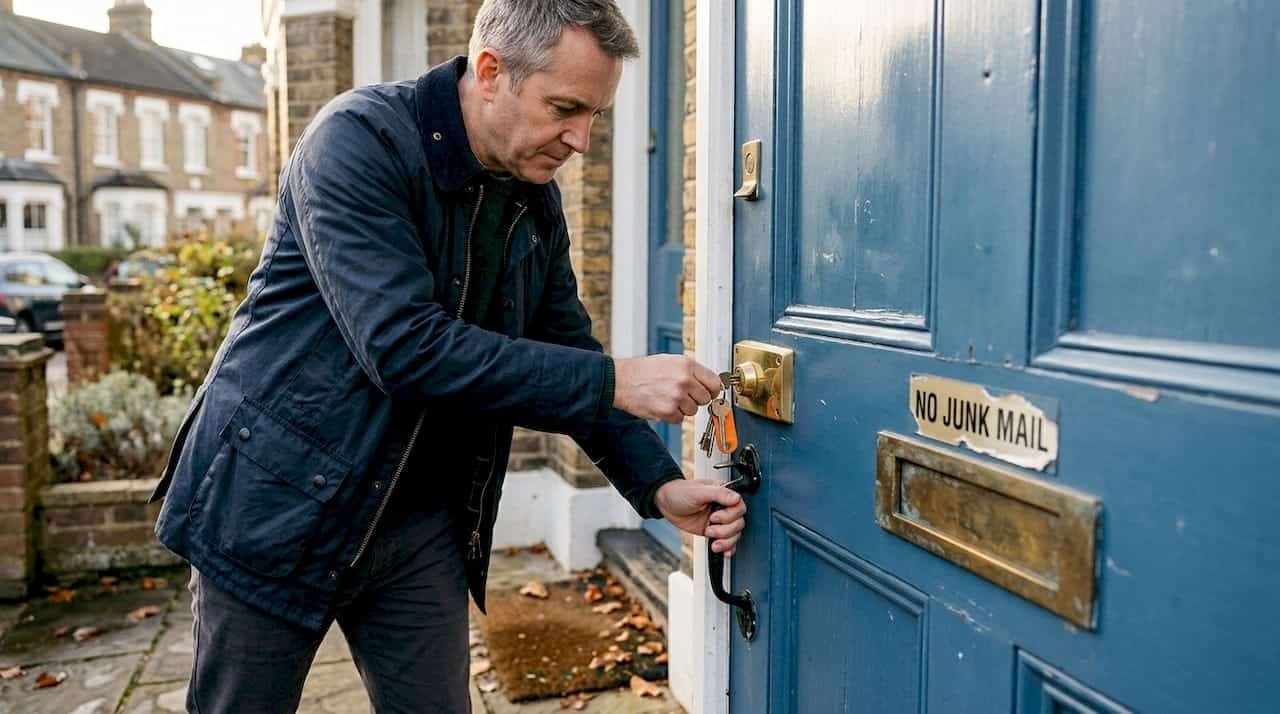
The lock on your front door is your first line of defence against intruders. Choose the wrong one, and you could be leaving your home or business exposed without even realising it. Worse still, fitting a subpar lock can invalidate your insurance policy entirely. Security upgrades reduce burglary risk by as much as 50%, and much of that protection starts with choosing the right standard. In this article, we explain exactly what British Standard locks are, why they matter, and how upgrading can protect your property, your family, and your finances.
Table of Contents
- What makes a lock ‘British Standard’?
- Five core advantages of British Standard locks
- Comparing British Standard vs non-standard locks
- When and where should you upgrade to British Standard locks?
- British Standard lock upgrades: What to expect and how to choose
- Our take: Why doing it right matters more than ever
- Upgrade your security with expert locksmith services
- Frequently asked questions
Key Takeaways
| Point | Details |
|---|---|
| Insurer-approved security | British Standard locks are required by most insurers for claims and better rates. |
| Proven burglary resistance | BS3621 locks withstand common attack methods much better than standard options. |
| Upgrading is cost-effective | Investing in proper locks can prevent costly incidents and reduce insurance costs. |
| Professional fitting matters | Certified locksmiths ensure correct installation and long-term lock reliability. |
What Makes a Lock ‘British Standard’?
Not all locks are created equal. The term ‘British Standard’ refers to locks that meet the requirements set out in BS3621, a certification issued by the British Standards Institution (BSI). This standard defines the minimum level of performance a lock must achieve in terms of strength, durability, and resistance to attack.
To earn BS3621 certification, a lock must pass a series of rigorous tests. These include resistance to picking, drilling, cutting, and forcible entry. The lock’s components must also meet strict manufacturing tolerances. Only products that pass every test earn the right to carry the certification.
So how do you spot one? The easiest way is to look for the kite mark on the lock’s faceplate. This small symbol, shaped like a kite or shield, confirms the product has been independently tested and certified. You may also see the number BS3621 stamped directly onto the lock body or faceplate.
“Insurance companies and police forces across the UK recognise BS3621 as the benchmark for residential and commercial lock security.”
Here is what a British Standard lock must demonstrate:
- Resistance to picking and manipulation
- Resistance to drilling and cutting attacks
- A minimum bolt throw of 20mm for deadbolts
- Anti-saw protection on the bolt
- A minimum of 1,000 key differs to prevent copying
Understanding lock grades and insurance requirements is essential before you buy or upgrade. Many homeowners and business owners are surprised to discover their existing locks do not meet the standard their insurer expects. This is one of the most common reasons insurance claims are rejected after a break-in.
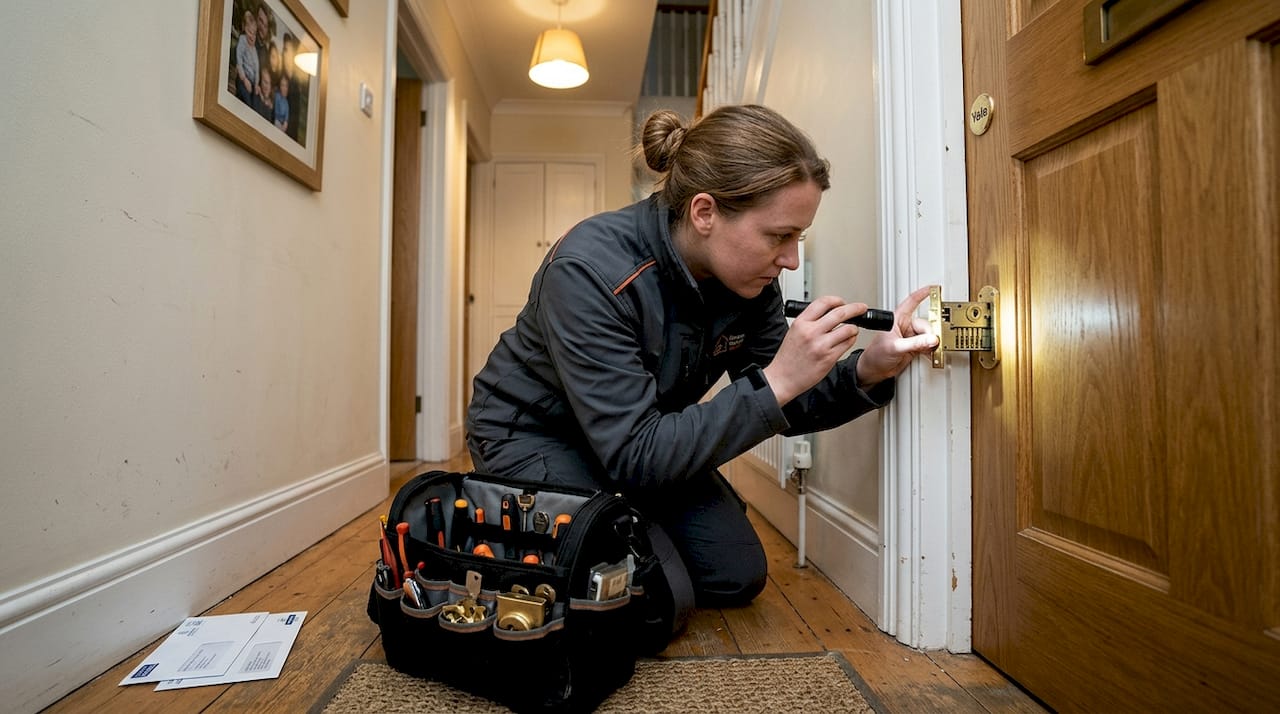
Pro Tip: Keep the paperwork that comes with your lock. It will confirm the standard it meets and can be useful if you ever need to make an insurance claim.
Learning why British Standard locks matter for your home or business is the first step towards making a genuinely informed security decision.
Five Core Advantages of British Standard Locks
With the basics clear, let’s explore the standout benefits that make British Standard locks the industry benchmark.
-
Maximum resistance to attack. BS3621 locks are built to withstand the most common break-in methods. Whether a burglar attempts to pick, drill, snap, or force the lock, a certified product is designed to hold firm. This physical robustness is what sets them apart from cheaper alternatives found in DIY stores.
-
Compliance with insurance requirements. Most UK insurers require BS3621-certified locks on all main entry points as a condition of your home or business insurance policy. Fitting non-compliant locks can mean your claim is refused, even if the break-in was not your fault.
-
A powerful deterrent for burglars. Opportunistic burglars look for easy targets. A visible kite mark signals that a property is properly secured. Properties with British Standard locks are far less attractive to would-be intruders, which means the upgrade itself acts as a preventative measure.
-
Longer lifespan and reduced replacement costs. Because BS3621 locks must meet strict manufacturing standards, they tend to last significantly longer than non-certified alternatives. You spend more upfront, but you replace them far less often. Over five to ten years, this often works out cheaper.
-
Enhanced peace of mind. Knowing your locks meet the highest certified standard gives you genuine confidence. For families, this means sleeping soundly at night. For business owners, it means protecting staff, stock, and sensitive information.
There are many reasons to upgrade door security beyond simply meeting the minimum requirement. Doing so proactively puts you in a stronger position on every front.
Pro Tip: Contact your insurer after upgrading to BS3621 locks. Many providers offer reduced premiums or improved terms once you can confirm compliant locks are fitted.
Comparing British Standard vs Non-Standard Locks
Seeing clear benefits is helpful, but context matters. Here is how British Standard locks compare to the alternatives you are likely to find in UK homes and businesses.
| Feature | British Standard (BS3621) | Non-standard lock |
|---|---|---|
| Independent certification | Yes | No |
| Insurance compliance | Yes, widely accepted | Often rejected |
| Anti-pick protection | Required | Not guaranteed |
| Anti-drill protection | Required | Rarely included |
| Minimum bolt throw | 20mm | Varies, often less |
| Average lifespan | 10 to 15 years | 3 to 7 years |
| Burglar deterrent value | High | Low to moderate |
Non-standard locks are often found on older properties, rear doors, garage side doors, and budget-fitted commercial premises. They may look similar to certified locks from the outside, but their internal components are far less robust.
Common bypass methods used against non-standard locks include:
- Lock snapping: Particularly common with cheap Euro cylinder locks
- Picking: Non-certified locks rarely include anti-pick pins
- Drilling: Without hardened steel inserts, the lock core can be destroyed in seconds
- Bumping: A technique using a specially cut key that works on many standard pin tumbler locks
As differences between lock types show, non-standard locks can void insurance claims and are far more easily bypassed. The risks of choosing non-standard options include rejected insurance claims, faster forced entry, and a false sense of security that may lead you to underestimate your vulnerability.
“A lock that looks secure and a lock that is secure are two very different things.”
Understanding lock grades for insurance purposes helps you make the right choice the first time.
When and Where Should You Upgrade to British Standard Locks?
Knowing the difference, the next decision is when to invest in an upgrade and where it matters most.
| Entry point | Priority level | Recommended lock type |
|---|---|---|
| Front door | Critical | BS3621 mortice deadlock or multipoint lock |
| Back door | High | BS3621 mortice lock or Euro cylinder with anti-snap |
| Garage side door | High | BS3621 deadlock |
| Commercial premises | Critical | BS3621 with master key system |
| Communal building doors | Medium | BS3621 or insurance-approved cylinder |
Upgrading to British Standard locks is especially critical for main entry points and any premises holding valuable assets, whether that is stock, equipment, or sensitive data.
Here are the key signs your current locks may fall short:
- Your locks are over ten years old
- You cannot find a kite mark or BS3621 stamp on the faceplate
- You have recently moved into a property and do not know the lock history
- A previous occupant or employee still holds a key
- You have experienced a break-in or attempted forced entry
- Your insurer has flagged your locks as non-compliant
For businesses, the stakes are even higher. Legal obligations around data protection and asset security mean that inadequate locks can expose you to liability beyond just theft. Certified uPVC door locks are available for modern door types, so there is no reason to compromise on compliance regardless of your door material.
If you are unsure whether your locks meet the required standard, consider booking a security consultation. A professional assessment of upgrading door locks in Bristol can identify gaps before they become costly problems.
British Standard Lock Upgrades: What to Expect and How to Choose
After determining if and where you need an upgrade, here is how to plan and successfully complete the process.
-
Initial assessment. A qualified locksmith will inspect your existing locks, door frames, and entry points. They will identify which locks need replacing and recommend the most appropriate BS3621-certified products for each door type.
-
Product selection. Your locksmith will advise on the right lock for your door material, whether that is a wooden door, uPVC, composite, or aluminium. Not every BS3621 lock suits every door, so professional guidance matters here.
-
Installation. Professional locksmiths ensure compliance and correct fitting for British Standard locks. A poorly fitted certified lock can still be compromised, so the quality of installation is just as important as the quality of the product itself.
-
Testing and handover. Once fitted, the locksmith will test the lock thoroughly and ensure you are comfortable operating it. You should receive the lock’s paperwork, any spare keys, and confirmation of the standard it meets.
-
Certificate of installation. Ask your locksmith to provide written confirmation of the work carried out and the products installed. This is useful for insurance purposes and for any future property sale.
When choosing a locksmith, always verify that they are a member of a recognised trade body such as the Master Locksmiths Association (MLA). Check for reviews, ask about guarantees, and confirm they carry appropriate insurance.
Pro Tip: Always ask for a certificate of installation when your new locks are fitted. It protects you, supports your insurance policy, and adds value to your property records.
For guidance on preventing lockouts during and after an upgrade, or advice on the shop lock upgrade process for commercial premises, a trusted local locksmith can walk you through every step.
Our Take: Why Doing it Right Matters More Than Ever
We have attended hundreds of emergency call-outs across Bristol and the surrounding areas, and one pattern stands out clearly. The vast majority of break-ins we respond to involve non-standard or poorly fitted locks. Not old locks, not broken locks. Simply locks that were never up to the job in the first place.
There is a tendency among homeowners and business owners to treat lock upgrades as a box-ticking exercise. Fit something that looks reasonable, assume it will hold, and move on. That approach creates hidden vulnerabilities that are invisible until something goes wrong.
Insurance invalidation is a real and costly consequence that we see far too often. A claim refused because the lock did not meet BS3621 is a painful lesson, and it is entirely avoidable. The benefits of lock upgrades go well beyond compliance. They represent genuine, long-term value. Investing properly in certified locks from the outset costs less over time, protects more, and gives you the kind of peace of mind that no cheap alternative can provide.
Upgrade Your Security with Expert Locksmith Services
If reading this has made you question whether your current locks are up to standard, that instinct is worth acting on. At AHLP Locksmiths, we provide professional British Standard lock upgrades across Bristol, South Gloucestershire, and Gloucester. Our trusted locksmith services cover everything from initial assessment to certified installation, with transparent pricing and no call-out fees. Whether you need a single lock replaced or a full security review, we are ready to help. Browse our lock replacement guide to understand your options, or contact our team today to arrange a visit. Call us on 07700 100146 and let us help you secure what matters most.
Frequently Asked Questions
How can I tell if my lock is British Standard certified?
Look for the kite mark and BS3621 stamp on the faceplate of your lock. If neither is present, the lock is unlikely to meet the required standard.
Will upgrading to British Standard locks lower my insurance premium?
Most UK insurers offer discounts or improved policy terms when your locks are BS3621 certified. It is worth contacting your provider after upgrading to confirm any savings available to you.
Are British Standard locks suitable for both homes and businesses?
Yes. BS3621 locks are recommended for domestic and commercial entry points alike, and are considered best practice across all property types in the UK.
What is the main difference between a British Standard lock and a regular lock?
British Standard locks offer higher certified protection because they must pass independent testing for durability, resistance, and construction quality. Regular locks carry no such requirement.
How often should I consider upgrading my locks?
Old or compromised locks leave your property vulnerable. Upgrade if your locks are over ten years old, if key control has been lost, or following any break-in or attempted forced entry.