
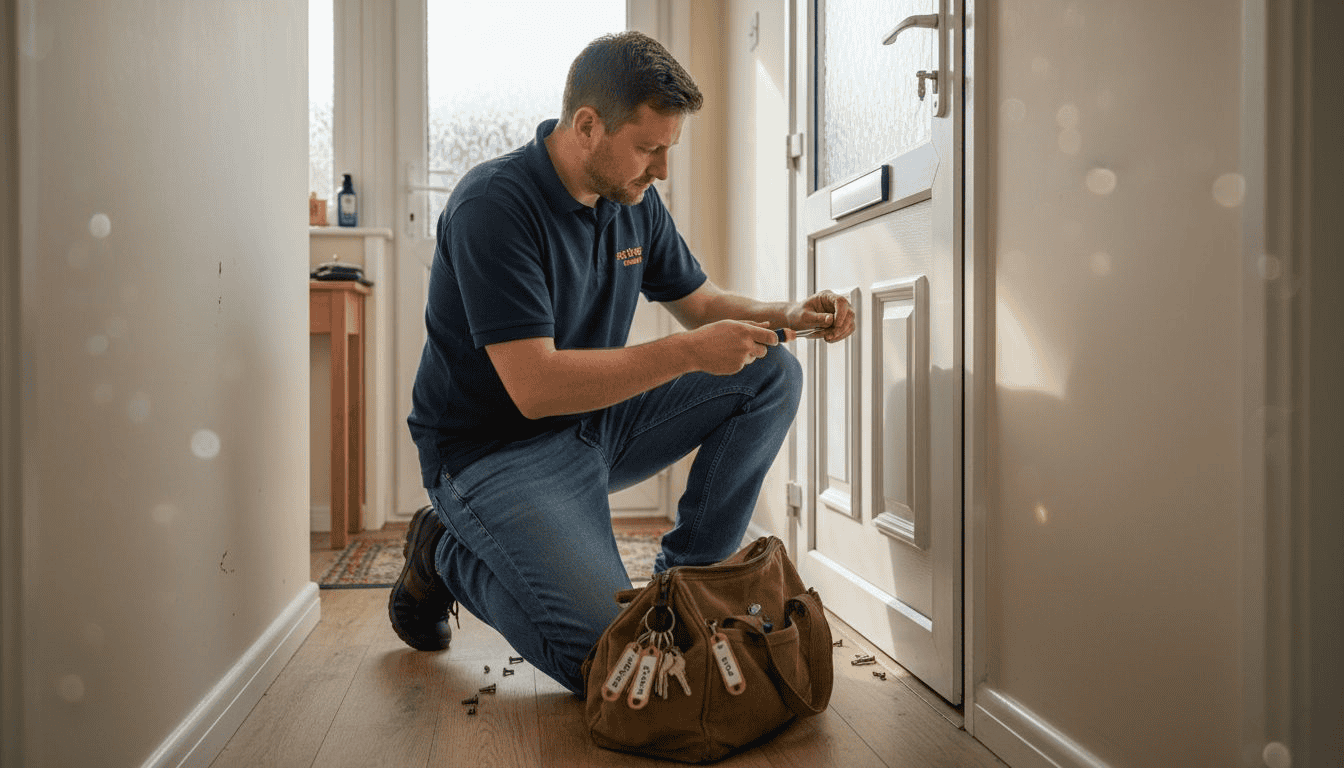
Faulty UPVC locks leave your Bristol home vulnerable to break-ins and can invalidate your insurance policy if they don’t meet British Standard requirements. Many homeowners struggle with worn mechanisms, stiff keys, or locks that fail completely at the worst possible moment. This guide walks you through the proper replacement workflow to restore security, ensure compliance, and protect your family with confidence.
Table of Contents
- Introduction To Upvc Lock Replacement
- Prerequisites And Hardware Requirements
- Step-by-step Replacement Workflow
- Common Mistakes And Troubleshooting
- Expected Outcomes And Post-replacement Maintenance
- Trusted Upvc Lock Replacement Services In Bristol And South Gloucestershire
- Frequently Asked Questions
Key takeaways
| Point | Details |
|---|---|
| Proper workflow reduces failure | Following correct replacement steps cuts lock failure risks significantly and ensures long-term reliability |
| British Standard compliance essential | BS 3621 locks validate your home insurance and provide superior security |
| Professional installation prevents damage | Expert replacement avoids common DIY errors that warp doors or crack frames |
| Multi-point locks enhance protection | Advanced locking systems offer up to 80% better resistance against forced entry |
| Post-installation maintenance extends lifespan | Regular lubrication and mechanism checks keep your new lock functioning smoothly for years |
Introduction to UPVC lock replacement
UPVC door locks endure thousands of operations every year. Keys turn, mechanisms engage, and weather exposure gradually degrades internal components. Eventually, springs weaken, cylinders stick, and multi-point systems misalign. When your lock starts showing resistance or fails to engage properly, it’s signalling the need for replacement before a complete breakdown leaves you locked out or worse, vulnerable to intrusion.
Insurance companies require specific security standards to keep your policy valid. Non-BS approved locks increase lock failure rate by up to 50% within 24 months, creating both security gaps and potential claim rejections. Installing British Standard lock compliance hardware isn’t just about meeting paperwork requirements. These locks undergo rigorous testing for pick resistance, drill resistance, and structural integrity that budget alternatives simply can’t match.
DIY replacement attempts often cause unintended damage. Homeowners force stuck mechanisms, strip screw heads, or crack door frames trying to extract old hardware. Professional locksmiths understand UPVC door mechanics and use techniques that preserve your door’s integrity whilst ensuring the new lock aligns perfectly with existing strike plates and keeps.
Modern UPVC doors typically feature multi-point locking mechanisms that engage hooks, bolts, and deadbolts simultaneously when you lift the handle. This distributed locking creates multiple failure points for potential intruders, making forced entry significantly harder than single-point systems. Understanding this complexity helps you appreciate why proper replacement workflow matters so much for maintaining your home’s defensive barrier.
Pro Tip: Before purchasing replacement hardware, photograph your existing lock mechanism from multiple angles. These images help locksmiths identify the exact make and model, ensuring you get compatible parts that fit perfectly without modifications.
“Your UPVC lock is the primary barrier between your family and unwanted visitors. Choosing insurance-approved lock standards transforms a simple door into a certified security system.”
Prerequisites and hardware requirements
Successful UPVC lock replacement begins with gathering the right tools before you start. You’ll need:
- Phillips and flathead screwdrivers in various sizes
- Cordless drill with appropriate bits
- Needle-nose pliers for handling small components
- PTFE-based lock lubricant (never use oil-based products)
- Measuring tape for verifying dimensions
- Replacement lock meeting British Standard BS 3621 requirements
Hardware specifications matter enormously. Using BS 3621 compliant locks is essential for home insurance policy validity, and choosing the wrong replacement can void your coverage entirely. British Standard locks feature anti-drill plates, hardened steel inserts, and pick-resistant pin configurations that budget cylinders lack. These features aren’t marketing fluff; they’re measurable security improvements that insurers recognise and require.
Pro Tip: Contact your insurance provider before purchasing replacement hardware. Some insurers maintain approved product lists or require specific certification levels beyond basic BS 3621, particularly for high-value properties or areas with elevated burglary rates.
| Tool/Component | Purpose | Specification |
|---|---|---|
| Lock cylinder | Core security component | BS 3621 certified, anti-snap |
| Multi-point mechanism | Engages multiple locking points | Compatible with existing keep |
| Fixing screws | Secures lock to door | Stainless steel, correct length |
| Lubricant | Ensures smooth operation | PTFE-based, weatherproof |
Local insurance requirements vary across Bristol and South Gloucestershire. Some areas designated as higher risk may require additional security features such as anti-snap cylinders or specific kite mark certifications. Checking these details beforehand prevents expensive do-overs when your insurer rejects non-compliant hardware during a claim assessment.
Understanding your door’s mechanism type streamlines the replacement process. UPVC doors use either gearbox mechanisms (most common), shootbolt systems, or hook-lock configurations. Each type requires different removal and installation techniques. Familiarise yourself with your specific system by examining how the handle, cylinder, and locking points interact when the door closes and locks. This knowledge helps you recognise potential issues during installation and verify proper function afterwards.
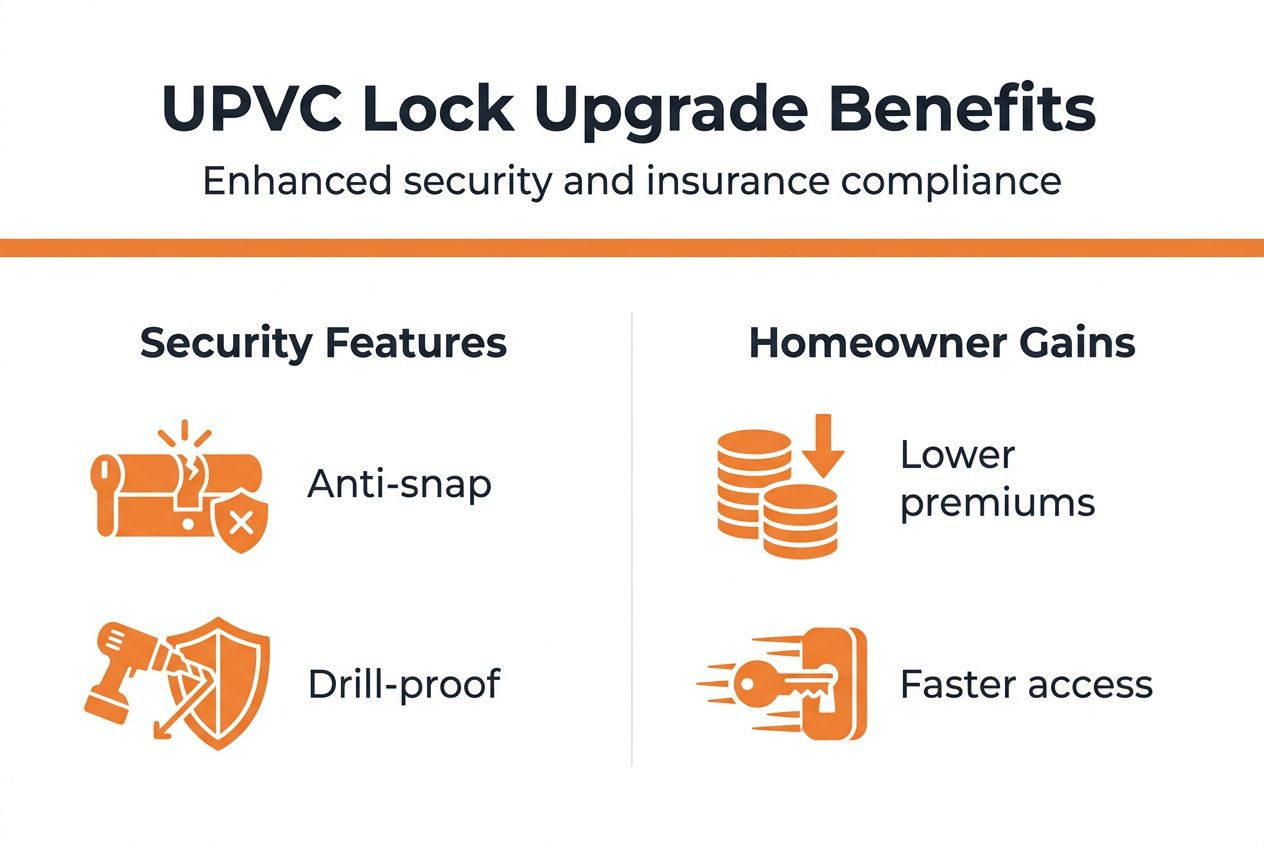
Consider lock upgrade benefits when selecting replacement hardware. Anti-snap cylinders feature deliberately weakened sections that break away under attack whilst keeping the locking mechanism secure. This sacrificial design prevents the snap-and-turn technique that burglars commonly use to defeat standard cylinders in under 30 seconds.
Step-by-step replacement workflow
Proper removal prevents unnecessary damage and makes installation smoother. Start by opening your door fully and locating all securing screws. Most UPVC locks use screws accessible from the door edge once you remove the handle. Don’t force anything; if a screw won’t turn easily, apply penetrating lubricant and wait 10 minutes before trying again.
- Remove the door handle by unscrewing the fixing bolts from the door edge. Keep these screws organised; you’ll reuse them during reassembly.
- Extract the lock cylinder by removing the retaining screw located on the door edge at cylinder height. Gently wiggle the cylinder whilst pulling to disengage it from the cam mechanism.
- Carefully withdraw the multi-point mechanism by removing all edge screws. Support the mechanism as you extract it to prevent dropping and damaging internal components.
- Install your new British Standard multi-point mechanism by reversing the removal process. Ensure all locking points align with their corresponding keeps in the door frame before tightening screws.
- Insert the new lock cylinder, verifying that the cam engages properly with the gearbox. Secure with the retaining screw, being careful not to overtighten and crack the cylinder housing.
- Reattach the handle, test all locking points by lifting the handle and turning the key. Each bolt, hook, and deadbolt should engage smoothly without excessive force.
- Apply PTFE lubricant to all moving parts, including the cylinder keyway, handle mechanism, and locking point pivots.
Professional lock replacement takes between 30-60 minutes and minimises disruption, but DIY attempts often take considerably longer when complications arise. The difference between professional and amateur lock replacement steps isn’t just speed; it’s the ability to diagnose and correct issues during installation before they become security vulnerabilities.
Pro Tip: When inserting the new cylinder, test it in both locked and unlocked positions before securing the retaining screw. This verification step catches misalignment issues whilst adjustment remains easy.
| Lock Type | Installation Complexity | Security Rating | Recommended Use |
|---|---|---|---|
| Single-point | Low | Basic | Internal doors only |
| Multi-point standard | Moderate | Good | Standard external doors |
| Multi-point anti-snap | Moderate-High | Excellent | All external access points |
Multi-point locks require precise alignment between door-mounted locking points and frame-mounted keeps. Even 2mm of misalignment can prevent proper engagement, leaving your door effectively unsecured despite appearing locked. Check each locking point individually by closing the door slowly and observing where hooks and bolts meet their keeps. Adjust striker plates if necessary to achieve perfect alignment.
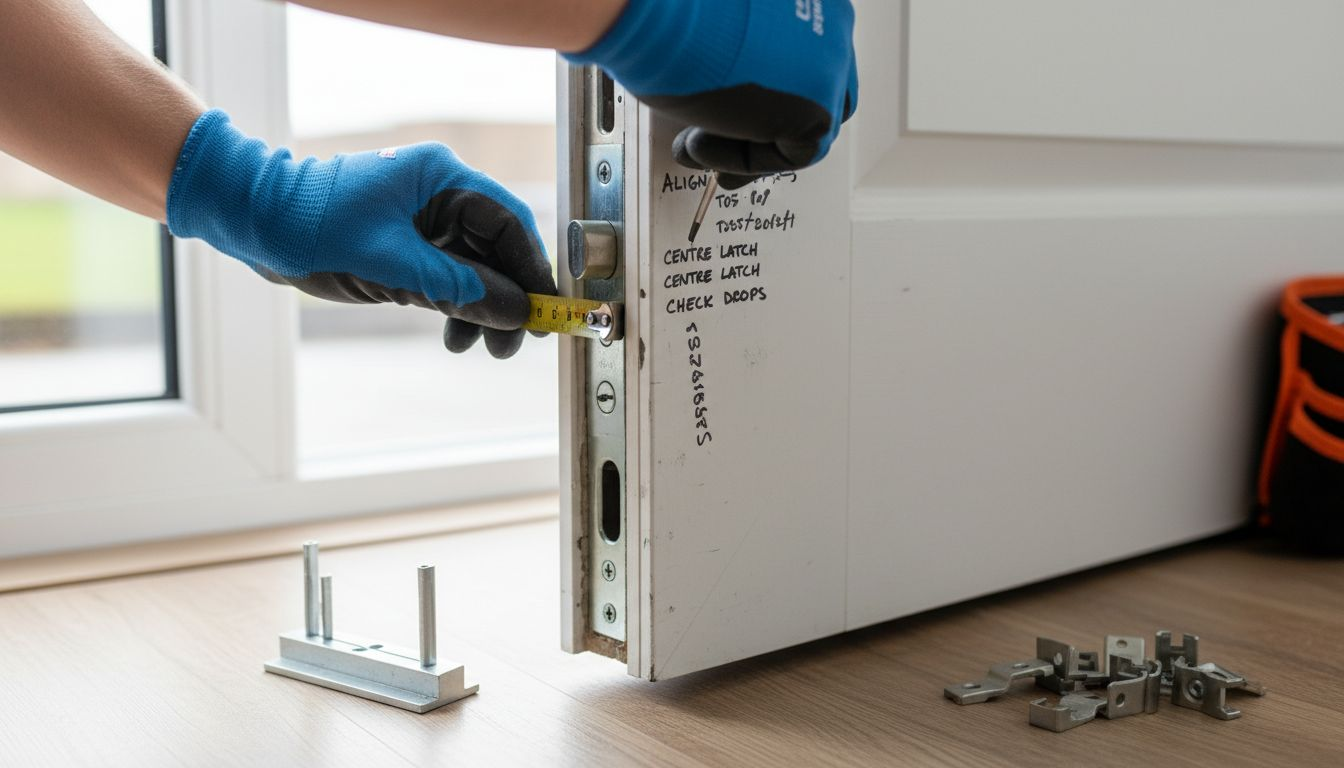
The lock repair workflow emphasises testing under various conditions. Lock and unlock from both inside and outside. Lift the handle firmly and gently. Turn the key slowly and quickly. These varied tests reveal issues that might not appear during cursory checks but could cause failures when you need security most.
Common mistakes and troubleshooting
Forcing components during removal ranks as the most damaging error homeowners make. Forcing lock removal causes door damage in about 30% of DIY attempts, leaving you with both a security problem and expensive door repairs. If a component won’t budge after removing all visible fasteners, there’s likely a hidden screw or mechanism you’ve missed. Stop, reassess, and research your specific lock model before proceeding.
Installing non-British Standard locks creates multiple problems:
- Insurance companies may refuse burglary claims if locks don’t meet specified standards
- Inferior materials fail faster, requiring replacement again within months
- Reduced pick and drill resistance makes your home an easier target
- Potential liability issues if inadequate security contributes to incidents
Ignoring the door mechanism’s overall condition wastes the replacement opportunity. A new lock installed into a failing gearbox or misaligned frame will develop problems quickly. Inspect the entire mechanism during replacement. Check for worn gears, damaged keeps, and frame alignment. Address these issues simultaneously to ensure your new lock functions optimally.
Overtightening screws seems helpful but actually causes problems. Excessive torque cracks plastic housings, warps metal plates, and creates stress points that fail prematurely. Tighten screws until snug, then add just a quarter turn. If you’re compressing plastic or deforming metal, you’ve gone too far.
When your newly installed lock doesn’t function smoothly, check these common issues:
- Key turns but mechanism doesn’t engage: Cylinder cam may not align with gearbox receiver. Remove and reposition the cylinder.
- Handle lifts but locking points don’t extend: Gearbox failure or misalignment. Verify mechanism installation and keep positioning.
- Lock engages but requires excessive force: Misaligned keeps or insufficient lubrication. Adjust striker plates and apply PTFE lubricant.
- Key difficult to insert or turn: Cylinder not seated properly or internal damage. Verify cylinder alignment and check for debris in keyway.
UPVC lock troubleshooting often reveals that what seems like a lock failure is actually a door alignment problem. UPVC doors can drop slightly over time, causing locking points to miss their keeps. Before replacing hardware, check whether adjusting hinges resolves the issue.
Failing to test thoroughly before considering the job complete leads to inconvenient discoveries later. Lock and unlock at least 10 times from both sides. Apply firm upward pressure on the handle whilst locked to verify all points engaged securely. These tests take minutes but prevent security gaps that might not become apparent until someone tests your door’s resistance less politely.
Expected outcomes and post-replacement maintenance
Professional UPVC lock replacement typically completes within 30 to 60 minutes, depending on mechanism complexity and any unexpected complications. This timeframe includes removal, installation, testing, and adjustment to ensure perfect operation. DIY attempts often extend to several hours as homeowners troubleshoot issues without professional experience to guide quick solutions.
Cost considerations help you budget appropriately for quality security:
| Service Component | Typical Bristol Cost | Notes |
|---|---|---|
| Standard cylinder replacement | £80-£120 | Includes BS 3621 cylinder |
| Multi-point mechanism replacement | £120-£200 | Full mechanism with labour |
| Anti-snap upgrade | Add £30-£50 | Premium cylinder only |
| Emergency callout | No fee | AHLP transparent pricing |
Security improvements from proper lock replacement are substantial. Multi-point locks reduce forced entry risk by up to 80% compared to single-point locks, and British Standard certified cylinders resist picking and drilling attempts that defeat standard hardware in seconds. These aren’t minor upgrades; they’re transformative changes to your home’s defensive capability.
Maintaining your new lock extends its operational lifespan significantly. Every six months, apply PTFE-based lubricant to the cylinder keyway and all moving parts of the multi-point mechanism. Avoid oil-based products that attract dirt and eventually gum up mechanisms. Clean the exterior with a damp cloth; harsh chemicals can degrade plastic components and finishes.
Periodic function checks catch developing issues before they become failures. Once quarterly, test that all locking points engage fully and the key turns smoothly through its complete range. Listen for unusual sounds; grinding or clicking often indicates worn components that need attention. Address small problems immediately rather than waiting for complete failure.
Insurance confirmation completes the replacement process properly. Contact your insurer to confirm that your new British Standard locks meet their requirements and update your policy documentation if necessary. Some insurers offer premium discounts for upgraded security features, so this conversation might actually reduce your ongoing costs whilst improving protection.
The security benefits of multi-point locks extend beyond just deterring burglars. Insurance companies recognise these security improvements and often adjust premiums accordingly. More importantly, you gain genuine peace of mind knowing your family and possessions benefit from certified protection that meets rigorous testing standards.
Trusted UPVC lock replacement services in Bristol and South Gloucestershire
When you need reliable UPVC lock replacement that guarantees security and insurance compliance, AHLP Locksmiths delivers professional service across Bristol and South Gloucestershire. Our certified locksmiths specialise in trusted locksmith services using exclusively British Standard and insurance-approved hardware that protects your home and validates your policy.
We handle every replacement with care, using non-destructive techniques that preserve your door’s integrity whilst upgrading your security. Whether you’re dealing with a failed mechanism, upgrading to anti-snap cylinders, or ensuring compliance after an insurance review, our transparent pricing and fast response times mean you’re never left vulnerable.
Available 24/7 for emergencies with no call-out fees, AHLP focuses on what matters most: your safety and peace of mind. Our lock replacement guide 2026 shows our commitment to keeping Bristol homes secure with current best practices. Call 07700 100146 or visit ahlp.co.uk to arrange a consultation and discover how professional lock replacement transforms your home security.
Frequently asked questions
How long does professional UPVC lock replacement actually take?
Most professional replacements complete within 30 to 60 minutes, including removal of old hardware, installation of new British Standard components, and thorough testing of all locking points. Complex mechanisms or unexpected complications might extend this timeframe slightly, but experienced locksmiths work efficiently to minimise disruption to your day.
Can I replace my UPVC lock myself to save money?
Whilst technically possible, DIY replacement carries significant risks including door damage, improper installation that compromises security, and potential insurance complications if non-compliant hardware is used. Professional installation ensures correct alignment, proper function, and verified compliance with British Standard requirements that protect both your home and insurance validity.
Why do insurance companies require British Standard locks?
BS 3621 certified locks undergo rigorous testing for pick resistance, drill resistance, and structural integrity that standard locks don’t meet. Insurance companies require these standards because they demonstrably reduce successful break-in rates, lowering claim frequency. Installing non-compliant locks can void your policy, leaving you financially exposed after a burglary.
How often should UPVC locks be replaced?
Quality British Standard locks typically last 8 to 12 years with proper maintenance, but replacement becomes necessary sooner if you notice stiffness, difficulty turning keys, or visible wear. Regular lubrication and periodic inspections extend lifespan significantly. Replace immediately if keys are lost or stolen, or after any attempted break-in regardless of lock age.
What makes anti-snap cylinders worth the extra cost?
Anti-snap cylinders feature sacrificial break points that separate under attack whilst keeping the locking mechanism secure. Standard cylinders can be snapped and turned to unlock doors in under 30 seconds, a technique widely known among burglars. The modest additional cost provides substantial protection against this common attack method, making anti-snap cylinders essential for external doors.